


Egypt has intensified diplomatic efforts to advance the implementation of the next phase of the Gaza ceasefire agreement, according to Egyptian sources familiar with the negotiations.
Officials said Cairo is conducting extensive consultations with parties involved in the ceasefire process to ensure progress on commitments made under previous understandings reached between mediators and Palestinian factions.
The renewed diplomatic activity reflects Egypt’s continued role as a key mediator in efforts aimed at maintaining stability and reducing tensions in the Gaza Strip.
According to information released through Egyptian media, Cairo is engaged in ongoing discussions focused on implementing the provisions of the agreement’s second phase. Sources indicated that preparations are also underway for a new meeting involving mediators in the Egyptian capital.
The planned gathering is expected to focus on reaffirming commitments made by all parties and reviewing steps needed to move the agreement forward.
Egyptian officials believe continued dialogue is essential to preserving the ceasefire and creating conditions for longer-term stability in the region.
Sources said Palestinian factions, including Hamas, have responded positively to mediation efforts led by Egypt and other international partners.
They expressed hope that successful implementation of the agreement could help create an environment that supports reconstruction and recovery projects throughout Gaza.
The latest diplomatic activity follows recent announcements regarding progress in ceasefire negotiations.
Mediators reported that discussions had produced understandings aimed at advancing the next stage of the agreement. According to those reports, Hamas approved a detailed roadmap connected to the implementation process.
At the time of the announcement, no official response had been publicly issued by the Israeli government regarding the proposed framework.
Hamas stated that it and other Palestinian factions had approached the negotiations in a constructive manner. The group said it had engaged positively with proposals presented by mediators during discussions on the second phase of the agreement.
The organization emphasized that the success of future implementation depends on continued commitments from all parties involved.
According to Hamas, halting military operations and reducing violence remain important elements for advancing the next stage of the ceasefire process.
The group also stated that implementation of the second phase depends on the fulfillment of commitments associated with the agreement’s first phase.
Issues related to security arrangements and heavy weapons remain part of ongoing discussions.
Hamas indicated that further progress on these matters would require several conditions, including an end to military operations, the withdrawal of Israeli forces from Gaza, the start of recovery and reconstruction efforts, and the deployment of agreed administrative and international mechanisms.
The group also called for measures that would support Palestinian self-governance and future political arrangements.
The ceasefire negotiations continue against the backdrop of broader discussions about Gaza’s future administration, reconstruction, and security structure.
Regional and international mediators have repeatedly emphasized the importance of maintaining dialogue to prevent renewed escalation and to support humanitarian efforts.
Egypt has played a central role in mediation efforts throughout the conflict, frequently hosting negotiations involving Palestinian representatives, Israeli officials, and international partners.
Diplomatic observers note that Cairo’s geographic position and longstanding relationships with key parties make it an important participant in ceasefire and reconciliation initiatives.
The current ceasefire agreement first took effect in October 2025. The arrangement included provisions for a cessation of hostilities, exchanges involving hostages and prisoners, and expanded humanitarian assistance for civilians in Gaza.
Since then, both sides have raised concerns regarding implementation and compliance with various parts of the agreement.
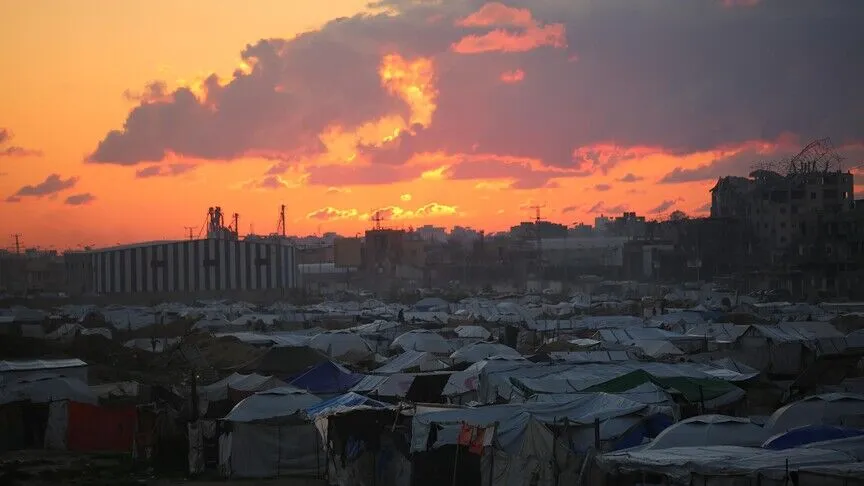
Humanitarian organizations continue to stress the need for sustained aid deliveries and reconstruction support as Gaza faces extensive infrastructure damage and ongoing humanitarian challenges.
International agencies have repeatedly called for increased assistance to address housing, healthcare, water, and energy needs across the territory.
As diplomatic efforts continue, mediators remain focused on securing commitments that can support the next phase of the ceasefire framework.
Officials hope that successful implementation of the agreement will help reduce tensions, improve humanitarian conditions, and create opportunities for longer-term recovery and stability in Gaza.
The planned meetings in Cairo are expected to provide another opportunity for negotiators to address outstanding issues and advance discussions on the future of the ceasefire process.
