


Israeli military strikes in Gaza killed at least four people on Thursday as Hamas leaders continued negotiations in Cairo aimed at advancing the next phase of a ceasefire and peace framework.
Medical officials in Gaza reported casualties in several areas of the enclave. The incidents occurred while mediators from Egypt, Qatar, and Turkey met with Hamas representatives to discuss the implementation of a broader peace plan supported by international partners.
According to local medics, one strike hit a tent area in Khan Younis in southern Gaza. The attack killed a man and an eight-year-old girl. Several other people were reported to be nearby when the strike occurred.
In central Gaza, another strike targeted an area near the Bureij refugee camp. Medical workers said an 18-month-old child was killed and at least eight people were injured. Emergency teams responded to the scene and transported the wounded for treatment.
Later in the day, a separate strike near a tent camp for displaced people in Gaza City reportedly killed a Palestinian man who was riding a bicycle. Medics said ten other people were wounded in the incident.
The Israel Defense Forces said the operations targeted Hamas militants. Military officials did not immediately release further details regarding the specific targets or intelligence behind the strikes.
The latest incidents occurred during a period of continued diplomatic activity focused on reducing violence and addressing the humanitarian situation in Gaza.
In Cairo, Hamas leaders met with mediators to discuss the second phase of a proposed peace plan. The discussions involve Egypt, Qatar, and Turkey, which have played key roles in previous negotiations between the parties.
The proposed framework includes several major elements. These include increased humanitarian aid deliveries, arrangements for civil administration, discussions about weapons held by Hamas, and the withdrawal of Israeli forces from Gaza. The plan also envisions an international security presence that could help maintain stability if an agreement is reached.
Negotiators have described the talks as complex. While discussions have continued for months, significant differences remain between the sides on several key issues.
On Thursday, a Hamas representative offered cautious optimism about the negotiations. The official indicated that discussions were moving forward but did not provide details on whether an agreement had been reached on the issue of disarmament.
The question of weapons remains one of the most difficult parts of the negotiations. Israel has repeatedly called for the complete demilitarization of Hamas as part of any long-term arrangement.
Hamas has stated that it wants guarantees that military operations in Gaza will end and that Israeli forces will withdraw from the territory. Sources familiar with the discussions have suggested that Hamas may be open to placing certain heavy weapons under Palestinian authority supervision, although no official agreement has been announced.
There has been no public confirmation regarding how other categories of weapons would be addressed. Negotiators have not disclosed whether compromise proposals are being considered.
Officials involved in the mediation effort have remained cautious in their public statements. No major breakthrough has been announced, and representatives from the parties involved have continued to stress that discussions are ongoing.
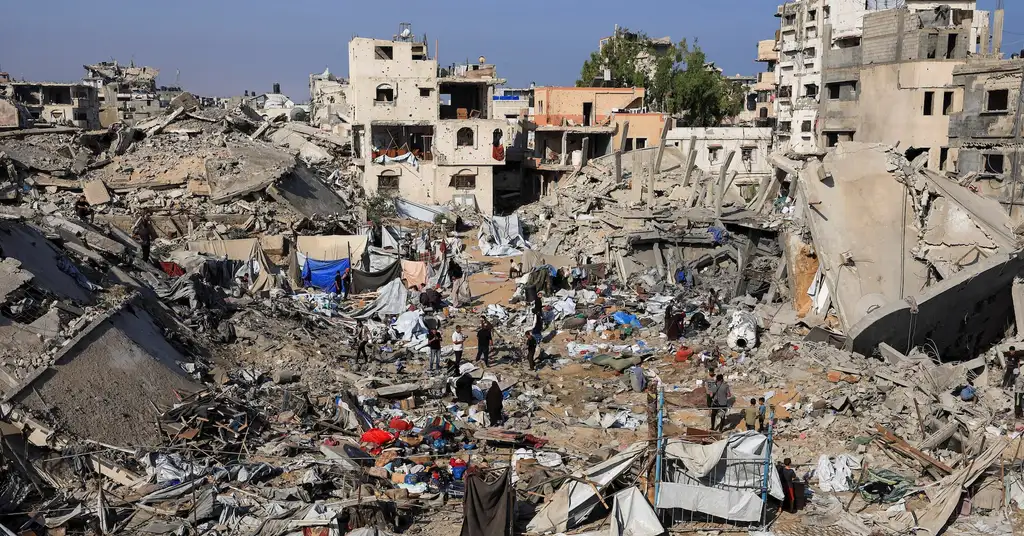
The humanitarian situation in Gaza remains a central concern during the talks. More than two million people live in the territory, many of them in temporary shelters, tent camps, or damaged buildings.
Humanitarian organizations have repeatedly warned about shortages of essential supplies, limited access to services, and difficult living conditions for civilians. Aid agencies continue to call for expanded humanitarian access and additional support for affected communities.
The conflict has caused widespread destruction across Gaza and has displaced large numbers of residents. Infrastructure, housing, and public services have been heavily affected in many areas.
Despite continued diplomatic efforts, tensions remain high. The latest strikes underscore the challenges facing negotiators as they work toward a broader agreement.
Mediators from Egypt, Qatar, and Turkey are expected to continue discussions in the coming days. Their goal is to narrow differences between the parties and advance the next stage of the peace framework.
For now, no final agreement has been announced. While talks continue in Cairo, the situation on the ground remains fragile, and humanitarian concerns remain a major focus for regional and international observers.
