


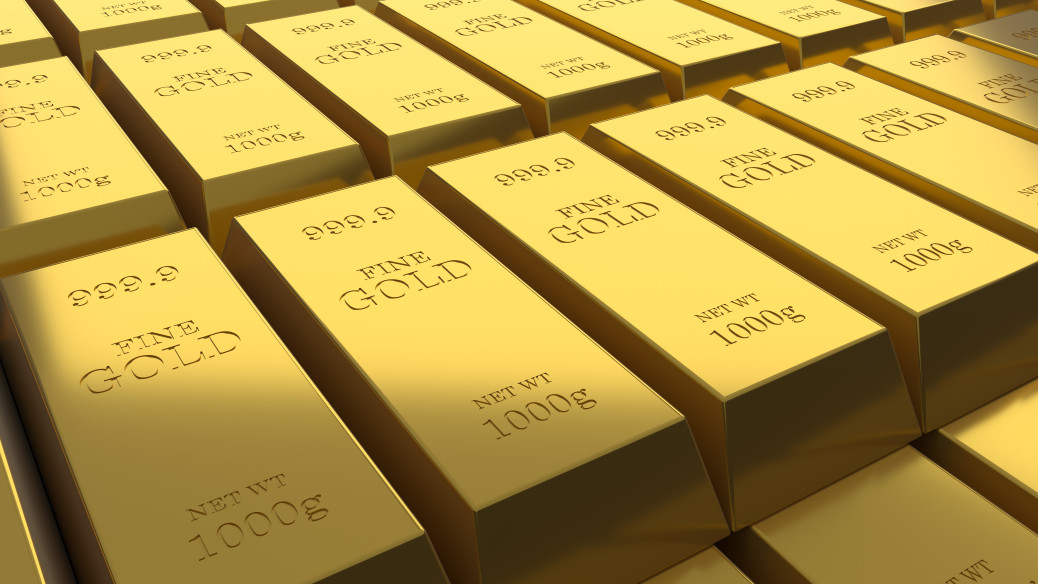
Egypt’s gold market recorded stronger demand during the past week as money released from maturing high-yield bank savings certificates entered the precious metals market. A new market report said the additional liquidity, combined with seasonal buying, helped lift local gold prices and supported consumer demand.
The Egypt Gold Market Demand report also showed a sharp increase in the country’s gold imports during the first half of 2026. The rise reflects growing interest in gold as both a savings option and a consumer product while economic uncertainty continues to influence investment decisions.
According to the market report, the price of 21-karat gold increased by 3% over the past week. The price opened at EGP 5,805 per gram and closed at EGP 5,980 per gram after reaching a monthly high of EGP 6,010.
Market analysts said gold moved above the important EGP 5,900 resistance level after holding above EGP 5,800 for several trading sessions. However, buying activity slowed as prices approached the EGP 6,000 mark, which remains an important psychological level for traders.
The recent increase has returned 21-karat gold to positive performance for the year. Prices are now about EGP 150 per gram higher than at the start of 2026, representing a gain of roughly 2.5%. Earlier in the year, gold had lost those gains during a period of falling international prices linked to geopolitical developments.
While Egypt’s gold market strengthened, global gold prices have followed a different path. International gold prices remain about 6.2% lower than they were at the beginning of the year. Analysts said the stronger performance in Egypt mainly reflects changes in the local exchange rate rather than international price movements alone.
The report noted that the US dollar gained around 1.6% against the Egyptian pound during the past week, closing at EGP 51.40. Since the beginning of July, the dollar has risen by about 4.3% against the local currency.
Analysts said the Egyptian pound weakened after regional tensions increased and investor confidence declined. The report estimated that about $1.92 billion in foreign investment left Egypt’s debt market over two weeks, adding pressure on the local currency.
The weaker pound has made gold more expensive in the domestic market because international gold is priced in US dollars. As a result, local prices have continued to rise even while global prices remain below earlier levels.
The report also found that the difference between local gold prices and their estimated fair value widened again. Analysts said this reflects stronger demand compared with available supply in the local market.
Several factors have contributed to higher demand. Lower prices earlier in the year encouraged many buyers to return to the market. Summer holiday spending and purchases by Egyptians returning from abroad also supported sales.
Another important factor was the maturity of several high-yield bank savings certificates. As those certificates reached the end of their terms, some investors moved their money into gold instead of renewing bank deposits. Analysts said this shift added fresh liquidity to the domestic gold market.
Gold imports also recorded exceptional growth during the first six months of 2026. Egypt imported $4.05 billion worth of gold during the period, compared with $249.6 million during the same period in 2025.
The report said gold became Egypt’s largest non-petroleum import, accounting for 8.4% of all non-oil imports during the first half of the year. Analysts said the increase reflects stronger domestic demand for jewelry, investment products, and gold used in manufacturing and reprocessing.
International markets also supported gold during the week. Spot gold recorded its first weekly gain after two consecutive weeks of losses. Prices rose from $3,995 per ounce at the start of the week to a high of $4,166 before ending at $4,052 per ounce.
The report said rising geopolitical tensions helped increase demand for safe-haven assets. Crude oil prices climbed sharply above $100 per barrel, raising concerns about inflation and keeping expectations for higher interest rates in focus.
A stronger US dollar and higher Treasury yields usually reduce demand for gold because the metal does not pay interest. However, analysts said ongoing geopolitical uncertainty continued to support investor interest despite those market pressures.
The Egypt Gold Market Demand report suggests that local buying remains strong as investors seek stable assets. Market observers expect domestic gold prices to continue responding to changes in global markets, currency movements, and consumer demand in the months ahead.
