


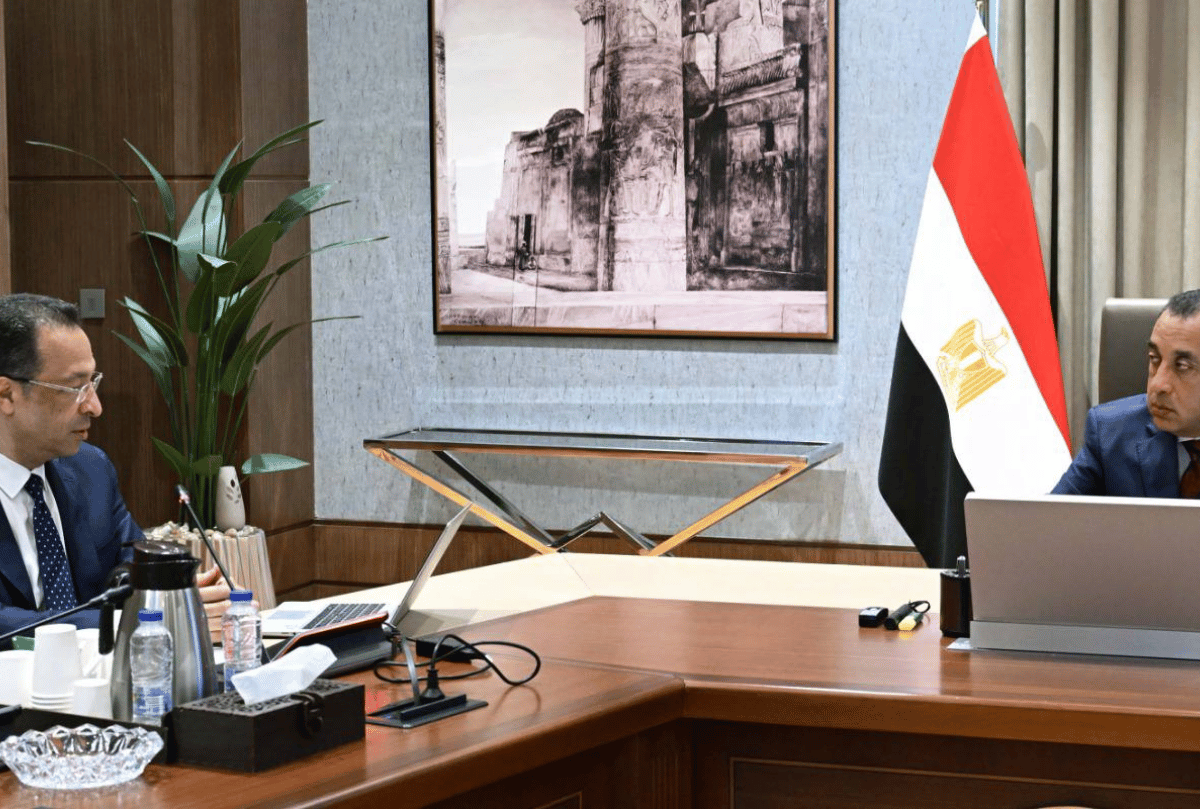
Egypt has invested more than $6 billion in its telecom sector since 2019 as part of a major push to expand digital infrastructure and improve nationwide connectivity. The update was reviewed during discussions between Prime Minister Mostafa Madbouli and Minister of Communications and Information Technology Raafat Hindi.
Officials said the investment is focused on building a stronger digital economy. The plan includes faster internet, wider mobile coverage, and improved telecom services across urban and rural areas.
A large part of the spending has gone into upgrading fixed and mobile internet networks. This includes expanding fibre-optic cables across the country to support faster and more stable connections for users.
The Egypt telecom investment also includes preparations for 5G services. Authorities say the rollout of next-generation mobile technology is a key step in modernising communication systems and supporting future digital growth.
Government officials have also expanded telecom coverage by building new infrastructure. This includes installing towers in areas that previously had weak or no signal coverage.
Plans are now in place to add around 3,000 new telecom towers within the current year. Over the next three years, more than 9,000 additional towers are expected to be built as part of long-term expansion efforts.
These upgrades are designed to improve both mobile and internet access across the country. Officials say the goal is to reduce connectivity gaps and ensure more consistent service for users.
Another major part of the programme involves spectrum allocation. Authorities recently approved about $3.5 billion worth of spectrum rights for Egypt’s four main telecom operators.
This move is expected to help companies expand their networks and improve service quality. It also allows operators to handle increasing data demand from users across the country.
The government says these investments are part of a wider plan to transform Egypt into a regional digital hub. This includes strengthening infrastructure for data centres and cloud computing services.
Artificial intelligence systems are also part of the long-term strategy. Officials believe AI development will depend on strong digital networks and reliable data infrastructure.
The telecom expansion is seen as a foundation for future economic growth. Better connectivity is expected to support businesses, education, and government services across the country.
Officials say digital transformation is now a national priority. Investments in telecom infrastructure are intended to support innovation and attract more international technology partnerships.
The programme is also aimed at improving competitiveness in the global digital economy. By upgrading networks and expanding coverage, Egypt hopes to position itself as a key technology player in the region.
Work on the infrastructure projects is ongoing. Authorities say progress will continue over the next several years as new towers are built and networks are upgraded.
As the Egypt telecom investment programme expands, officials say citizens should expect improved internet speed, better mobile coverage, and more reliable digital services in the coming years. The initiative marks one of the country’s largest long-term investments in its technology sector to date.
