


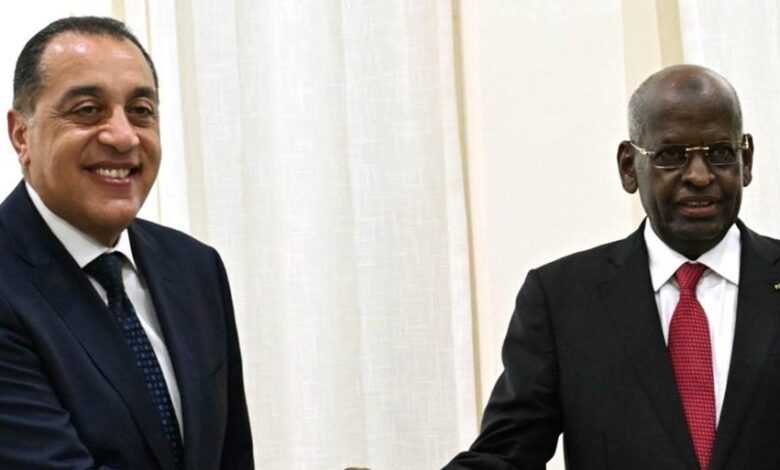
The Djibouti presidential inauguration drew regional attention as senior leaders gathered in the capital to mark the swearing-in of President Ismail Omar Guelleh. The ceremony highlighted growing diplomatic engagement in the Horn of Africa and reinforced political ties between Djibouti and Egypt.
Egypt’s Prime Minister Mostafa Madbouly arrived in Djibouti on Saturday, May 9, 2026, representing President Abdel Fattah al-Sisi at the official ceremony. His visit reflects Egypt’s continued effort to strengthen diplomatic relations with African partners and maintain active participation in regional political events.
The inauguration of President Ismail Omar Guelleh was held in Djibouti City, where regional leaders and international representatives attended the event. The ceremony marked another term for Guelleh, who has played a long-standing role in the country’s political leadership. Djibouti remains strategically important due to its location near key global shipping routes.
Upon arrival at Djibouti-Ambouli International Airport, Prime Minister Madbouly was welcomed by Djibouti’s Prime Minister Abdoulkader Kamil Mohamed. Egypt’s Ambassador to Djibouti, Abdel Rahman Raafat, was also present at the reception. The official welcome highlighted the diplomatic importance of the visit and the strong protocol arrangements surrounding the event.
According to statements from Egypt’s Cabinet spokesperson Mohammed al-Homsani, the country’s participation in the inauguration reflects deep and long-standing relations between Egypt and Djibouti. He emphasized that the visit demonstrates Egypt’s commitment to strengthening cooperation with Djibouti across multiple sectors, including politics, economy, and development.
The relationship between Egypt and Djibouti has grown steadily in recent years. Both countries have focused on expanding cooperation in trade, infrastructure, and maritime security. Djibouti’s strategic location along key shipping lanes makes it an important partner for regional stability and international trade routes. Egypt views the partnership as part of its broader engagement strategy in Africa.
High-level attendance at the inauguration also signals regional unity and diplomatic coordination in the Horn of Africa. Countries in the region often collaborate on security issues, including maritime safety and counterterrorism efforts. Djibouti plays a key role in hosting international military and logistical facilities due to its strategic position.
The visit by Prime Minister Madbouly underscores Egypt’s interest in maintaining strong ties with African nations. Diplomatic analysts say such engagements help reinforce Egypt’s influence in regional affairs. They also provide opportunities for cooperation on development projects and investment initiatives.
Djibouti’s leadership has continued to position the country as a stable hub for international partnerships. Its political stability and geographic location make it an important meeting point for global and regional interests. The inauguration ceremony reflected this role, bringing together representatives from allied countries.
The event also highlights the importance of ceremonial diplomacy in strengthening international relations. Inaugurations often serve as platforms for renewed dialogue and future cooperation. Leaders use these occasions to reaffirm commitments and explore new areas of partnership.
As Djibouti begins another presidential term under Guelleh, attention is expected to remain on regional cooperation and economic development. Egypt’s participation in the ceremony signals continued engagement and support for collaborative efforts in the Horn of Africa.
The Djibouti presidential inauguration therefore stands not only as a domestic political event but also as a reflection of broader regional diplomacy. It reinforces existing alliances and opens pathways for future cooperation between African nations.
