


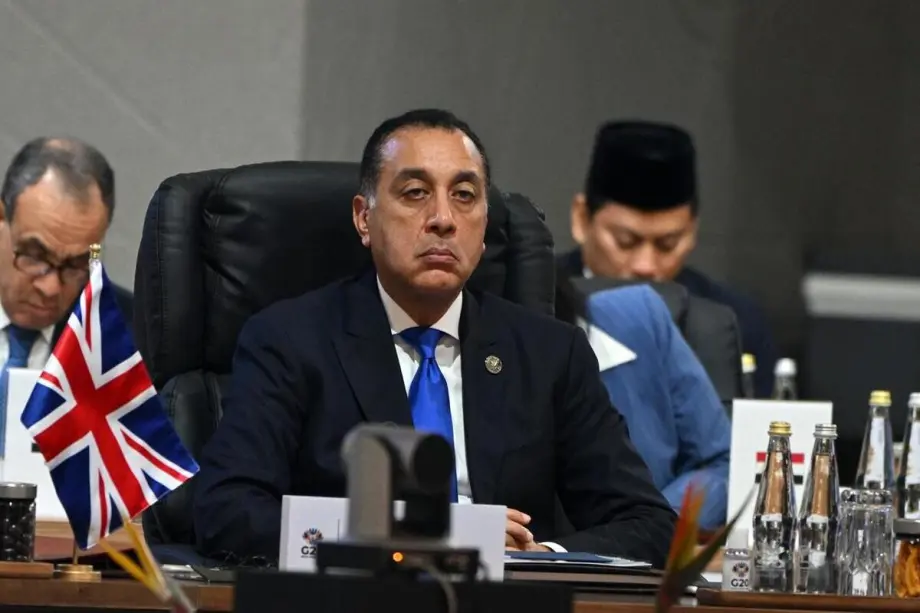
Egypt’s government has said it took immediate and planned steps to protect the economy from possible shocks linked to the ongoing US-Israel war situation involving Iran. Prime Minister Mostafa Madbouly said the state acted within the first hours of the crisis to reduce risks and maintain stability.
The Egyptian economic crisis response was presented during a session in the House of Representatives, where the prime minister explained how authorities prepared for different conflict scenarios. He said the government studied possible outcomes early and made fast economic decisions to protect national stability.
According to Madbouly, a special crisis committee was formed immediately after the conflict situation began. The committee included multiple government bodies responsible for trade, energy, and economic planning. Its main role is to monitor global developments and respond quickly to any changes.
He said the government’s main focus was to prevent disruption to the country’s economy. Officials worked on ensuring that supply chains remained stable and that essential goods continued to reach the market without interruption.
The Egyptian economic crisis response also included steps to secure energy supplies. Authorities acted to manage fuel and electricity needs as global energy markets became more unstable due to rising tensions in the region.
Madbouly said the government prepared several emergency scenarios in advance. These plans were designed to help Egypt react quickly if global conditions worsened. He added that this preparation helped the country remain stable despite external pressure.
He also told lawmakers that the government is closely tracking the situation. Officials are studying its economic effects in real time and adjusting policies when needed to reduce negative impacts on the economy.
A key part of the response was protecting supply chains. This includes ensuring that imports and exports continue smoothly and that essential products remain available in local markets.
The Egyptian economic crisis response strategy is focused on reducing shocks caused by global instability. Rising oil prices and regional conflict have increased pressure on many economies, including Egypt, which relies heavily on imported energy.
Madbouly said the government is taking “swift and decisive” actions whenever needed. He emphasized that maintaining economic stability is a top priority during uncertain global conditions.
The crisis committee continues to meet and review developments. It coordinates between different ministries and agencies to ensure a unified national response.
Energy security has been one of the most important concerns. Officials have already begun measures to manage fuel consumption and control rising import costs linked to global price changes.
At the same time, the government is trying to balance economic stability with public needs. Authorities aim to avoid major disruptions in daily life while adjusting to external pressures.
The Egyptian economic crisis response also reflects wider concerns about inflation and trade. Global conflicts often lead to higher transport and energy costs, which can affect domestic prices.
Madbouly told parliament that the government remains alert and prepared for further changes. He said the situation is being monitored continuously to protect the economy from sudden shocks.
He also noted that early planning helped Egypt respond faster than in previous crises. The government believes that preparation and coordination are key to managing global uncertainty.
The prime minister’s remarks came during a parliamentary session where officials regularly update lawmakers on major national issues. These sessions allow discussion and review of government policies and actions.
Egypt continues to face external economic pressure linked to global instability. However, officials say the current response plan is designed to strengthen resilience and reduce long-term risks.
The Egyptian economic crisis response will continue to evolve as the situation develops. Authorities say they will adjust measures as needed to ensure economic stability and protect key sectors.
