


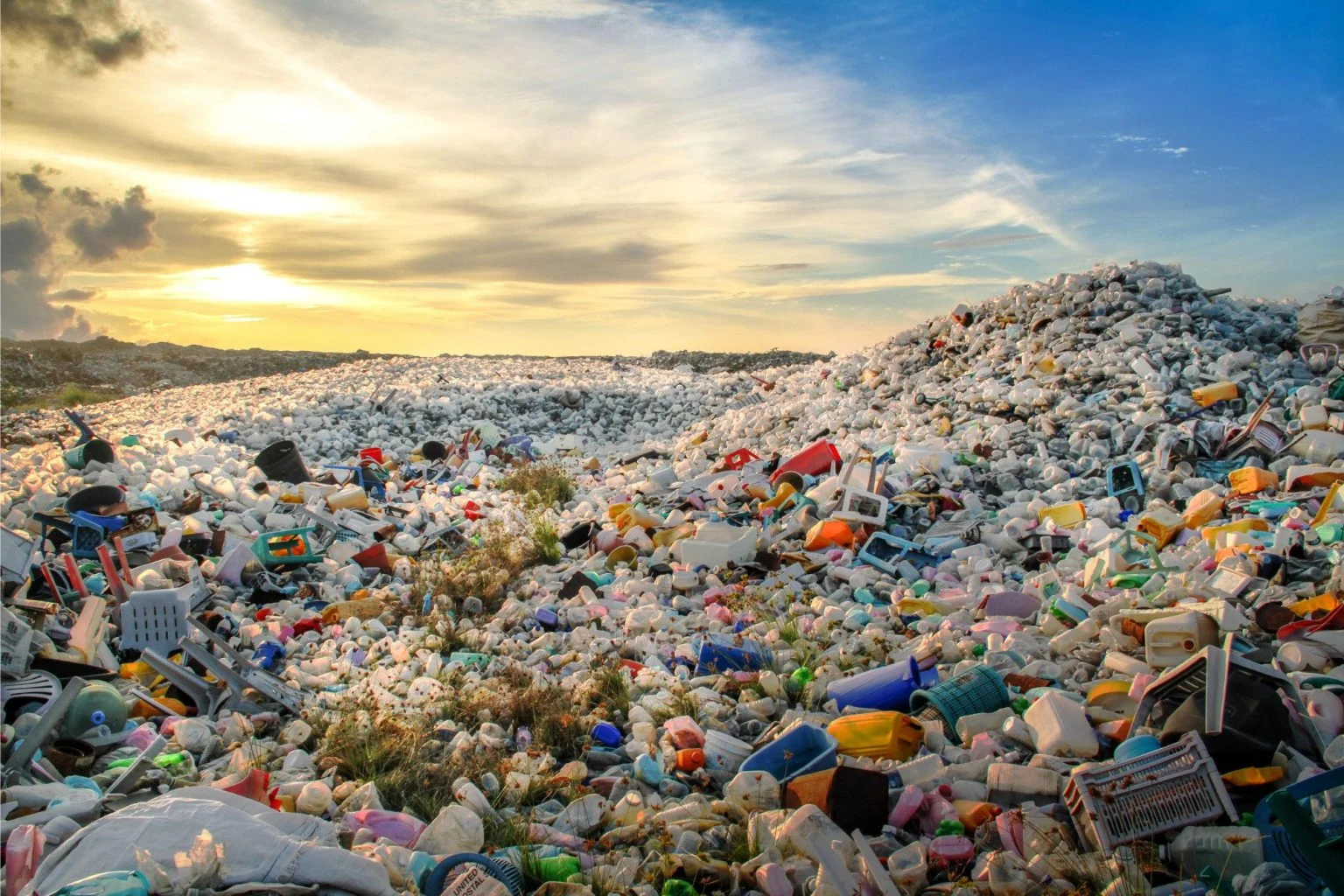
U.S. researchers have developed a new plastic recycling catalyst that could revolutionize the way plastic waste is processed. The nickel-based catalyst efficiently breaks down tough polymers, potentially reducing the need for extensive sorting and making recycling faster and more cost-effective.
Experts explain that conventional recycling methods often struggle with mixed or contaminated plastics, which limits the amount of material that can be reused. This new catalyst allows a broader range of plastics to be recycled, helping reduce the volume of waste sent to landfills and oceans.
The technology works by chemically breaking down polymers into their basic components. These can then be repurposed to create new plastic products, supporting a circular economy and reducing dependence on virgin fossil fuels.
Researchers emphasize that plastic recycling catalyst advances like this one are critical for sustainability. Plastics are a major source of pollution, and improving recycling efficiency can lower greenhouse gas emissions associated with plastic production.
The development also has economic benefits. By enabling easier and more efficient recycling, companies can reduce costs, create green jobs, and promote the growth of sustainable materials industries.
Authorities note that adopting this technology at scale could transform waste management practices. Municipalities, recycling facilities, and manufacturers could process plastics more effectively, while contributing to national and global environmental targets.
Community and industry engagement will be key to implementation. Training programs, technology deployment, and awareness campaigns can help ensure the catalyst is used effectively and sustainably across the recycling sector.
Looking ahead, researchers aim to optimize the catalyst for industrial-scale applications. Further studies are expected to improve efficiency, lower costs, and integrate the technology into existing recycling infrastructure, making it a practical solution for both urban and rural areas.
Overall, the development of this plastic recycling catalyst represents a major advance in sustainability. By breaking down tough polymers more efficiently, it promises to reduce waste, support a circular economy, and help tackle the growing challenge of plastic pollution worldwide.
