


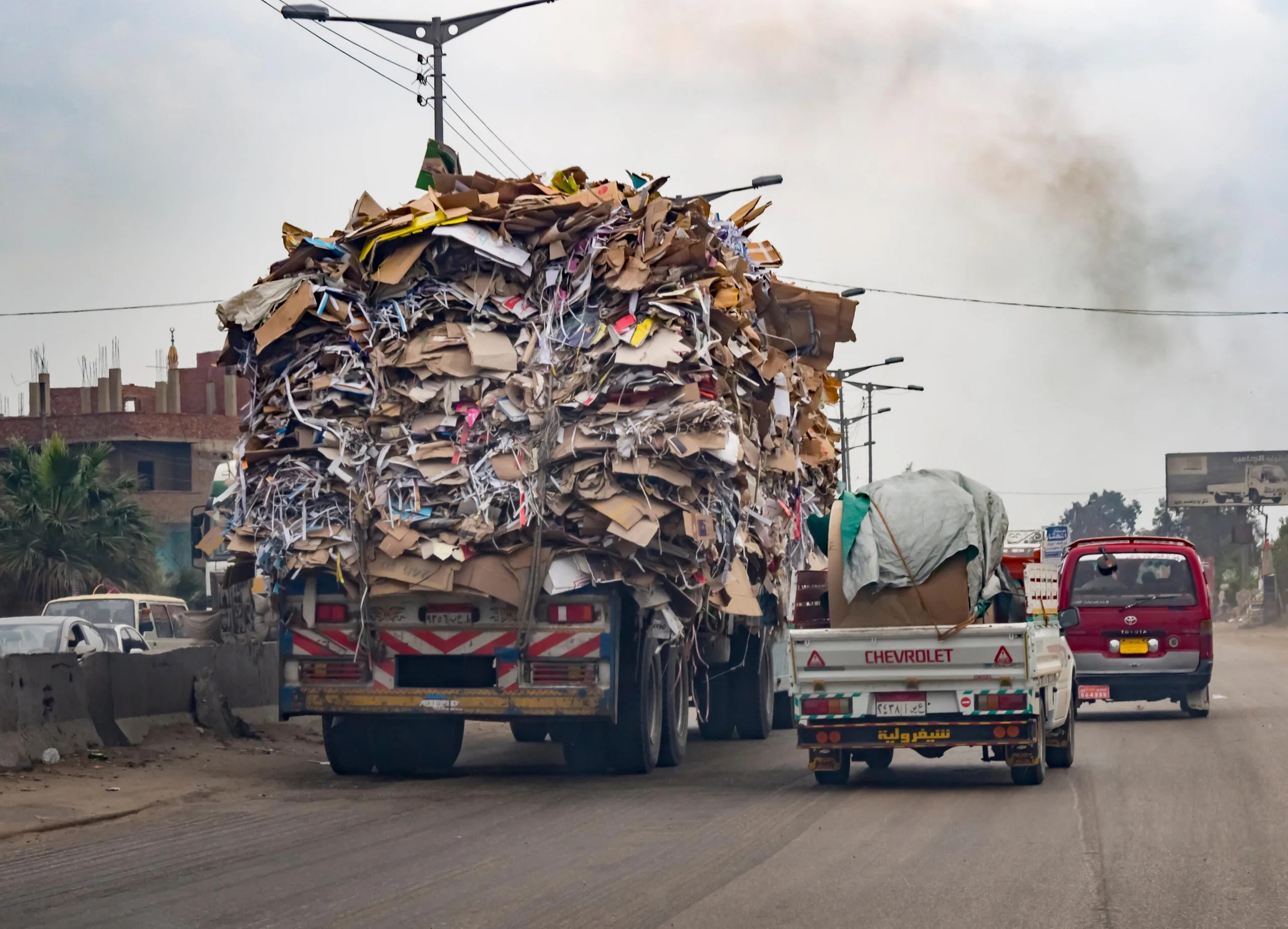
Egyptian authorities are working to turn several informal waste dump sites into public parks, in a plan intended to increase green space and improve the urban environment. The Ministry of Local Development and the Ministry of Environment are coordinating with other government bodies on projects at Al-Wafaa wal-Amal and Al-Obour. Together, the planned parks are expected to cover more than 400 feddans. The initiative aims to replace areas used for uncontrolled waste disposal with open spaces that can serve nearby communities.
The proposal reflects a broader effort to improve the quality of life in urban areas. Parks can provide residents with places to walk, exercise, relax, and spend time with family. In neighbourhoods where green areas are limited, public parks can offer an accessible place for children to play and for people of different ages to meet. Trees and planted spaces can also provide shade and help soften the effects of heat in built-up areas.
Converting a waste site into a park requires more than planting trees and installing benches. Authorities need to assess the condition of the land, manage any pollution, and ensure the site is safe for public use. Former dumping grounds may contain materials that require careful removal or treatment. Ground preparation, drainage, access paths, lighting, and long-term maintenance are also important. If these steps are not handled properly, a new park may face safety problems or become difficult to maintain after its opening.
The involvement of several government bodies suggests that the project requires coordination across different areas of public policy. Environmental officials need to consider land quality and planting, while local authorities must plan access and public use. Housing and engineering agencies may also have a role in the design and delivery of the sites. Clear responsibility for maintenance will matter once the parks are open, because green spaces need regular care to remain clean, safe, and welcoming.
Expanding green coverage can bring environmental benefits, although the results depend on the types of plants used and how the sites are managed. Trees can provide shade and help capture some airborne particles, while planted areas may support local biodiversity. Parks can also encourage people to spend more time outdoors, creating a healthier public environment. Yet greenery alone cannot resolve every urban problem. Effective waste collection, clean air policies, and careful planning remain necessary alongside new parks.
The project may also improve the way residents use public land. An abandoned or poorly managed dump site can create unpleasant conditions for people living nearby. Reusing such land for community purposes can make the area more attractive and provide a shared public asset. Local residents should ideally have clear information about the design, access rules, and expected opening dates so they can understand how the spaces will serve their needs.
Long-term success will depend on whether the sites are made safe, completed on schedule, and maintained after construction. Public parks require funding for cleaning, repairs, irrigation, and replacement of damaged facilities. If maintenance is neglected, the benefits can fade quickly. Authorities will also need to ensure that people can reach the parks easily and that access is not limited to a small group of residents.
Turning former waste dumps into green spaces offers Egypt an opportunity to improve neighbourhoods while addressing an environmental problem. The planned area is substantial, but the most important measure will be how the new parks improve daily life for people living nearby. With proper preparation and continued maintenance, the sites could become useful public spaces rather than remaining underused land associated with waste disposal.
