


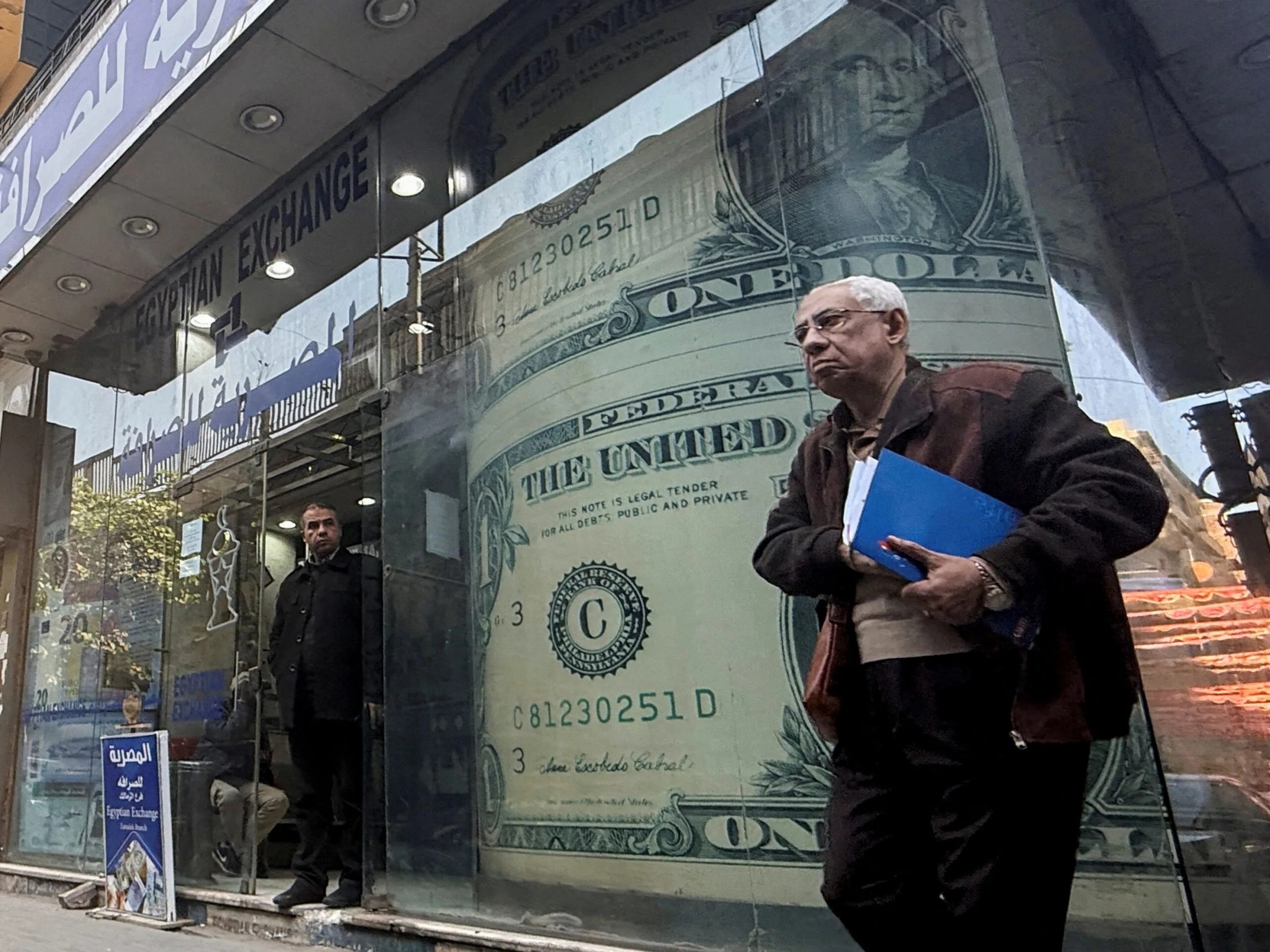
Egypt local currency trade BRICS efforts have moved into focus following calls from Cairo for stronger central bank cooperation within the bloc. Egyptian officials used the recent BRICS summit to push for wider use of local currencies in trade among member nations. The declaration that emerged from the summit backed reformed multilateralism and a greater role for the Global South.
Officials in Cairo argue that reduced reliance on the US dollar could help stabilize import costs for essential goods. Egypt has faced real pressure from currency volatility in past years, driven partly by decisions made in financial centers far outside its control. Local currency trade arrangements offer one practical tool to reduce that outside exposure over time.
Central bank cooperation forms a key part of this broader push. Egyptian officials want closer coordination between BRICS central banks on issues like payment systems and currency swap arrangements. These mechanisms could allow member countries to settle trade directly in their own currencies rather than routing transactions through dollar denominated systems.
The BRICS bloc has grown its membership and influence steadily in recent years, attracting emerging economies eager for greater representation in global finance. Egypt joined the group relatively recently and has used its position actively to advance both economic and political goals. This local currency push fits into a broader pattern of Cairo advocating for structural changes to global economic governance.
Analysts say the practical challenges of shifting away from dollar dominance remain substantial. Building trust in alternative currency arrangements takes time, and many BRICS economies still rely heavily on dollar denominated debt and trade contracts. Even strong political commitment from leaders does not guarantee rapid technical progress on the ground.
Still, officials in Cairo view this as a long term strategic priority worth pursuing patiently. Egypt’s own currency has faced significant pressure in recent years, making the appeal of reduced dollar dependence particularly strong. Officials argue that even gradual progress toward local currency trade could meaningfully ease pressure on the Egyptian pound over time.
The declaration’s broader themes around reformed multilateralism also carry significance for Egypt’s foreign policy approach. Cairo has consistently argued that global institutions built decades ago no longer reflect today’s economic realities. Pushing for change through blocs like BRICS allows Egypt to advocate for reform without directly confronting any single dominant power alone.
Trade officials note that practical steps often follow high level declarations like this one, though implementation typically takes considerable time. Technical committees within BRICS are expected to study specific mechanisms for expanding local currency settlement in the coming months. Egyptian officials say they will actively participate in these technical discussions going forward.
Business groups within Egypt have offered cautious support for the broader direction of this policy push. Exporters and importers alike say reduced currency volatility would help with long term planning and pricing decisions. However, some business leaders note that any transition away from dollar based trade needs careful management to avoid new complications.
Looking ahead, Egyptian officials say they view this push as part of a multi year effort rather than something expected to produce immediate results. They argue that persistent advocacy within BRICS, combined with domestic economic reforms, offers the best path toward greater currency stability. For now, the summit declaration marks another step in that longer term strategic direction.
Financial analysts note that Egypt’s participation in these discussions also serves a signaling function toward international investors. Demonstrating active engagement in shaping global financial reform can help position Egypt as a serious voice in broader economic debates, beyond its own immediate domestic concerns. Officials in Cairo appear conscious of this reputational dimension alongside the practical goals of the currency push itself.
Other BRICS members have offered varying levels of enthusiasm for the local currency agenda, reflecting differing economic priorities across the bloc. Some larger economies within the group have moved further along in developing alternative payment infrastructure, while others remain at earlier stages of exploration. Egyptian officials say they hope to learn from more advanced members as they develop their own approach to this shared goal.
