


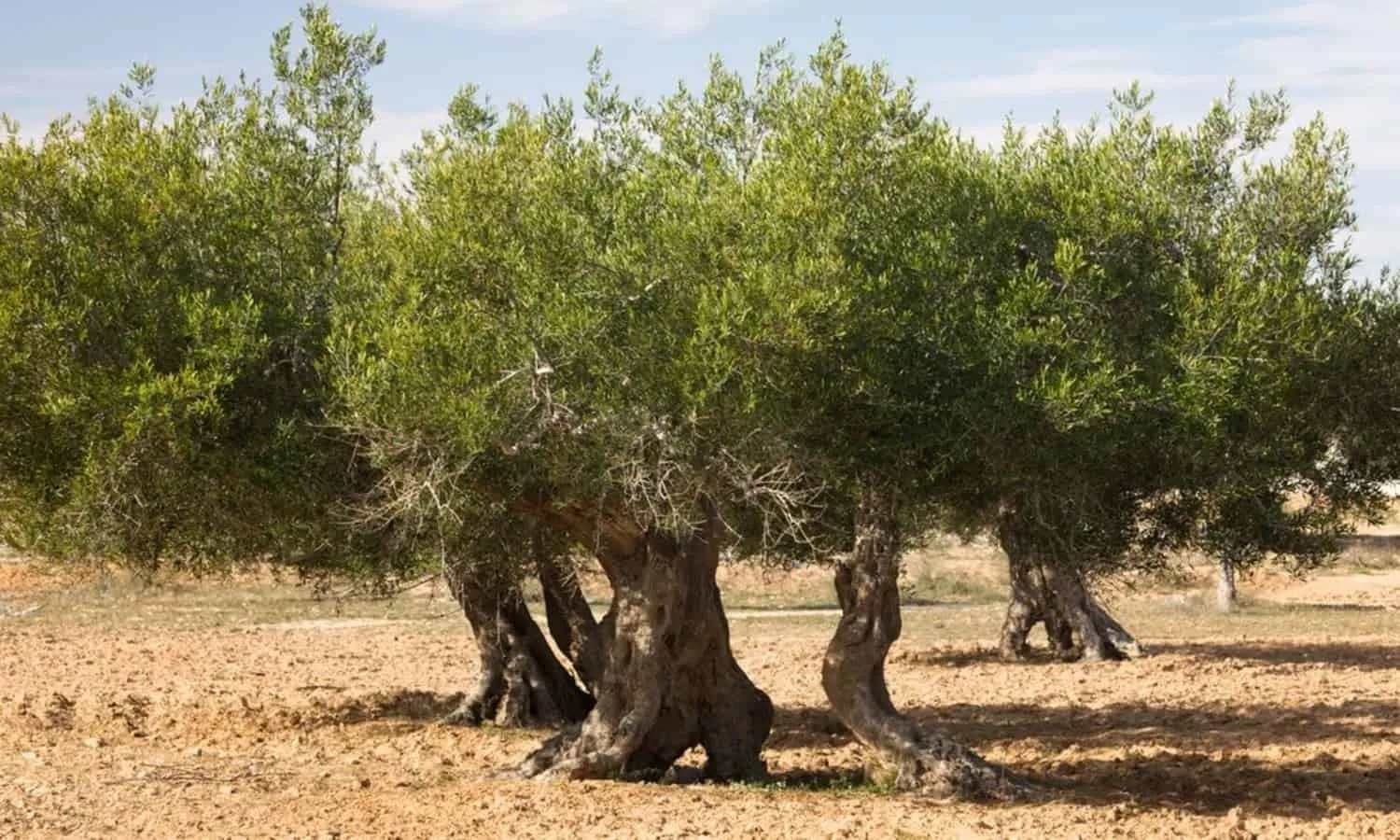
Egypt is preparing to launch a new olive harvest festival this month in the coastal governorate of Marsa Matrouh, offering visitors a hands on tourism experience centered around one of the region’s most important agricultural traditions. Tourism Minister Sherif Fathy announced the plans during a recent meeting with hotel owners and tourism investors in the governorate, describing the festival as an immersive way for travelers to connect with the area’s agricultural heritage.
The festival will allow visitors to take part directly in the various stages of olive harvesting and pressing, giving tourists a chance to experience traditional agricultural work firsthand rather than simply observing it from a distance. Matrouh has long served as one of Egypt’s key olive growing regions, with the crop forming an important part of the local economy alongside dates, figs, and other agricultural products grown throughout the governorate’s diverse landscape.
Fathy’s announcement came during his first meeting with tourism investors in Matrouh since taking on responsibility for the sector, bringing together hotel owners and tourism business operators to discuss broader plans for expanding the governorate’s appeal to visitors. The meeting focused heavily on identifying investment opportunities that could increase hotel capacity and attract more international travelers to a region officials describe as an emerging destination with significant untapped potential.
Beyond the olive festival itself, Fathy highlighted Matrouh’s strong potential for luxury tourism development, pointing to the governorate’s distinct Bedouin cultural heritage as a foundation for new tourism experiences beyond its well known beaches. Officials say the region’s combination of Mediterranean coastline, desert landscapes, and unique cultural traditions gives it genuine potential to diversify Egypt’s tourism offerings beyond the more heavily visited Red Sea resorts and historical sites along the Nile.
The timing of the festival aligns with Egypt’s natural olive harvest season, which typically begins in September and continues through November across the country’s major growing regions. Egypt ranks among the world’s largest producers of table olives, with substantial cultivation concentrated in desert areas including Matrouh, the Sinai, and the New Valley province in the Western Desert, where farmers have adapted olive growing techniques to challenging arid conditions over generations.
Tourism officials see real potential in incorporating the new festival into broader travel itineraries for visitors already planning trips to Egypt’s North Coast, a region that draws large numbers of domestic tourists during the summer months but has historically seen less visitor traffic once the peak beach season winds down in early autumn. By timing the festival for September, officials hope to extend the tourism season in the region and give travel operators a compelling reason to keep bringing visitors to the area beyond the traditional summer rush.
Promotional activities for the festival are expected to begin well ahead of its actual launch, giving tour operators sufficient lead time to incorporate the experience into their travel packages and marketing materials. Officials have not yet released a specific launch date, though the festival is expected to run at some point during September as the harvest season gets underway across the governorate’s olive groves.
As Egypt continues working to diversify its tourism offerings beyond its most famous historical and beach destinations, agricultural tourism experiences like the planned olive festival represent a growing trend toward experiential travel that connects visitors more directly with local culture and traditions. For Matrouh, the festival offers a chance to showcase an agricultural heritage that has long been a quiet but essential part of the region’s identity, now positioned as a genuine draw for travelers seeking something beyond the standard beach holiday experience.
