


The world’s oceans have crossed a critical threshold for acidity, failing a planetary health check for the first time.
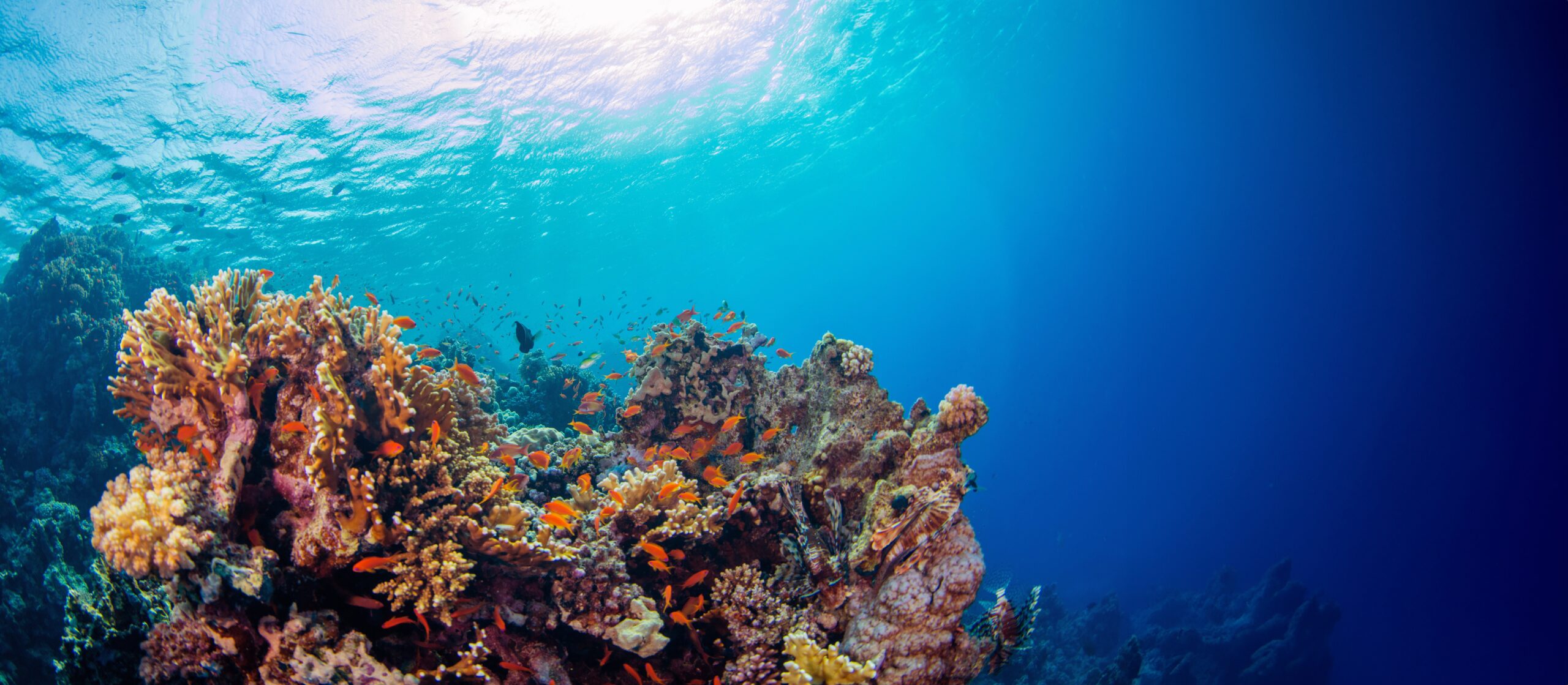
According to the 2025 Planetary Health Check by the Potsdam Institute for Climate Impact Research, ocean surface pH has dropped by 0.1 units since the industrial era, representing a 30-40% increase in acidity. This shift threatens coral reefs, Arctic ecosystems, and marine organisms that rely on calcium carbonate to form shells and skeletons.
The report warns that rising acidity, caused by carbon dioxide from burning oil, gas, and coal, endangers species at the base of the food chain, including oysters and molluscs, with ripple effects on salmon, whales, and humans who depend on the ocean for food and livelihoods.
Scientists say the ocean’s role as a heat absorber and carbon sink is also at risk, weakening its ability to regulate the climate. This marks the seventh of nine planetary boundaries already transgressed, alongside climate change, biosphere integrity, land system change, freshwater use, biogeochemical flows, and novel entities.
Researchers stress urgent global action to curb fossil fuels, reduce pollution, and better manage fisheries. They point to successes like the Montreal Protocol and ozone recovery as proof that international cooperation can reverse damage.
Johan Rockström, director of the Potsdam Institute, said the situation is dire but not irreversible: “Failure is not inevitable; failure is a choice. A choice that must and can be avoided.”
