


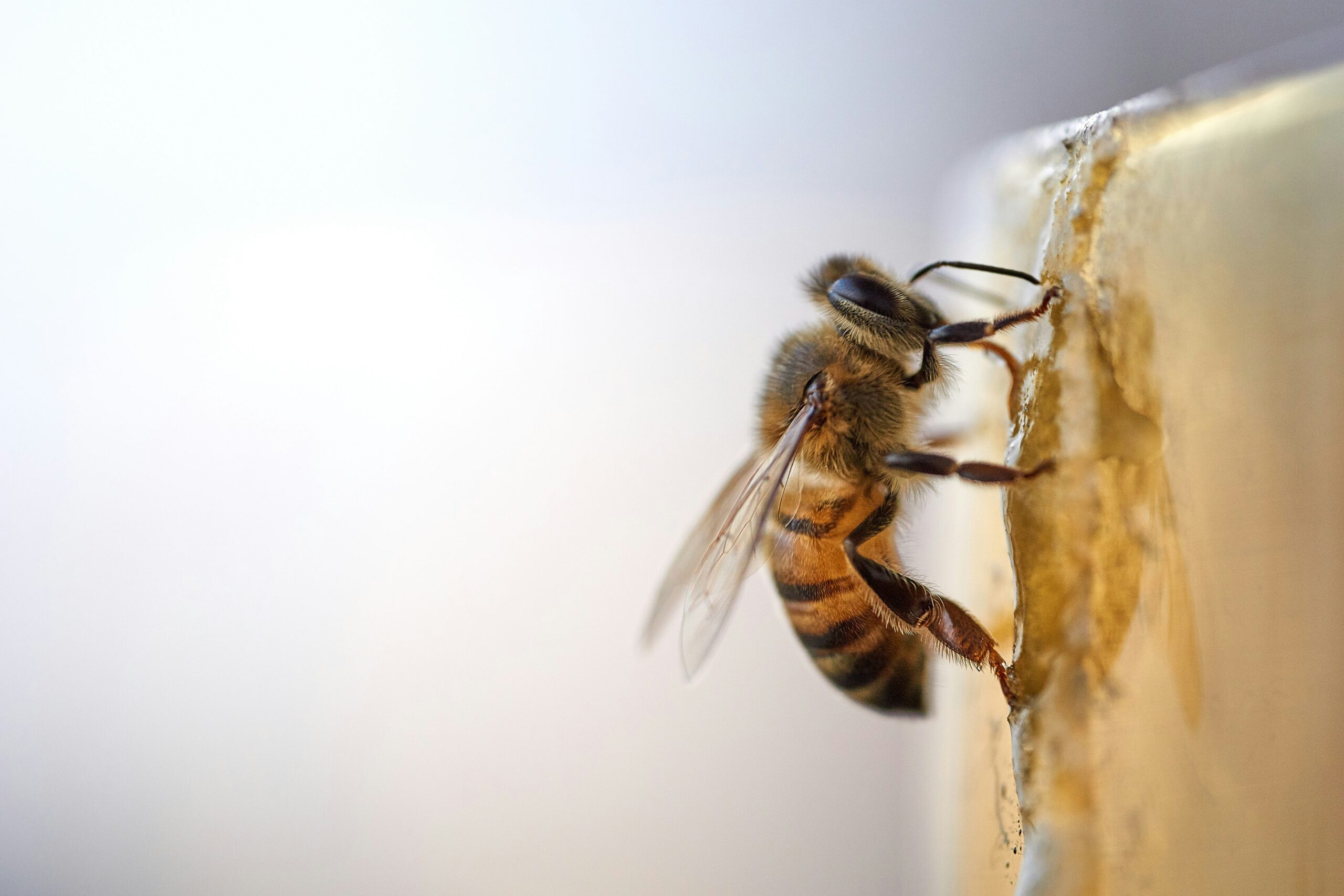
A new study in the Colorado Rockies shows that wild bees strategically select flowers to meet their nutritional needs, balancing protein, fats, and carbohydrates. Over eight years, researchers tracked eight bumblebee species, analyzing the pollen they collected and discovering wide variation in nutrient content. Protein levels ranged from 17% to 86%, with spring flowers generally richer in protein and late-summer flowers higher in fats and carbohydrates.
Bees adjusted their diets as their colonies developed, and species occupied distinct nutritional niches. Larger bees with longer tongues preferred high-protein, low-sugar pollen, while smaller bees favored pollen richer in carbohydrates and fats. The research highlights the importance of floral diversity for conservation efforts, ensuring that pollinators have access to a balanced diet essential for both ecosystem health and human food production.
