


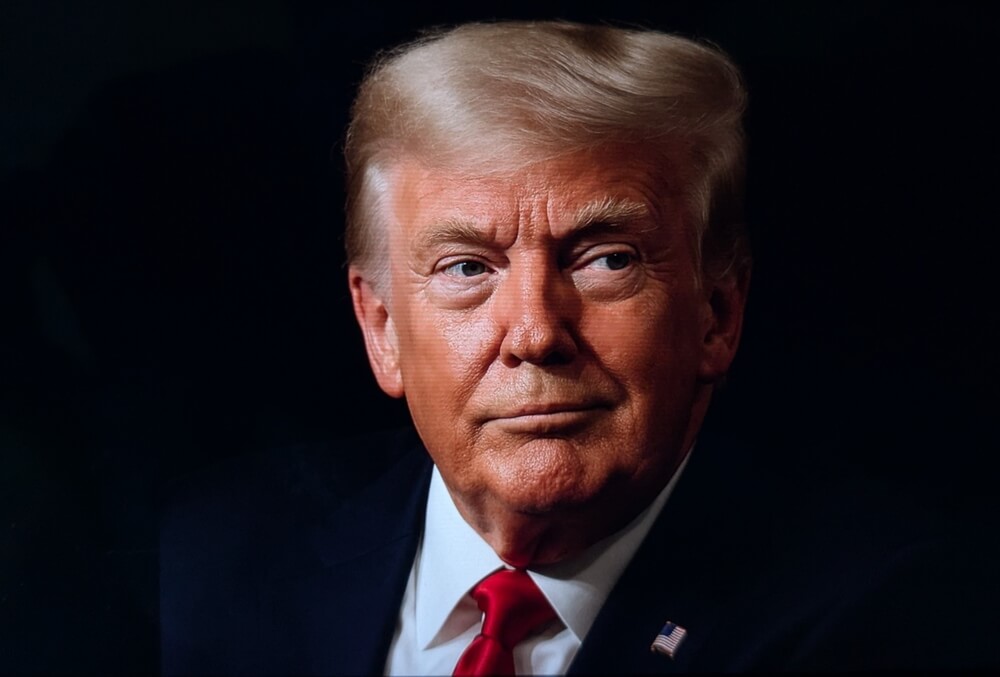
A Swift Response to the Court
Just a day after the US Supreme Court ruled that his sweeping tariff plan exceeded presidential authority, President Donald Trump announced he would raise global tariffs from 10% to 15%, effective immediately.
In a social media post, Trump said the move followed what he described as a “ridiculous” and “anti-American” decision from the court. The justices had struck down his earlier tariff framework in a 6–3 ruling, concluding that he had overstepped by using emergency powers to justify broad import taxes.
The case centered on Trump’s use of the International Emergency Economic Powers Act (IEEPA), a 1977 law typically reserved for sanctions. While previous presidents had used the statute for economic restrictions, Trump was the first to apply it to wide-ranging tariffs. Despite the setback, he insisted the ruling only blocked one specific method and said other legal tools remain available.
Congress, the Constitution and Tariff Power
In its majority opinion, the Supreme Court said the Constitution clearly grants Congress — not the president — the authority to impose taxes, including tariffs. Chief Justice John Roberts wrote that the framers deliberately withheld taxing powers from the executive branch.
Still, the decision does not prevent the administration from pursuing tariffs under other laws. Trump quickly pointed to national security tariffs under Section 232 and existing Section 301 measures, saying they remain “fully in place and in full force and effect.” He also announced new investigations aimed at what he called unfair trade practices.
Vice President JD Vance criticized the ruling, arguing that Congress had intended to give the president broader authority to regulate imports.
What Legal Options Remain?
With IEEPA no longer an option for sweeping tariffs, attention has turned to other sections of the Trade Act of 1974. Section 301 allows the US Trade Representative to investigate and respond to unfair foreign trade practices, but the process can take up to a year before tariffs are imposed.
Section 122 offers a faster route, permitting temporary import surcharges of up to 15% for 150 days in cases of serious balance-of-payments problems. However, those measures automatically expire unless Congress extends them, limiting their long-term impact.
Treasury Secretary Scott Bessent has previously acknowledged that these alternatives are less powerful and less efficient than the emergency powers Trump originally used.
Meanwhile, lawsuits from states and businesses affected by the tariffs are continuing through the courts. Despite public skepticism about tariffs and concerns over rising costs, Trump signaled he has no intention of backing down. Some duties may fall away, he said, but others will replace them — keeping tariffs at the center of his economic strategy.
