


A new Hamas ceasefire letter Gaza sent to international mediators has revealed deep tensions over stalled negotiations and rising violence in the Gaza Strip, according to a document obtained by Asharq Al-Awsat ahead of a planned diplomatic meeting in Cairo.
The document, dated May 20, was reportedly sent by Hamas to mediators in Egypt and shared with Qatar and Türkiye. It was then relayed to other international parties involved in the negotiation process, including the United States and the so-called Board of Peace. The letter comes as diplomatic efforts continue to prevent further escalation in the conflict.
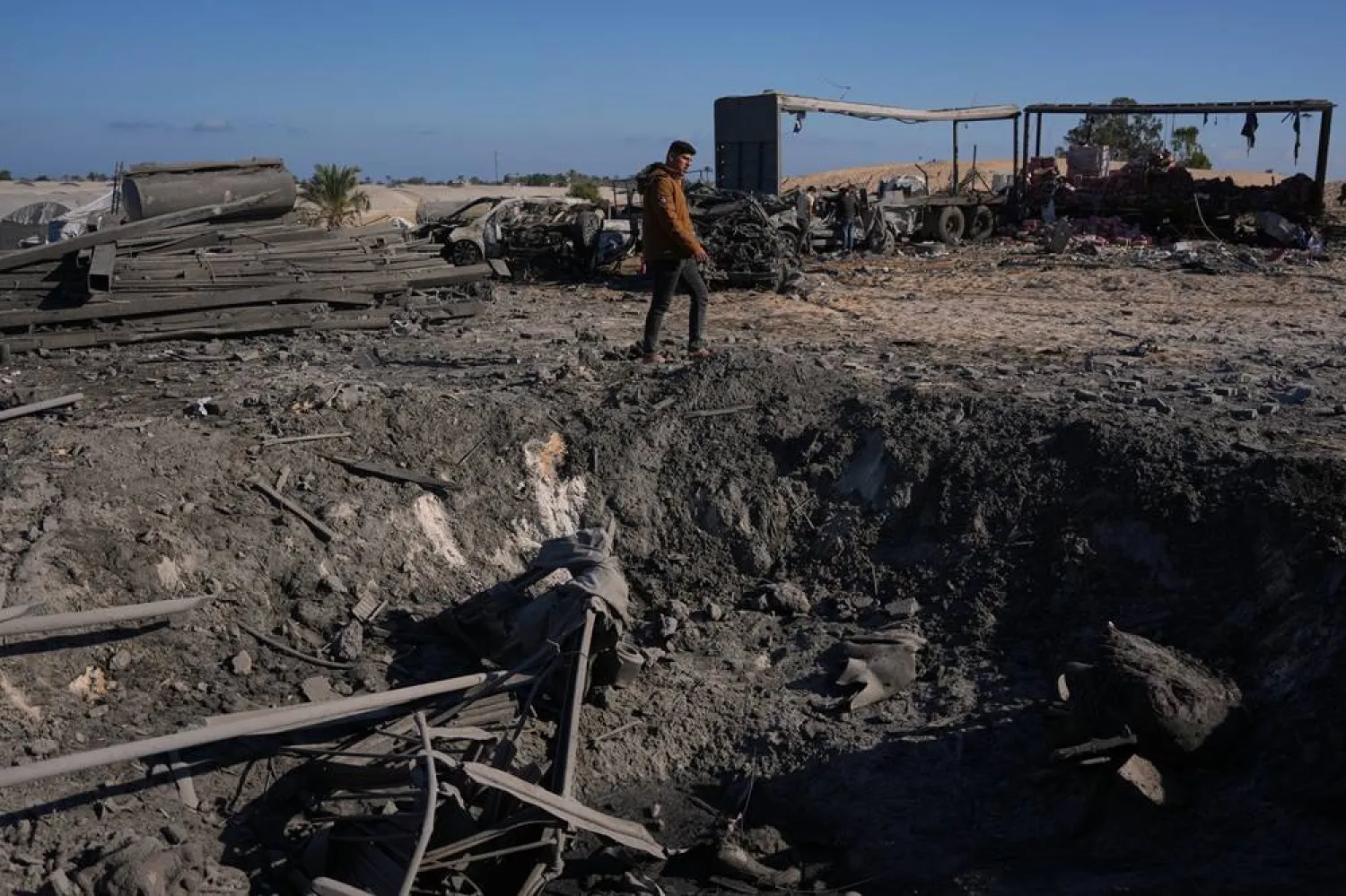
The report comes amid claims of continued Israeli violations of the ceasefire agreement. According to Palestinian sources cited in the document, more than 930 Palestinians have been killed since the agreement took effect on October 10. These figures have not been independently verified in this report but reflect the intensity of ongoing conflict in the region.
Hamas, however, has strongly rejected claims reported by Israeli media that it has grown stronger militarily or is refusing to engage in negotiations. A senior Hamas source described such reports as false and said the movement remains committed to mediation efforts.
The document outlines Hamas’s position on the current deadlock in negotiations. It states that repeated Israeli military actions, including targeted killings and strikes, have created a hostile environment that has disrupted diplomatic progress. Hamas argues that these actions have undermined efforts by mediators to maintain a structured negotiation process.
The letter also criticizes recent remarks made by international officials, including a briefing to the United Nations Security Council. Hamas claims the comments wrongly placed responsibility on the group for blocking negotiations and instead argues that Israel is the side obstructing progress.
According to the document, Hamas insists it remains committed to previously agreed frameworks, including the Sharm el-Sheikh agreement. The group states that it is working on proposals to break the current deadlock and is seeking stronger coordination with mediators to move talks forward.
At the same time, Hamas is urging mediators to increase pressure on Israel to stop what it describes as daily violations of the ceasefire. The group argues that continued military actions are preventing the implementation of agreed steps and worsening the situation on the ground.
The letter also highlights internal disruptions in the negotiation process. Hamas claims that the killing of senior figures, including Ezzedine al-Haddad, commander of the Qassam Brigades, has affected internal communication and delayed consultation among its leadership.
Despite these challenges, Hamas says it intends to continue engaging in the diplomatic process. The group has indicated that once internal consultations are completed, it will present updated proposals to mediators in the coming days in an effort to restart stalled negotiations.
A new round of talks is expected to take place in Cairo, although sources say the timing remains uncertain. The meeting had initially been expected before Eid al-Adha but has now been postponed, with no confirmed date announced.
The situation remains highly sensitive as mediators attempt to bridge gaps between the two sides. Previous negotiation rounds held in Cairo and Istanbul reportedly helped narrow differences, but key issues remain unresolved, including demands related to disarmament and security arrangements in Gaza.
According to the document, Hamas and Israeli positions remain far apart. Israel has reportedly insisted on formal commitments regarding disarmament before moving forward with further stages of any agreement. Hamas, however, rejects these conditions and says they prevent meaningful progress.
The ongoing dispute has also affected broader plans for post-conflict administration in Gaza, including proposals for a governing committee that would take over certain responsibilities in the territory. Implementation of these plans has reportedly been delayed due to political disagreements.
As diplomatic efforts continue, the Hamas ceasefire letter Gaza highlights the fragile state of negotiations and the continued challenges facing mediators trying to maintain stability in the region ahead of the upcoming Cairo meeting.
