


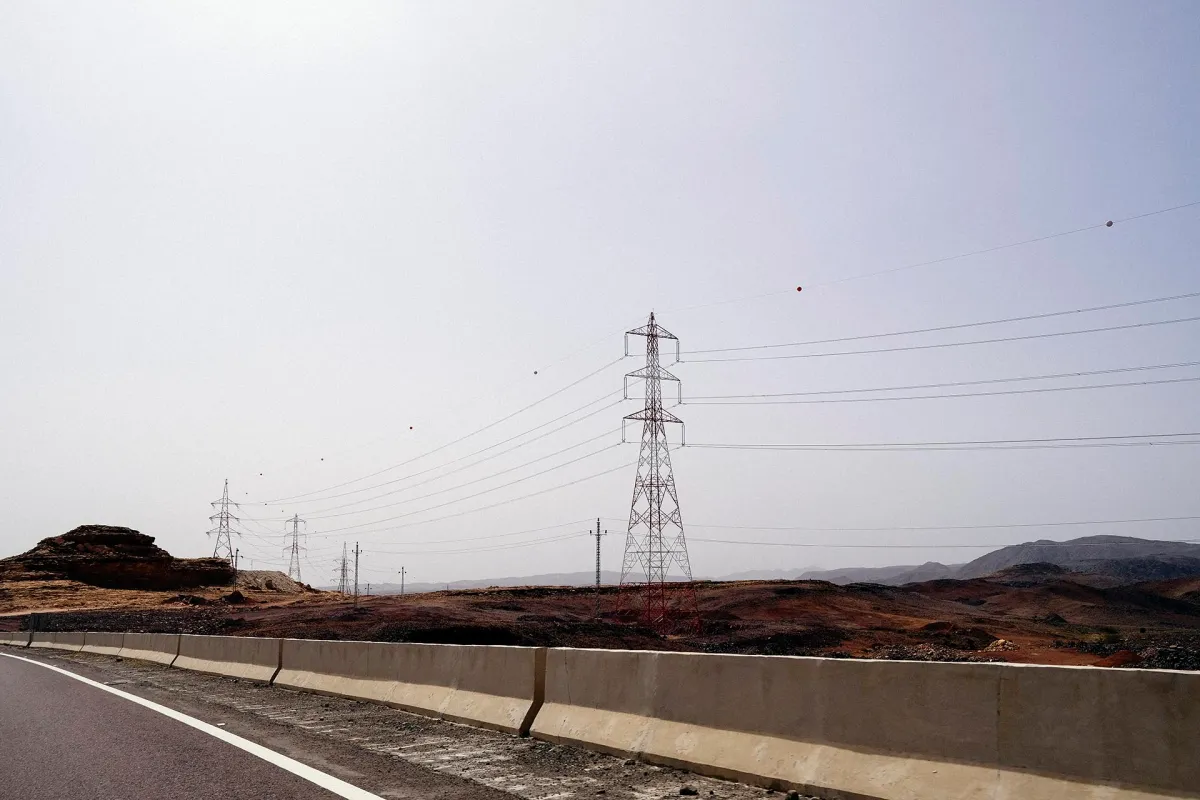
The European Union has approved a EUR 690 million financing package to support major upgrades to Egypt’s electricity transmission network, a move aimed at strengthening the country’s power infrastructure and enabling large-scale renewable energy integration by 2030.
The funding package is designed to help Egypt connect up to 22 gigawatts of new renewable energy capacity to its national grid. It marks the largest single European Union investment in clean energy infrastructure in Egypt to date, reflecting growing cooperation between Cairo and Brussels in the energy sector.
The financing includes a EUR 600 million loan from European Investment Bank Global and an additional EUR 90 million in grants from the European Commission. Together, these funds will support the expansion and modernization of Egypt’s high-voltage electricity network, including the construction of new substations and transmission lines.
The project will be implemented by the Egyptian Electricity Transmission Company, which will use the funding to strengthen the national grid and improve its ability to carry electricity generated from renewable sources. A key focus will be integrating solar and wind energy produced in regions such as the Red Sea coast and the Gulf of Suez, which are emerging as major hubs for clean energy development.
European Union financing will cover about 44 percent of the total project cost, while the remaining investment will be provided by the Egyptian Electricity Transmission Company using its own resources. The European Investment Bank-supported phase of the project is scheduled to run from 2027 to 2030, with the Central Bank of Egypt acting on behalf of the government as the borrower.
The announcement was made during the EU-Egypt Association Council meeting held in Luxembourg, marking the first such meeting since the signing of the Strategic and Comprehensive Partnership between Egypt and the European Union in 2024. The agreement has strengthened political and economic ties between the two sides, with a strong focus on energy cooperation and infrastructure development.
The transmission project falls under the EU’s Trans-Mediterranean Renewable Energy and Clean-Tech Cooperation Initiative, which is part of the broader Global Gateway strategy. The Global Gateway programme aims to mobilize up to EUR 300 billion in infrastructure investment worldwide by 2027, with a strong emphasis on sustainable development and clean energy transition.
In recent years, Egypt has significantly expanded its renewable energy ambitions, attracting growing international investment. According to European financial institutions, more than 10 gigawatts of renewable power purchase agreements have already been signed in the country, with nearly 6 gigawatts reaching financial close.
These projects have drawn more than EUR 4.3 billion in private investment, highlighting strong global interest in Egypt’s energy sector. At the same time, multilateral development banks such as the European Bank for Reconstruction and Development have also increased their involvement, committing EUR 200 million to grid upgrades in 2025 alone.
The new EU-backed initiative is expected to play a key role in addressing one of Egypt’s main energy challenges: ensuring that rapidly growing renewable generation capacity can be efficiently transmitted across the country. Grid bottlenecks have been a limiting factor in the full utilization of solar and wind resources, particularly in high-potential regions.
By expanding transmission infrastructure, the project aims to improve energy stability, reduce reliance on fossil fuels, and support Egypt’s long-term climate and energy transition goals. It also strengthens Egypt’s position as a regional energy hub connecting Africa, the Middle East, and Europe.
Officials say the cooperation reflects a broader shift in EU-Africa energy relations, with increased focus on infrastructure, clean technology transfer, and long-term investment partnerships.
