


Egypt has highlighted its commitment to supporting development across Africa as Tanzania prepares to officially inaugurate the Julius Nyerere Hydropower Project, one of the continent’s largest energy infrastructure developments.
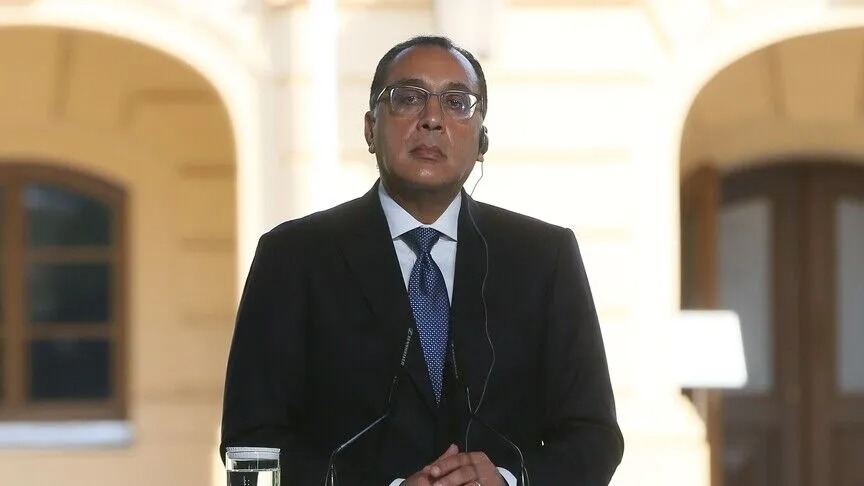
Egyptian Prime Minister Mostafa Madbouly made the remarks during a visit to Tanzania ahead of the project’s official opening. The hydropower facility was constructed by a consortium of Egyptian companies and is expected to play a major role in strengthening Tanzania’s electricity supply.
According to Egyptian officials, the project demonstrates the capability of Egyptian firms to deliver large-scale infrastructure developments beyond their national borders. The project was carried out by a consortium that includes Elsewedy Electric and Arab Contractors, two of Egypt’s leading engineering and construction companies.
Madbouly described the development as an important example of cooperation between African nations. He said the project reflects Egypt’s support for economic growth and sustainable development across the continent.
The hydropower facility is expected to generate approximately 2,115 megawatts of electricity, significantly increasing Tanzania’s energy production capacity. Officials believe the additional power generation will support industrial growth, improve electricity access, and contribute to broader economic development.
Construction of the project took nearly five years to complete. During that period, around 12,000 workers participated in the development. The workforce included approximately 1,700 Egyptian engineers, technicians, and specialists who contributed to the design, construction, and implementation of the project.
Madbouly said the successful completion of the dam and power plant demonstrates Egypt’s willingness to contribute to development initiatives throughout the Nile Basin and across Africa. He stressed that Egypt supports projects that improve living standards and create economic opportunities for neighboring countries.
The prime minister also addressed claims that Egypt opposes development projects in other African nations. He said the completion of the hydropower facility serves as evidence that Egypt actively supports infrastructure investment and regional cooperation.
His comments come amid continuing discussions surrounding water resources and development projects along the Nile River. Egypt has long emphasized the importance of balancing development needs with the protection of water resources shared by countries throughout the basin.
Madbouly reiterated Egypt’s position that development and cooperation can move forward while respecting the interests of all countries that depend on the Nile. He stated that Cairo remains committed to protecting its water rights while supporting projects that benefit partner nations.
The remarks were made during a period of renewed attention on water management issues in the region. Egypt and Ethiopia have maintained differing positions regarding large-scale water infrastructure projects on the Nile River.
The two countries, along with Sudan, have spent years discussing issues related to the Grand Ethiopian Renaissance Dam. Negotiations have sought to address concerns involving water flows, reservoir operations, and long-term management of shared resources.
Recent statements from officials in both Egypt and Ethiopia have highlighted continuing differences regarding future water projects. Ethiopia has maintained that it has the right to pursue development initiatives that support national growth and energy generation.
Egypt, meanwhile, has repeatedly expressed concerns about unilateral actions that could affect downstream water supplies. Egyptian officials have argued that major projects on shared waterways should take into account the interests of all countries that rely on those resources.
Despite ongoing disagreements over regional water issues, the completion of the Tanzanian project represents an example of cooperation between African nations on major development initiatives. The hydropower facility is expected to provide long-term economic and social benefits for Tanzania.
Energy experts note that access to reliable electricity remains a critical factor in supporting industrial expansion, job creation, and improvements in living standards. Large-scale hydropower projects can play an important role in helping countries meet growing energy demands.
The Egypt Tanzania Dam Project highlights the increasing role of regional partnerships in advancing infrastructure development across Africa. As Tanzania prepares to begin operations at the new facility, both countries are presenting the project as a symbol of cooperation, technical expertise, and shared development goals.
Officials hope the project will serve as a model for future collaboration and demonstrate how African countries can work together to address energy challenges and support long-term economic growth.
