


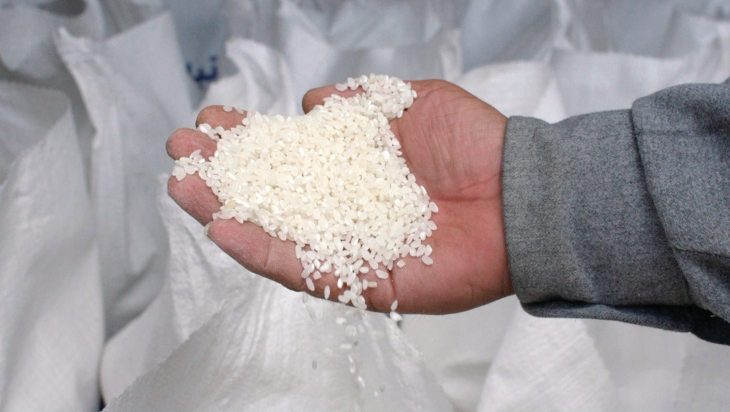
Egypt has moved to place its rice export sector under the control of a single state-linked authority, marking a major shift in how one of its key agricultural markets is managed. The decision has sparked debate in trade and policy circles, as it concentrates export power within a single body.
The Egypt Rice Exports system is now being led by the Future of Egypt for Sustainable Development Authority, according to official correspondence sent to the Egyptian Customs Authority. The letter stated that customs offices must not issue rice export certificates without prior approval from the authority.
This step effectively gives the authority sole control over rice exports. It also places it above private sector players who had been active in the market in recent years. One of the most prominent companies affected is Sons of Sinai for Trading and General Contracting, which had grown into a major exporter.
In its communication, the authority said some companies were exporting rice without coordination. It described this as a violation of agreed policies with government ministries, including agriculture and supply agencies. The authority said tighter control was needed to organize the sector.
The Egypt Rice Exports change is based on a presidential directive issued in August last year. However, formal ministerial rules to fully implement the decision have not yet been released. Despite this, sources say the authority has already started acting as the main export gatekeeper.
A rice exporter familiar with the situation said the authority effectively took control of exports in October. A government source also indicated that the state had been working toward centralizing exports through the authority to better manage surplus production and regulate trade flows.
Under the new system, the authority will also handle foreign currency earnings from rice exports. These revenues are expected to be transferred to the central bank. Officials say this is intended to help secure foreign currency for importing essential goods.
The Egypt Rice Exports sector has long been tightly controlled due to water shortages. Rice is a water-intensive crop, and authorities have repeatedly restricted cultivation and exports over the past two decades. Officials have said rice can consume up to a quarter of Egypt’s annual share of Nile water.
In 2016, Egypt imposed a stricter export ban on rice, which has been renewed every year since. However, limited exports have still taken place through special permits. These permits were often issued to selected entities linked to state institutions.
During this period, Sons of Sinai became a dominant player. Some traders said exporters were paying fees per ton to ship rice under its name. This system operated alongside official restrictions, creating a complex and partially informal export structure.
Despite the ban, rice exports still generated significant revenue. Official data shows exports reached around $91.7 million in 2024 before declining slightly to $83.6 million the following year. This indicates continued demand despite tight regulation.
The new centralization move signals a broader expansion of the Future of Egypt authority’s role in the economy. Originally focused on land reclamation and resource projects, the authority has gradually entered key sectors such as wheat imports, food supply chains, real estate, and energy.
It now forms part of what officials describe as Egypt’s “food security structure,” which includes production, distribution, and strategic reserves. Supporters of the system say it improves coordination and strengthens national supply management.
However, critics argue that concentrating export power in one authority reduces competition. They also warn that limited transparency in export licensing could affect private sector participation and pricing in the market.
The Egypt Rice Exports policy shift is expected to continue evolving as formal regulations are finalized. For now, customs authorities have been instructed to follow the new approval system, making the Future of Egypt authority the key gatekeeper for all rice exports.
As the system develops, attention will remain on how it affects traders, pricing, and Egypt’s broader agricultural export strategy in a tightly controlled and resource-sensitive sector.
