


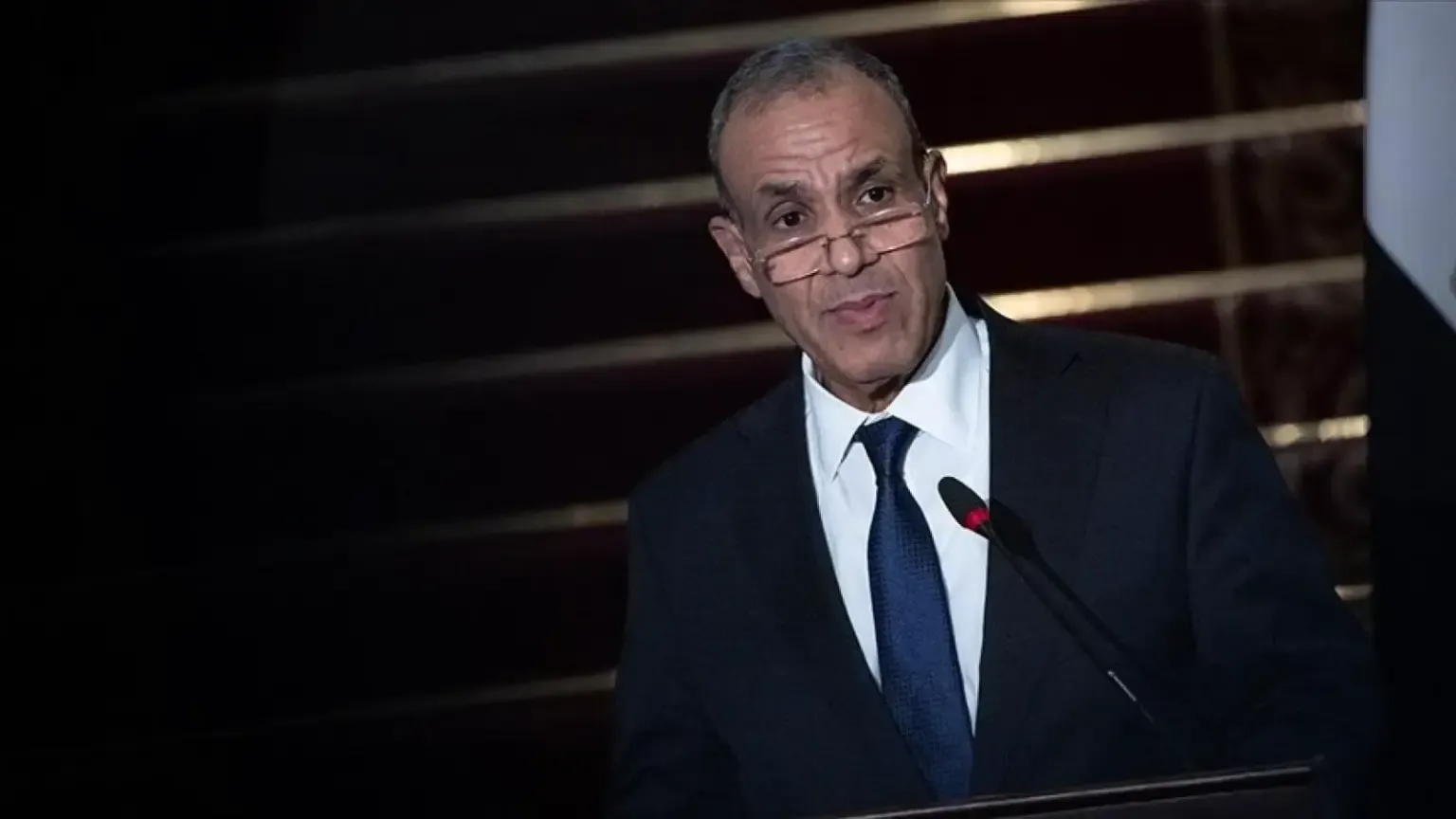
Egypt has renewed its position that decisions affecting the Nile River must follow international law and respect the water security interests of all countries involved. Foreign Minister Badr Abdelatty raised the issue during discussions with senior officials from the United Arab Emirates and the United States at the Sir Bani Yas Forum. The meeting included UAE Foreign Minister Sheikh Abdullah bin Zayed Al Nahyan and Massad Boulos, a senior adviser to the US president for Arab and African affairs. Egypt’s foreign ministry said the discussions covered regional security, the situation in the Horn of Africa and developments in Sudan, alongside the wider question of water security.
Abdelatty stressed that Egypt rejects unilateral measures concerning the Nile, reflecting Cairo’s long-standing concerns about actions that could affect the river’s flow and the country’s access to water. The Nile is a central resource for Egypt, supporting households, agriculture, industry and other essential activities. With a large share of the country’s freshwater supply coming from the river, Egyptian officials have repeatedly described water security as a national priority. They argue that any major project or decision involving shared water resources should be based on cooperation, consultation and established international principles.
The talks also addressed security challenges in the Horn of Africa, where political tensions and armed conflicts continue to affect regional stability. The officials discussed ways to support de-escalation and strengthen cooperation among regional partners. Sudan was another important subject, with the participants examining efforts to end the conflict and reduce the humanitarian suffering experienced by its population.
The meeting demonstrates how Egypt is seeking to connect its water-security concerns with broader diplomatic discussions involving regional and international partners. Although the latest talks did not announce a new agreement on the Nile, Cairo used the opportunity to restate its position and underline the importance of international law. Egypt’s approach remains focused on preventing unilateral decisions, protecting its essential water interests and encouraging diplomatic solutions to disputes that affect several countries.
