


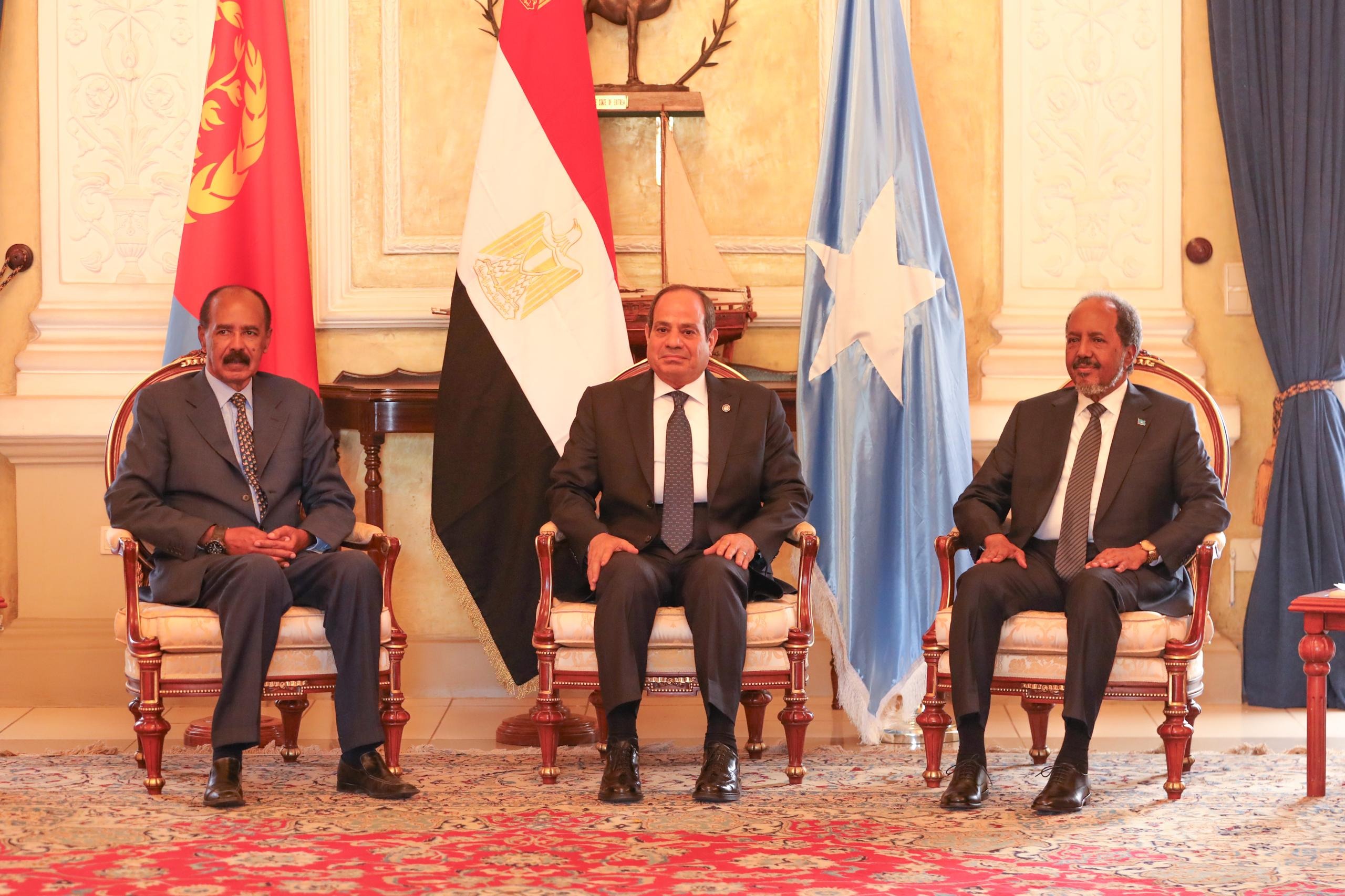
Egypt is hosting senior African leaders in New Alamein on Sunday, October 4, for the African Union’s eighth Mid-Year Coordination Meeting. President Abdel Fattah el-Sisi is scheduled to participate in the meeting as well as a separate four-way consultative summit involving Egypt, Eritrea, Sudan and Somalia. The meetings place New Alamein at the centre of regional discussions on African cooperation and issues affecting the continent.
The October 4 meeting follows the first Alamein Africa Forum, which has brought together government leaders, business representatives, investors and financial institutions. The wider programme runs from October 2 to October 4 and is designed to discuss investment, development and partnerships across Africa. Ahram Online reported that the forum is expected to involve more than 1,500 participants, including more than 20 heads of state and government or their representatives.
The African Union coordination meeting is an important part of Egypt’s regional role. The gathering allows African leaders to discuss common priorities and improve coordination between national governments and continental institutions. Egypt has also placed economic cooperation at the centre of the Alamein programme, with infrastructure, trade, digital development, health and emerging industries among the areas highlighted during the forum.
President el-Sisi’s schedule for October 4 includes the AU meeting in New Alamein and the four-way consultative summit. The presidency said the smaller summit will bring together the leaders of Egypt, Eritrea, Sudan and Somalia to discuss regional matters of common interest. Such talks are significant because the Horn of Africa continues to face political and security challenges, while developments in one country can quickly affect its neighbours.
The Alamein Africa Forum has also focused on the economic side of African cooperation. Its organisers have described the event as a permanent African business forum that will be held every two years in Egypt. The goal is to move beyond broad statements about development and encourage investment, financing and partnerships that can produce actual projects. This approach reflects the growing need for African countries to attract private capital while improving cooperation between governments and businesses.
Infrastructure is one of the areas expected to receive attention because many African economies need major investment in transport, energy and communications. Better regional connections can make it easier for goods and services to move between countries. Digital development is another important area, particularly as African governments and businesses seek to expand technology services and improve access to modern communications.
Health and emerging industries are also part of the wider discussion. African countries face different health needs and varying levels of access to medical services. At the same time, new industries linked to technology, digital services and critical minerals are creating opportunities for economic growth. Cooperation in these areas could help countries develop local industries rather than depending entirely on imports.
The political meetings are taking place against a complex regional background. African governments are dealing with conflicts, economic pressure, food security concerns and the need to create jobs for growing populations. Cooperation between neighbouring states and stronger continental institutions can help address some of these challenges, although agreements still require national governments to follow through after meetings end.
For Egypt, hosting the meetings gives Cairo an opportunity to strengthen its position as a centre for African dialogue and business. New Alamein has been developed as a major coastal city and is increasingly being used to host large regional and international events. Bringing political and economic meetings together allows Egypt to present the city as both a diplomatic and business destination.
The October 4 meetings will therefore combine political consultation with a wider discussion about Africa’s economic future. Leaders are expected to focus on cooperation, investment and regional issues while continuing discussions started during the Alamein forum. The outcome will be watched closely because African countries are seeking practical ways to strengthen economic links and respond collectively to regional challenges.
