


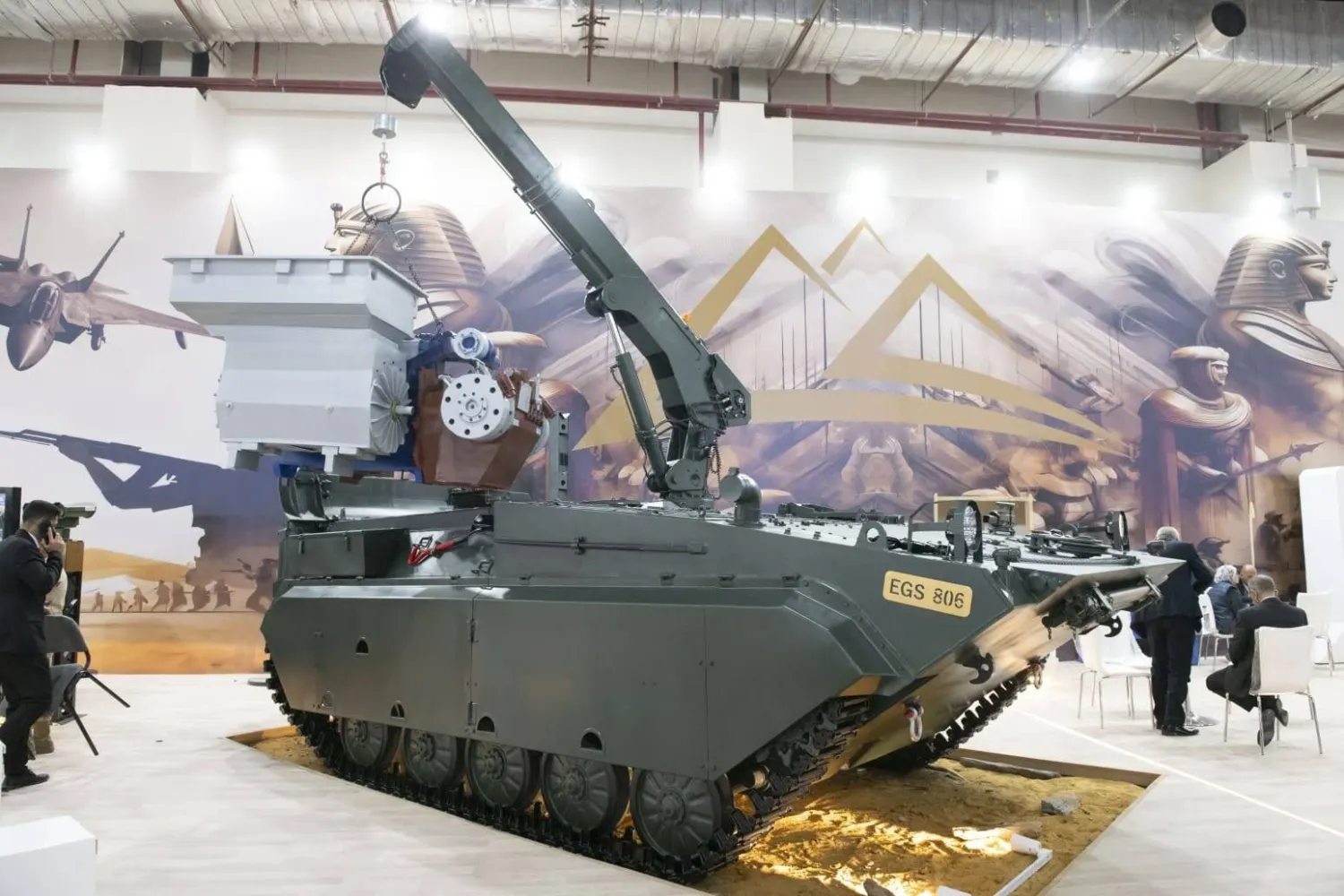
Egypt is moving fast to grow its local defense industry. The country wants to make more weapons at home. This includes armored vehicles, drones, and air defense systems. The goal is to reduce military spending and rely less on imports. Officials say this plan also supports long-term security. It also helps Egypt manage its foreign currency needs. The shift comes as global defense needs rise and supply chains face pressure.
Egypt currently has one of the lowest military spending rates in the Arab region. Data from Stockholm International Peace Research Institute shows defense spending at 0.61% of GDP last year. This is low compared to many other countries in the region. Analysts say this helps reduce budget pressure. It also supports economic stability.
Egypt’s armed forces are working on a wide modernization plan. The plan includes buying weapons from different countries and building joint production deals. Officials say this helps reduce risk from supply delays. It also improves access to modern military technology.
The government is pushing more local defense production. Minister of State for Military Production Salah Mostafa Gomblat said the focus is on localizing advanced technology. He said this will improve efficiency and reduce import costs. The plan also encourages cooperation with private companies.
According to Stockholm International Peace Research Institute, global military spending rose 2.9% to 2.887 trillion dollars. Algeria recorded the highest military spending share in the Arab world at 8.83% of GDP. Egypt remains much lower in comparison.
Egypt has recently showcased new weapons at the EDEX 2025 in Cairo. Systems include the Raad 300 rocket launcher and the Jabbar 150 drone. Officials say these systems show progress in local design.
The unveiling of the Jabbar 150 drew attention in Israel. Reports said security agencies are monitoring Egypt’s growing military technology. Analysts say this reflects regional security concerns.
Maj Gen Nasr Salem said Egypt is focusing on local weapons production to secure supply lines and reduce costs. He said modern wars use large amounts of weapons and ammunition.
Major General Samir Ragab said no country can fully rely on local weapons alone. He said Egypt will still import advanced systems. But local production improves flexibility and reduces pressure on foreign currency.
Overall experts say the strategy helps Egypt balance cost and security. It strengthens industry and supports long-term defense planning without heavy reliance on imports.
Egypt wants a stable supply of weapons parts. Imported weapons can face delays. Local factories can reduce this risk. This is important during conflicts or global tension. Officials say steady production helps the army plan better. It also reduces dependence on shipping routes that may be disrupted. This makes the defense system more reliable over time.
Egypt is also building partnerships with foreign defense companies. These include technology sharing and joint production lines. The goal is to learn advanced systems while building local skills. Countries like Sweden and France are important partners through existing defense ties. These links help Egypt improve design and production quality.
The economic impact is also important. Making weapons locally can reduce import bills. It can also save foreign currency reserves. This is important for a country managing trade needs. Local factories may also create jobs and support industry growth. Experts say this can help the wider economy.
Looking ahead Egypt aims to expand its defense sector further. Officials want more advanced systems made inside the country. The plan will take time and investment. But leaders say it is key for future security. The country hopes to reduce risks and strengthen independence in defense production.
Global competition in the defense industry is increasing. Many countries are investing in local weapons production. Egypt is joining this trend to stay competitive. Officials believe this will help the country respond faster to future threats. It also supports national planning and reduces reliance on outside suppliers. Experts say this shift is part of a wider global change in defense strategies.
