


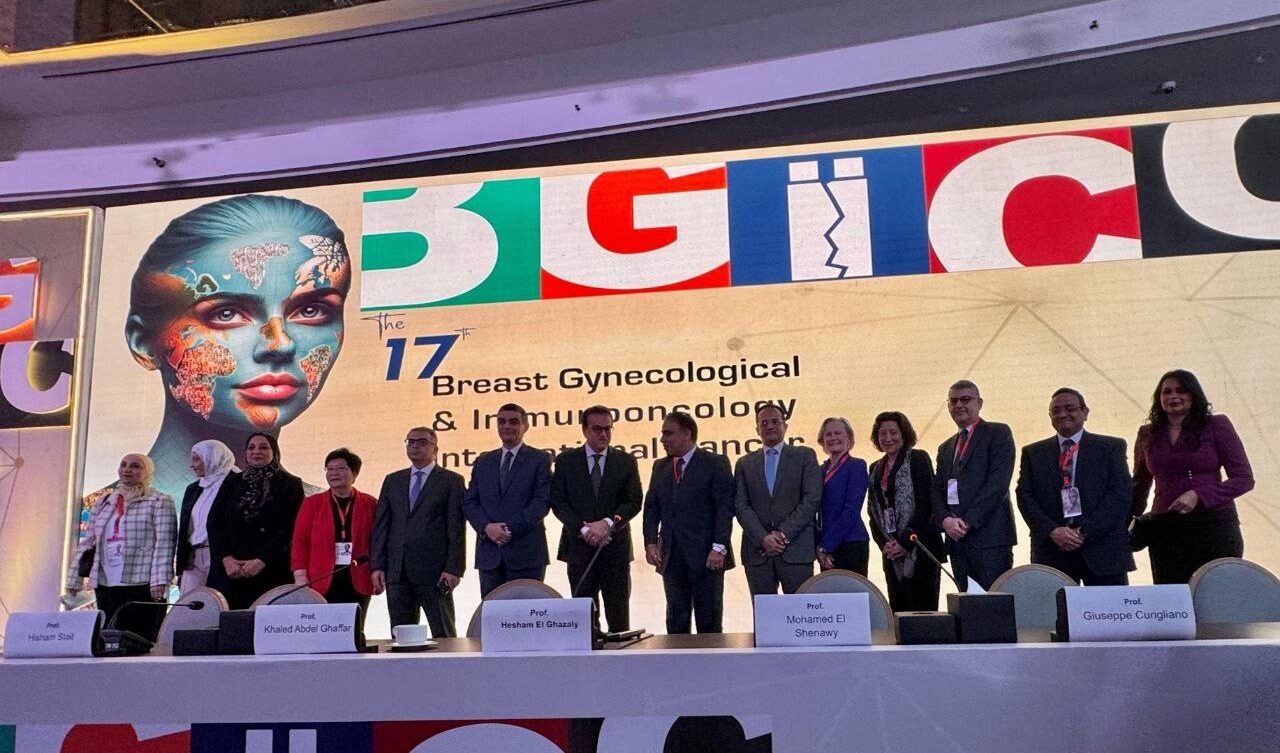
A major regional breast cancer conference begins in Cairo on Wednesday, September 30, bringing medical specialists and health professionals together for a programme focused on cancer treatment and implementation across Africa. The Regional Africa Best of St. Gallen Breast Cancer Conference 2026 is scheduled to run from September 30 to October 2 at the Hilton Cairo Grand Nile.
The first day includes pre-congress workshops covering digital pathology and basic radiotherapy. These sessions are designed to provide practical training and discussion before the main multidisciplinary programme begins. The conference will then continue with medical sessions on breast cancer treatment, diagnostics, surgery and patient care.
Breast cancer remains a major health issue across Africa, where access to early diagnosis and specialised treatment can vary between countries and regions. Medical conferences such as this one provide an opportunity for specialists to compare approaches and discuss ways to improve care.
The Cairo programme includes discussions on several types and stages of breast cancer. Topics include early and locally advanced disease, immunotherapy, triple-negative breast cancer and hormone receptor-positive and HER2-related cancers. The programme also includes pathology, molecular diagnostics, radiotherapy and surgical treatment.
Technology is another important part of the event. Digital pathology and emerging technologies can help doctors and health systems improve diagnosis and treatment planning. Digital systems can also support communication between specialists, especially where patients and experts are located in different places.
The conference has a strong African focus. Its organisers are bringing together specialists to discuss how international medical knowledge can be adapted to local healthcare systems. The goal is not simply to discuss new treatments but also to consider how those treatments can be implemented in different countries.
Health economics and access to care are also included in the programme. This is important because a treatment can exist scientifically without being available to every patient who needs it. Costs, medical infrastructure, trained staff and access to diagnostic equipment can all affect the quality of care.
The event also includes discussion of hereditary breast cancer and the role of genetics. Better understanding of hereditary risks can help medical professionals identify patients who may require additional assessment. Genetic information can also influence treatment decisions in some cases.
Radiodiagnosis and surgery form another part of the programme. Medical imaging is essential in identifying and monitoring breast tumours, while surgery remains an important part of treatment for many patients. Bringing specialists from different fields together can help promote a more coordinated approach.
The October 2 programme will include African implementation and consensus discussions. These sessions are intended to move beyond scientific presentations and examine how recommendations can be applied within African healthcare systems.
Cairo’s role as host also gives Egypt an opportunity to strengthen its position as a regional medical centre. The city regularly hosts international medical meetings involving specialists from Africa, the Middle East and other regions.
The conference is not a public treatment programme, and attendance does not replace individual medical care. Its main purpose is professional education, scientific discussion and cooperation among health specialists.
For Egypt and other African countries, the discussions can be valuable because cancer care depends on a chain of services. Early detection, diagnosis, pathology, surgery, medicine, radiotherapy and follow-up all need to work together.
The September 30 opening therefore marks the beginning of three days of medical discussion in Cairo. The programme combines specialist training with broader conversations about treatment access, technology and healthcare systems.
The event is expected to continue through October 2, when African consensus and implementation sessions will take place. The focus throughout the conference is on improving the practical delivery of breast cancer care across the region.
