


Hungary Links Support to Restored Pipeline
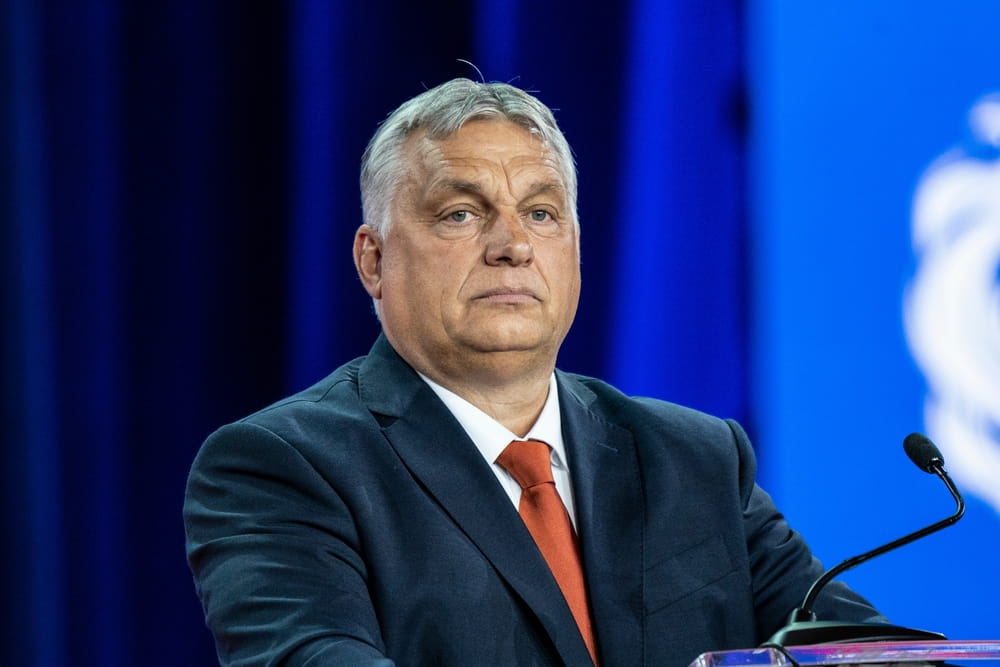
Hungary has made clear it will not back the European Union’s 20th sanctions package against Russia until oil shipments through the Druzhba pipeline resume. Prime Minister Viktor Orbán said after a meeting of the Energy Security Council that no additional EU war loans should be sent to Ukraine while Hungary’s own energy supplies remain disrupted.
Foreign Minister Péter Szijjártó confirmed that Budapest will block the new sanctions package, expected to be discussed by EU foreign ministers. He said Hungary is waiting for Ukraine to repair the Druzhba pipeline, reportedly damaged in a Russian strike, and restore oil flows before reconsidering its position.
Orbán also stated that a diesel delivery service halted earlier this week would not restart and that Hungary would oppose the release of a €90 billion EU war loan already approved for Ukraine.
Electricity Supplies Add to Tensions
Energy concerns go beyond oil. Nearly half of Ukraine’s electricity imports currently come from Hungary, a fact Szijjártó said requires careful handling. He warned that cutting supplies could also affect Hungarian citizens and ethnic Hungarians living in Ukraine’s Transcarpathia region.
Slovakia has taken a similar stance. Prime Minister Robert Fico said that if oil deliveries to Slovakia are not restored, he may ask the national electricity operator to halt emergency power exports to Ukraine. Oil shipments to both Hungary and Slovakia reportedly stopped at the end of January, with Kyiv attributing the disruption to a Russian drone attack on the Druzhba pipeline.
Kyiv Accuses Neighbors of Undermining Unity
Ukraine’s Foreign Ministry has strongly criticized Hungary and Slovakia, accusing them of issuing “ultimatums and blackmail” at a time when the country’s energy infrastructure is under relentless Russian attack. In a statement, Kyiv said such moves risk playing “into the hands of the aggressor” and threaten broader regional energy security.
Since Russia launched its full-scale invasion in February 2022, most European nations have sharply reduced or ended imports of Russian oil and gas. Hungary and Slovakia, however, secured temporary exemptions from the EU ban and have continued — in some cases expanded — their purchases.
Orbán, often described as the EU leader with the closest ties to the Kremlin, has repeatedly argued that Russian fossil fuels are essential for Hungary’s economy and that switching suppliers too quickly would cause severe economic damage — a claim disputed by some analysts. He has frequently challenged EU efforts to tighten sanctions on Moscow and has previously blocked or delayed military and financial assistance for Ukraine.
