


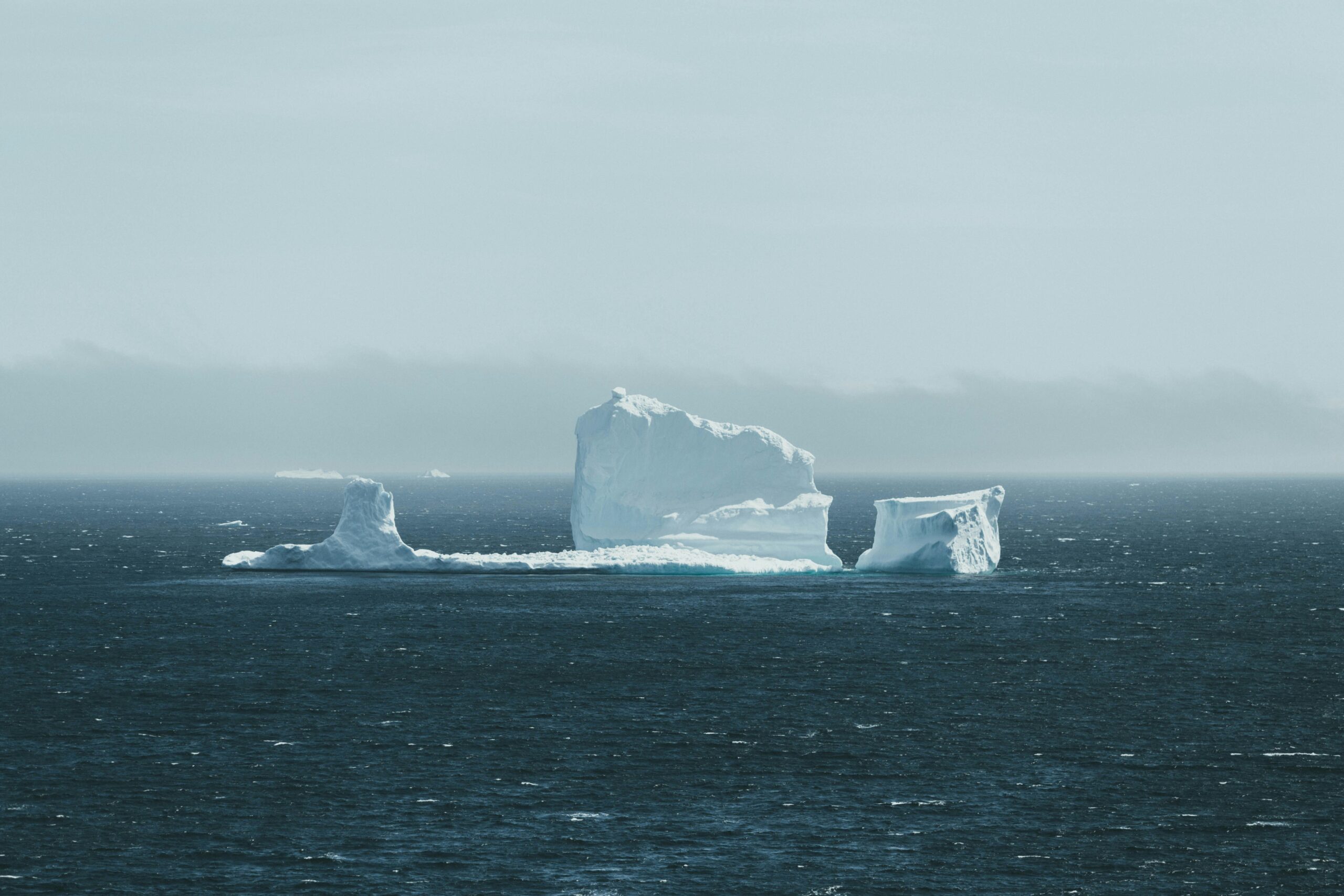
Antarctica, long considered Earth’s last great wilderness, is increasingly affected by human activity. Visitor numbers have surged from fewer than 8,000 annually in the 1990s to more than 124,000 in 2023–24, with projections suggesting up to 450,000 by 2034. During the 2024–25 season, 118,491 tourists travelled to the region, over 80,000 of whom set foot on the continent. Most arrive on smaller expedition vessels, while others observe from ship decks. Despite guidelines enforced by the International Association of Antarctica Tour Operators (IAATO), including limits on shore landings and biosecurity checks, tourism itself contributes to significant CO₂ emissions, with an average of 5.44 tonnes per passenger.
Pollution and Environmental Impact
A four-year study by researchers from Chile, Germany and the Netherlands found toxic metals such as nickel, copper, and lead are now ten times higher in areas with human activity than four decades ago. Tourism and research expeditions disturb wildlife, trample fragile flora, and increase the risk of introducing invasive species. Black carbon from ships, aircraft, and diesel generators darkens snow, reducing its reflectivity and accelerating melting. Scientists estimate that a single tourist can contribute to melting around 100 tons of snow, while a research mission can have ten times that impact. Although measures such as bans on heavy fuel oil, hybrid ships, and coordinated landings exist, experts warn that only a rapid transition to renewable energy and reductions in fossil fuel use can sufficiently mitigate the growing human footprint on Antarctica’s fragile ecosystems.
