


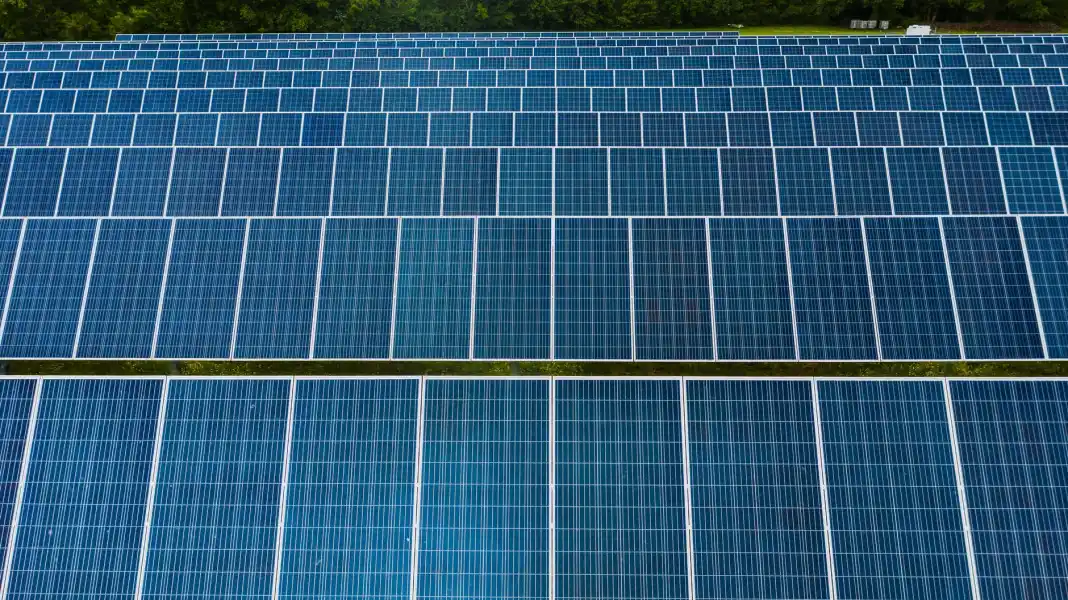
The Grand Egyptian Museum has taken a major step toward clean energy. A new solar power station has been launched at the museum complex in Cairo, Egypt. The move supports sustainability goals and modern energy use. The project was inaugurated with support from national and international partners. Officials say it marks a new phase for cultural sites and green energy use.
Egypt is pushing hard to expand renewable energy. The project supports Egypt Vision 2030. It focuses on clean growth and lower emissions. The Grand Egyptian Museum is used as a model for sustainable public buildings. It shows how heritage and modern energy can work together in one space.
The solar station uses advanced technology. Panels are installed around the museum perimeter. Building-integrated photovoltaic systems are also used. These are placed on the Solar Boats Building. The system helps produce stable clean electricity for daily use.
It currently produces 200 kilowatts of power. This meets about 12 percent of the museum’s electricity needs. Officials plan to expand the system to 1 megawatt in the future. The expansion will increase clean energy output and reduce grid dependence further.
Annual clean electricity generation is estimated at 168,000 kilowatt-hours. The system is also expected to cut carbon emissions by about 79 tons each year. This helps Egypt reduce environmental impact and fight climate change. The museum becomes a strong example of low-carbon cultural infrastructure.
A unique feature is the design integration. Some solar panels are made to look like marble. This helps the system blend with the museum’s architecture. It is the first time this design approach is used in Egypt. The goal is to keep historical beauty intact while using modern energy tools.
The inauguration ceremony brought together officials from Egypt, the United Nations Development Programme, and the Government of Japan. They highlighted the importance of global cooperation in climate action. Leaders said the project shows how international support can help local sustainability goals.
The museum is also preparing a carbon footprint report. This will track emissions and energy performance. It will help identify areas for improvement. The data will guide future sustainability upgrades for the museum complex.
Through cooperation between Egypt, UNDP, and Japan, the project was developed successfully. Partners say such cooperation is essential for global climate solutions. It also supports knowledge sharing and green technology adoption across regions.
The Grand Egyptian Museum is expected to welcome millions of visitors. The solar project strengthens its role as a cultural and innovation hub. It combines history, tourism, and sustainability in one place. Officials say it sets a model for museums across Africa and the Middle East.
Officials believe the solar project will support long-term energy savings. It will reduce electricity costs for the museum. It will also improve energy stability during peak visitor seasons. The system is designed for reliability and low maintenance. This ensures continuous operation for daily museum activities.
It will also support Egypt’s tourism sector. The museum is a major attraction in Cairo. Cleaner operations improve its global image. Visitors will experience a modern and sustainable site. This aligns with international standards for green tourism development.
The project also encourages education and awareness. It shows how renewable energy can be used in public spaces. It may inspire other cultural sites to adopt similar systems. This could increase clean energy adoption across the region.
Experts say the integration of solar power at heritage sites is a growing trend. It balances preservation with innovation. The Grand Egyptian Museum project is seen as a leading example. It combines cultural protection with climate responsibility.
With this step, the Grand Egyptian Museum strengthens its position as both a cultural landmark and a sustainability leader. The project shows that major heritage sites can adopt clean energy without losing their identity. Officials expect more green upgrades in the future as Egypt continues its energy transition.
