


An Egypt–Italy cargo corridor is gaining strong momentum as companies search for safer and faster trade routes amid ongoing disruptions in global shipping lanes. The new logistics link is helping reroute goods between Europe and the Gulf region through Egypt’s strategic ports.
The service connects the Egyptian port of Damietta on the Mediterranean Sea with the Italian port of Trieste. From Italy, cargo is shipped to Egypt and then transported overland to Safaga on the Red Sea. From there, goods continue by sea to Gulf markets, including the United Arab Emirates, Kuwait, Oman, and Qatar.
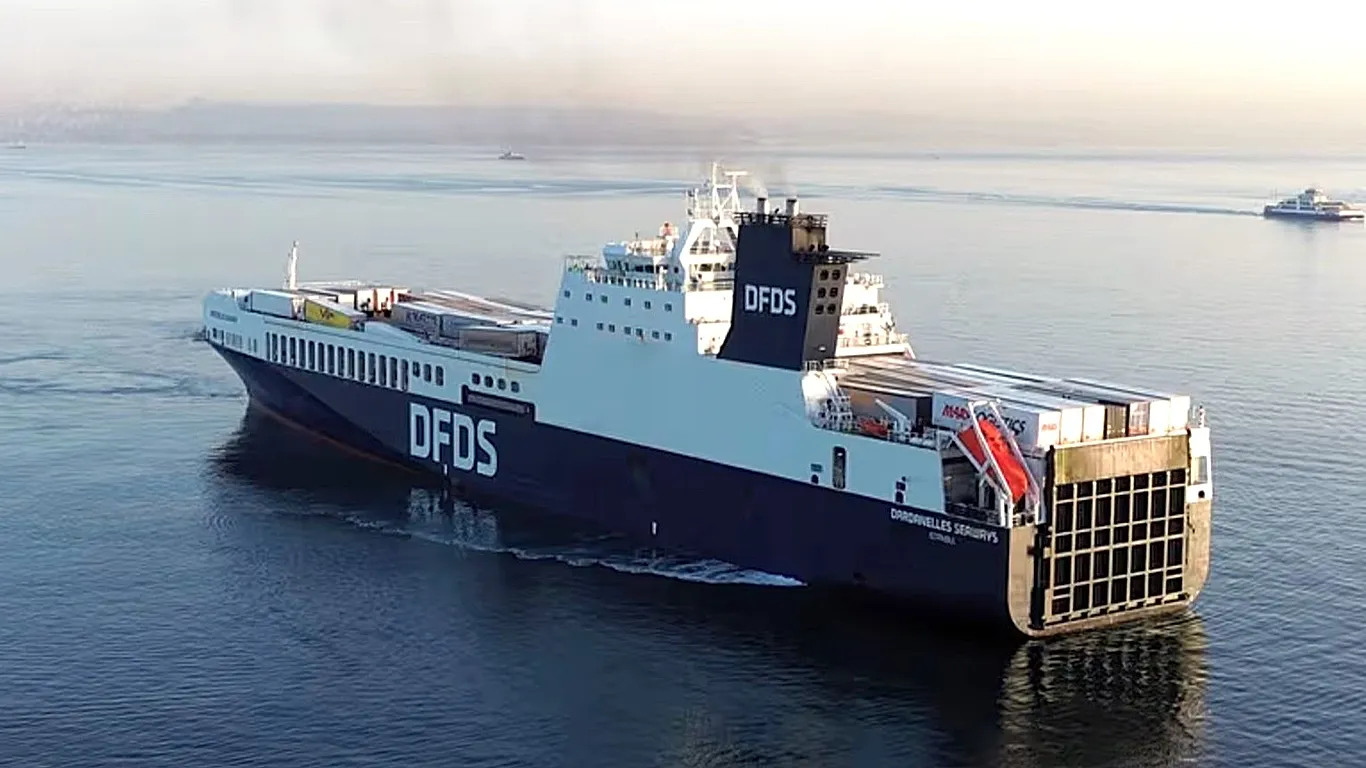
This Egypt Italy cargo route uses a roll-on/roll-off (Ro-Ro) system. It allows trucks carrying goods to be driven directly onto ships and then off again at their destination. This reduces unloading time, speeds up transport, and simplifies the movement of cargo across borders.
The route began operations in late 2024. Since then, it has started attracting more attention from logistics companies and exporters. Businesses are increasingly using it as an alternative to traditional shipping lanes that are facing instability and delays.
One major factor behind the growing demand is disruption in key maritime routes, including areas like the Strait of Hormuz. This route handles around one-fifth of global energy shipments, making it highly important for international trade. Any instability in such regions pushes companies to look for safer options.
The Egypt Italy cargo route offers a more stable alternative by avoiding some of these high-risk maritime areas. It provides a combination of sea and land transport that reduces exposure to delays and geopolitical risks.
Recent shipments through the corridor have already included food products and industrial goods. This shows that the route is not only operational but also scaling up in real trade activity. Logistics companies see it as a practical solution for faster delivery between Europe and Gulf markets.
The service also benefits from simplified customs procedures. Certain transit goods are exempt from complex processing, and digital systems help speed up clearance. This reduces waiting times at ports and lowers overall transport costs for companies.
Egypt is promoting the corridor as part of its broader strategy to become a regional logistics hub. The country is using its geographic position between Europe, Africa, and the Middle East to strengthen its role in global supply chains.
By linking Mediterranean and Red Sea ports, Egypt offers a direct bridge between Europe and Gulf markets. This creates an alternative trade path at a time when global shipping networks are under pressure.
Officials and logistics experts say the Egypt Italy cargo route could become an important long-term trade channel. It supports faster movement of goods and offers more flexibility for international shipping companies.
As global trade routes continue to face uncertainty, demand for diversified logistics corridors is expected to grow. The Egypt–Italy connection is now emerging as one of the key options in this shift toward alternative global supply chains.
