


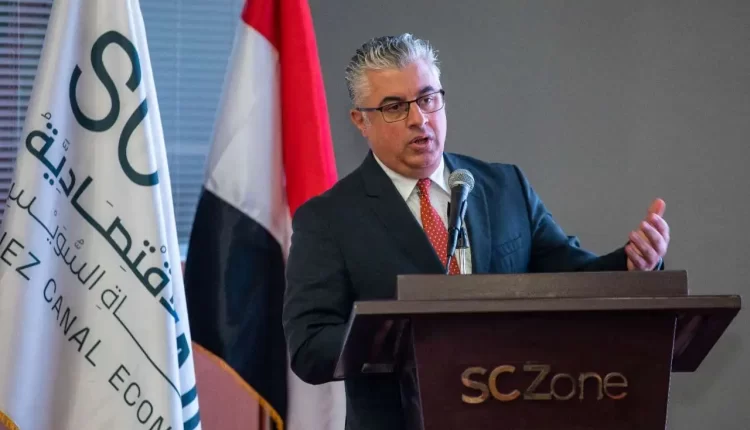
Egypt Turkey textile investment has received a new boost after Egypt’s Suez Canal Economic Zone (SCZONE) signed a $6.5 million agreement with Turkey’s Atesan Tekstil. The deal will support a new textile project in the West Qantara Industrial Zone and strengthen industrial cooperation between the two countries.
The agreement was announced by SCZONE on Thursday. It confirms that the Turkish company will develop a textile manufacturing project focused on woven fabrics. The project will be built on a 20,000-square-metre site in West Qantara. Officials say it will support Egypt’s plan to expand its industrial base and attract foreign investment.
The project is expected to create around 200 direct jobs. These jobs will include production roles, technical positions, and support services. Authorities say this will also create indirect employment in supply chains, transport, and related industries. The development is seen as a positive step for local job creation.
SCZONE Chairman Waleid Gamal El-Dien said West Qantara is developing into a major industrial hub. He explained that the zone now hosts industries such as textiles, ready-made garments, food processing, logistics, and services. The new investment adds to this growing industrial ecosystem.
The Egypt Turkey textile investment reflects stronger economic ties between Cairo and Ankara. In recent years, both countries have increased cooperation in trade and industry. Textile manufacturing has become a key area of focus due to its export potential and job creation capacity.
West Qantara’s location is considered strategic. It lies near key transport routes connected to the Suez Canal. This gives companies easier access to global shipping lanes. Investors see this as an advantage for exporting goods to international markets.
Egypt has been working to attract more foreign investment into industrial zones. The government aims to boost manufacturing, increase exports, and reduce imports. Textile production is one of the sectors targeted for growth due to Egypt’s strong labor base and geographic position.
The SCZONE has played a central role in this strategy. It offers incentives such as simplified procedures, infrastructure support, and access to logistics networks. These measures are designed to make Egypt more competitive in global manufacturing.
Atesan Tekstil’s investment adds to a growing list of foreign companies entering Egypt’s textile sector. Industry experts say global firms are showing increased interest in Egypt due to lower production costs and access to regional markets.
Officials believe the Egypt Turkey textile investment will help strengthen industrial output in West Qantara. The project is expected to support export growth in the textile sector. It will also help develop skilled labor in manufacturing and production technologies.
The textile industry is one of Egypt’s oldest industrial sectors. It plays an important role in employment and exports. The government has been working to modernize the sector by encouraging new technology and foreign partnerships.
SCZONE officials say more investment deals are expected in the coming months. They are focusing on expanding industrial zones and attracting companies from Asia, Europe, and the Middle East. West Qantara is seen as one of the key areas for future growth.
Experts say this type of investment helps build long-term economic stability. It increases industrial output and creates jobs in multiple sectors. It also strengthens trade links between Egypt and partner countries like Turkey.
The Egypt Turkey textile investment is part of a broader trend of growing economic cooperation. Both countries are focusing on expanding trade and industrial partnerships despite past political differences. Economic ties have remained strong due to shared business interests.
With new projects like the West Qantara textile facility, Egypt continues to position itself as a regional manufacturing hub. The combination of strategic location, government support, and foreign investment is expected to support long-term industrial growth.
