


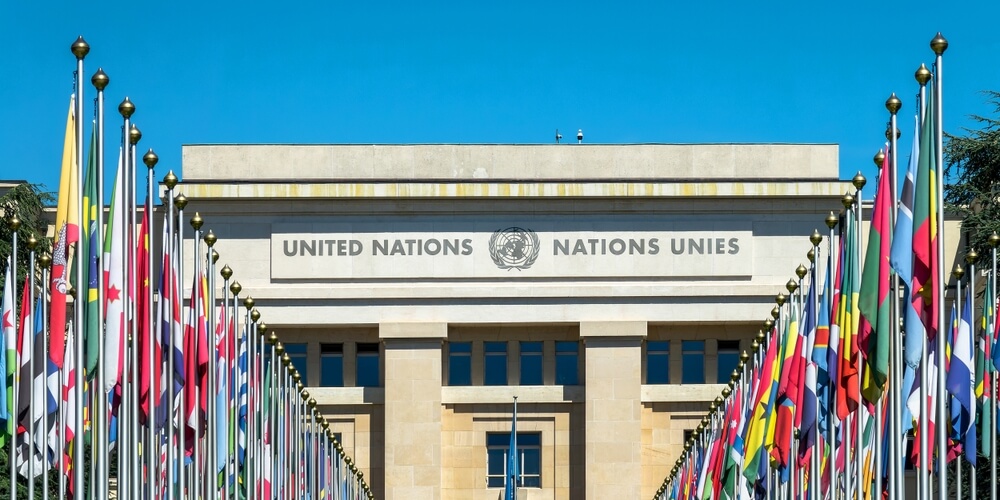
United Nations Secretary-General Antonio Guterres has issued a stark warning to member states, saying the organisation is on course to run out of money as early as July unless governments urgently meet their financial obligations.
In a letter sent on Friday, Guterres said the UN is facing a mounting financial crisis driven by late and incomplete payments, forcing the organisation into hiring freezes and spending cuts that threaten its ability to function.
Funding Gaps Push UN Toward the Brink
Guterres said chronic budget shortfalls stem from some countries failing to pay their mandatory contributions in full or on time. He warned that without swift action, the UN could face an “imminent financial collapse.”
“Either all member states honour their obligations to pay in full and on time, or member states must fundamentally overhaul our financial rules,” he wrote.
The situation has worsened over the past year. By the end of 2025, unpaid contributions had reached around $1.6 billion—more than double the amount recorded in 2024—even though more than 150 countries had paid their dues.
US Cuts and Political Tensions Add Pressure
The warning comes as the Trump administration has reduced funding to several UN agencies and delayed or rejected some mandatory payments. President Donald Trump has repeatedly questioned the relevance of the UN and criticized its priorities, while promoting his own “Board of Peace,” which critics see as a potential rival to the global body.
At the same time, deepening tensions between the United States, Russia and China—each holding veto power on the Security Council—have left the council increasingly paralysed, further straining the organisation’s effectiveness and credibility.
“A Kafkaesque Cycle” of Financial Strain
Adding to the problem, the UN is required to reimburse member states for unspent funds, even when it lacks the cash to do so. Guterres described the situation as a “Kafkaesque cycle,” saying the organisation is expected to return money that simply is not there.
“The current trajectory is untenable,” he wrote. “Unless collections drastically improve, we cannot fully execute the 2026 programme budget approved in December.”
In his final annual address before stepping down in 2026, Guterres painted a bleak picture of the global landscape, citing deep geopolitical divisions, violations of international law and sweeping cuts to development and humanitarian aid—an apparent reference to reductions tied to the Trump administration’s “America First” agenda.
Without urgent financial reform or renewed commitment from member states, Guterres warned, the UN’s ability to carry out its mission could soon be at serious risk.
