


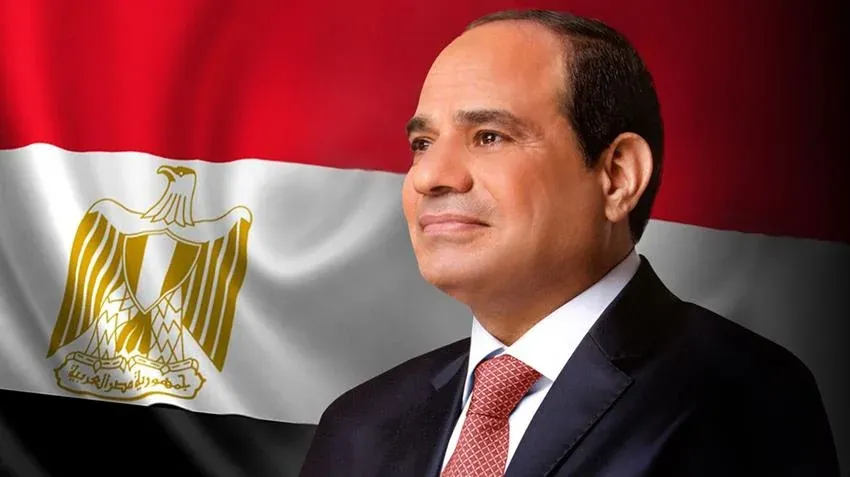
Egyptian President Abdel Fattah El-Sisi has reviewed the country’s economic and social development plans for the 2026–2027 fiscal year during a meeting with Prime Minister Mostafa Madbouly and Planning and Economic Development Minister Ahmed Rustom. The meeting focused on the government’s growth targets, investment priorities and efforts to improve the country’s business environment. According to the presidential statement, the government is targeting economic growth of up to 5.4 percent, with total planned investments reaching approximately 3.7 trillion Egyptian pounds. The figures reflect Cairo’s intention to strengthen economic activity while encouraging greater participation from private companies and domestic investors.
During the meeting, the planning minister outlined steps being taken to improve the legal and legislative framework governing investment. The government wants to provide stronger protection for investors and make it easier for businesses to operate in Egypt. Officials also reviewed structural reforms connected to the State Ownership Policy Document and the Government Initial Public Offering Programme. These initiatives are intended to create more opportunities for private-sector companies by reducing the state’s direct role in selected economic activities and expanding the participation of private investors.
The president also followed up on the National Programme for Economic Transformation covering the period from 2027 to 2030. The programme is expected to provide a longer-term framework for economic reform, investment and changes to the country’s production structure. Egypt has been seeking to attract more foreign capital, increase exports and strengthen industries that can generate employment and bring additional foreign currency into the economy. The government has also focused on improving infrastructure and expanding opportunities in sectors such as manufacturing, transport, energy and digital services.
The investment target of 3.7 trillion pounds represents a major commitment, but the success of the plan will depend on how effectively the proposed projects are implemented. Businesses will be watching for improvements in regulations, financing conditions and the availability of foreign currency. Egypt is also working to maintain economic stability while responding to international financial pressures. The latest presidential meeting demonstrates that the government intends to keep economic transformation at the centre of its national agenda, with private investment and structural reform expected to play important roles in achieving its growth ambitions.
