


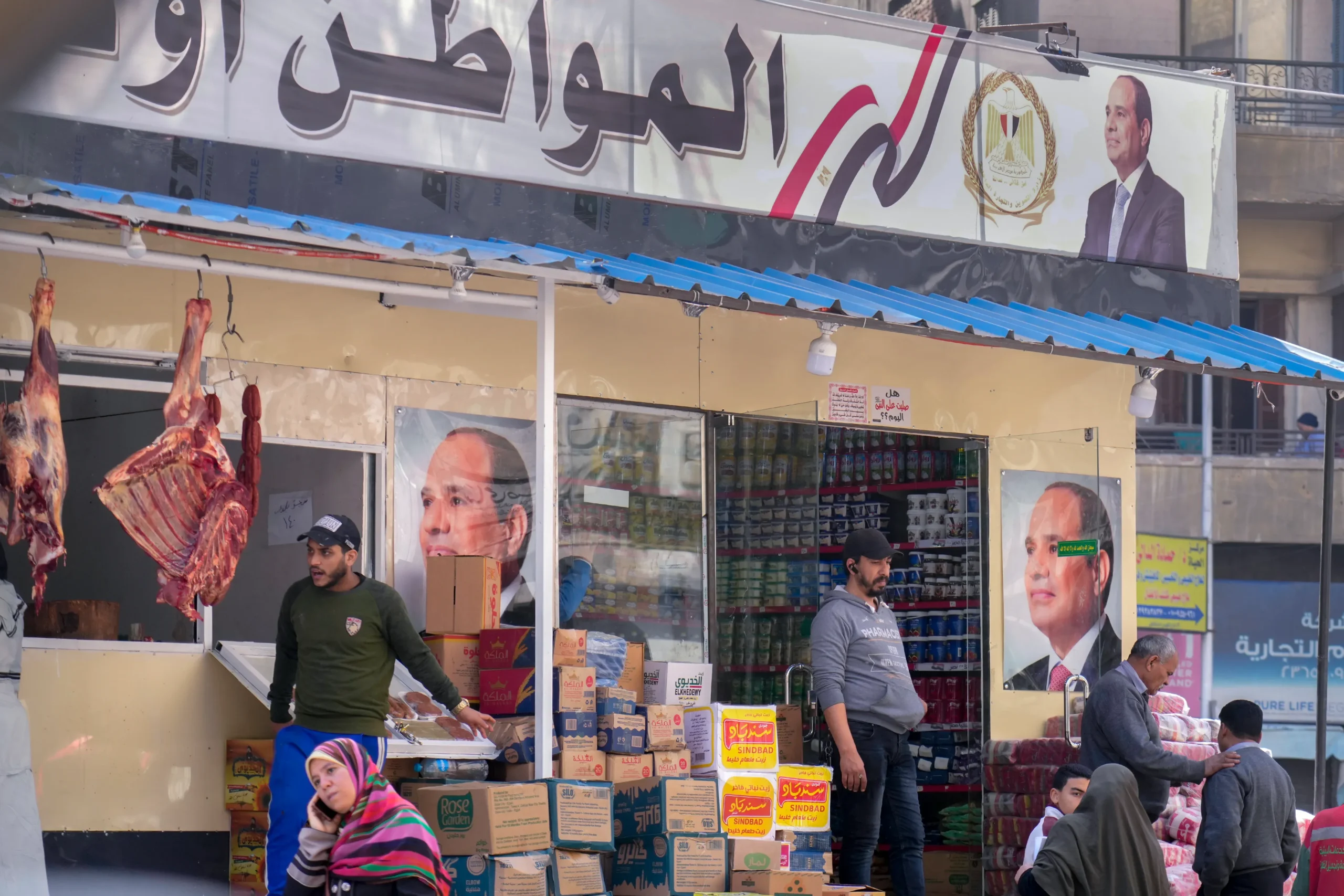
Egyptian President Abdel Fattah El-Sisi has met Prime Minister Mostafa Madbouly and Central Bank Governor Hassan Abdallah to review the country’s economic performance and discuss upcoming financial reforms. The meeting took place on Monday, November 9, as the government continues efforts to control inflation, strengthen foreign currency reserves and improve financial stability.
According to the presidency, the discussions covered several important economic issues, including the need to attract more foreign currency, reduce inflation and maintain stability in the banking sector. The government and central bank are working to strengthen the economy while dealing with difficult regional and international conditions.
One of the key figures presented during the meeting was Egypt’s foreign exchange reserve level. The Central Bank governor said reserves reached a record $57.5 billion at the end of October 2026. Net foreign assets in the banking sector also reached their highest level since 2011, according to the official statement.
Foreign currency reserves are important because they help a country pay for essential imports, meet international obligations and respond to pressure on its currency. For Egypt, maintaining sufficient reserves is particularly important because the country imports a large amount of food, fuel and industrial materials.
El-Sisi stressed that the government and central bank must continue working together to protect the country’s ability to secure essential goods. He also called for careful management of financial risks and stronger coordination between public institutions.
The meeting also addressed digital financial services. The Central Bank’s board of directors has approved a regulatory framework for a Digital Financial Identity system. The system is intended to support the expansion of digital banking and financial inclusion by making it easier for customers to access services through secure digital identification.
The president called for a balance between adopting new technology and investing in people. He said the banking sector must strengthen cybersecurity, improve governance and develop risk management systems to protect financial institutions and customers.
Digital transformation is becoming increasingly important for Egypt’s financial sector. More people are using electronic payments and online banking, while institutions are introducing new services to make transactions faster and more accessible.
The government now faces the challenge of turning stronger reserve figures and financial reforms into lasting improvements for households and businesses. Controlling inflation, maintaining currency stability and encouraging investment will remain central to Egypt’s economic plans.
