


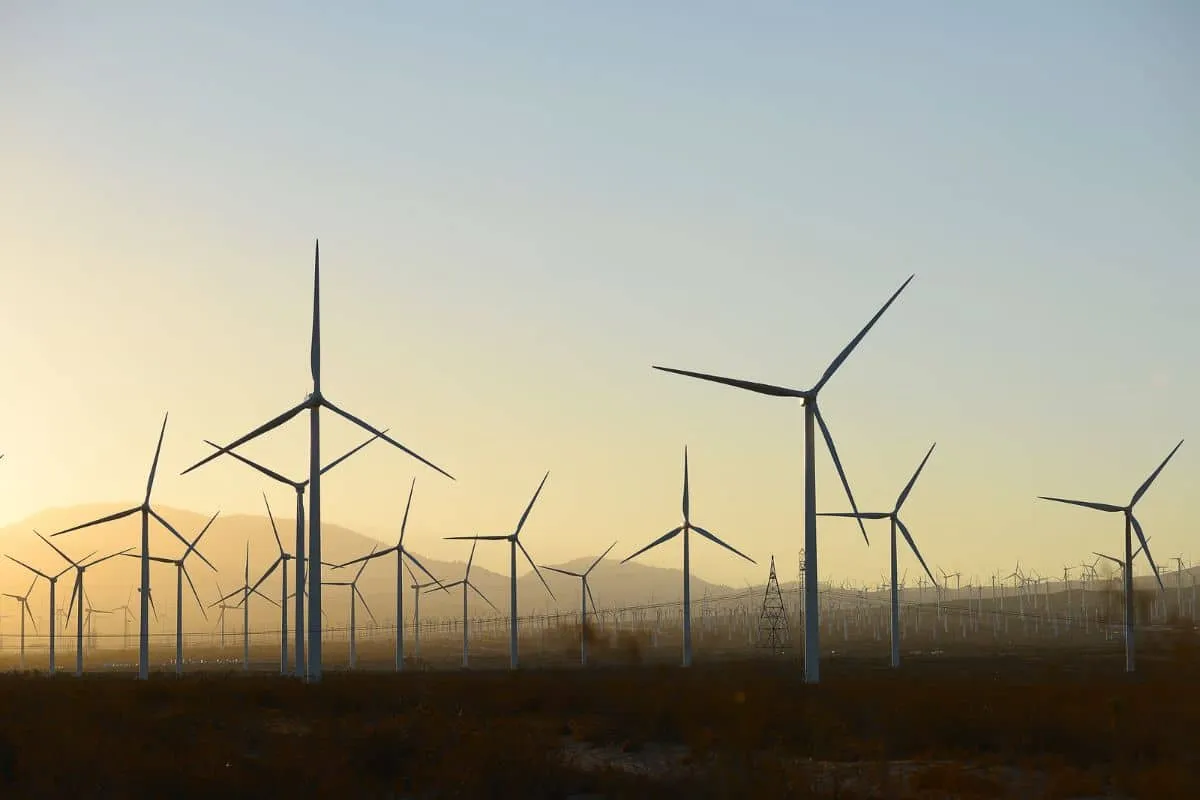
Egypt has secured $436 million in financing for two large wind power projects on the Red Sea coast, marking another step in the country’s efforts to expand renewable energy and reduce its dependence on gas-fired electricity.
The financing was secured by Alcazar Energy Partners for two projects known as Niat and Rasgha. Each wind farm is expected to have an installed capacity of 250 megawatts, giving the developments a combined capacity of 500 megawatts. The projects are located in the Ras Ghareb area, which has strong wind resources and has become an important location for renewable energy development.
The European Bank for Reconstruction and Development, the European Investment Bank and Germany’s development finance institution DEG are each expected to provide one-third of the debt financing. The participation of these institutions highlights international support for Egypt’s energy transition and the wider role of foreign investment in major infrastructure projects.
The two wind farms are expected to begin operating by the end of 2028. Once completed, they could generate more than 2.3 terawatt-hours of electricity each year. This amount is estimated to be enough to supply around 1.2 million homes.
Egyptian Electricity Transmission Company will purchase the electricity through long-term agreements lasting 25 years. The reported power price is three US cents per kilowatt-hour, which is lower than the cost of electricity produced from gas. This could help reduce pressure on the country’s energy system while providing a more predictable supply price.
Siemens Gamesa is expected to supply and maintain the wind turbines, while Orascom Construction will carry out civil and electrical works. The involvement of established companies is intended to support construction and long-term operation.
The projects come as Egypt works towards its target of producing 45 percent of its electricity from renewable sources by 2028. The country has faced pressure from fuel supply challenges, rising energy costs and the need to meet growing domestic demand.
Alcazar Energy is also pursuing a separate $420 million agreement to upgrade and operate the 580-megawatt Gabal El Zeit wind complex. Together, the developments could strengthen Egypt’s position as a major renewable energy market in the region.
The new financing is important because it supports both electricity production and long-term investment. If the projects meet their planned schedule, they could provide additional clean power, support industrial activity and reduce the need for imported fuel.
