


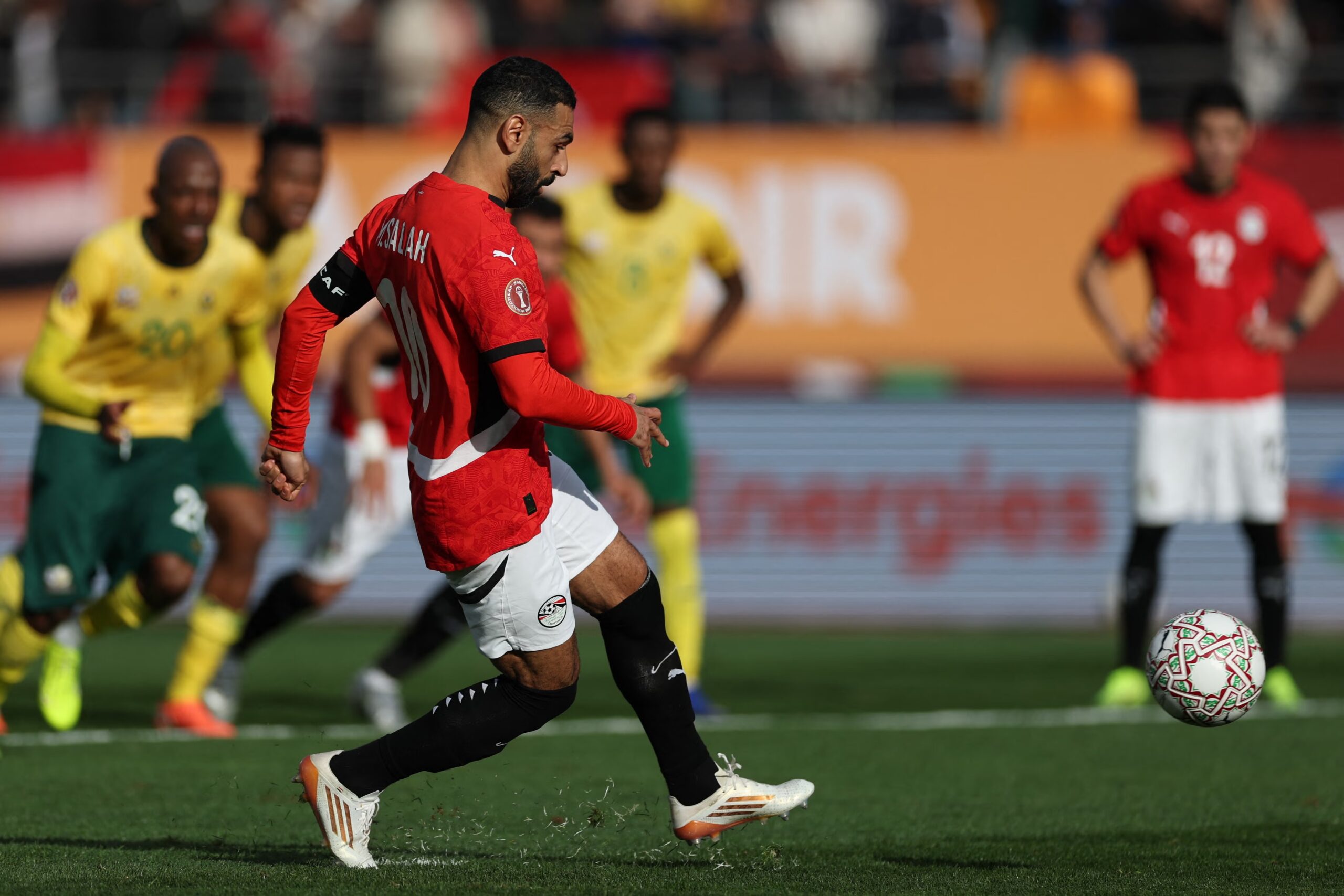
Egypt suffered a 1-0 defeat to South Africa in a friendly match at Cairo International Stadium on Sunday, with the result reported on October 5. The game ended Egypt’s October camp on a disappointing note after the team had earlier recorded a convincing victory over South Sudan. South Africa’s win also gave new coach Pitso Mosimane a positive result as he begins his work with the national team.
The match attracted significant attention because Egypt captain Mohamed Salah was absent. His absence had already been a major topic before the game, and the team struggled to find the same attacking strength without one of its most important players. South Africa took advantage of the opportunity and secured the only goal of the match.
Egypt had entered the friendly after a strong 5-0 victory over South Sudan in Africa Cup of Nations qualifying. That result had given coach Hossam Hassan reason to feel positive about the team’s progress. The South Africa match was different because it was a friendly and allowed the coach to test players and tactical combinations before future competitive fixtures.
South Africa also had clear reasons to take the game seriously. Mosimane recently returned to the national team setup after being appointed coach, and the match provided an opportunity to assess his players against a strong African opponent. A victory in Cairo gives the new coach a useful early result and may help build confidence as he develops his plans.
The absence of Salah was especially important for Egypt because he is a key source of goals and attacking creativity. The captain had played an important role in previous national team matches, but concerns over his availability meant he was not involved against South Africa. Egypt therefore had to rely on other attacking players to create chances and provide the finishing needed to break down the visitors.
South Africa defended well and remained organised throughout the match. Egypt had opportunities but could not convert them into a goal. The visitors eventually held onto their advantage and finished the October camp with a notable away victory. For Mosimane, the result provides an encouraging start to his latest period in charge of the national team.
Friendly matches can be useful even when the result is disappointing. Coaches can examine different formations, give players more experience and identify weaknesses that need to be corrected before competitive matches. Hassan will therefore have plenty to consider after the defeat, especially regarding Egypt’s ability to create chances when Salah is unavailable.
Egypt’s main priority remains its competitive programme. The team made a strong start to its Africa Cup of Nations qualifying campaign and will want to maintain that progress. The South Africa defeat does not directly change the qualifying standings because the match was a friendly, but it can still provide useful information for the coaching staff.
The game also gave South Africa an important test outside its own home environment. Playing in Cairo against a strong Egypt side allowed Mosimane to see how his players responded to pressure and possession. The victory suggests that the team can compete effectively against major African opponents, although future competitive matches will provide a stronger measure of progress.
For Egyptian supporters, the result was frustrating because expectations had risen after the 5-0 victory over South Sudan. However, the friendly also highlighted the importance of squad depth. A national team cannot always depend on one star player, particularly when international schedules and club commitments create uncertainty over availability.
October 5 therefore brings mixed feelings for Egypt. The team leaves the camp with one major qualifying victory but also a home defeat against South Africa. For Mosimane, the situation is more positive as he begins his new period with a win. Both teams will now turn their attention to future competitive commitments and use the lessons from the Cairo match to improve.
