


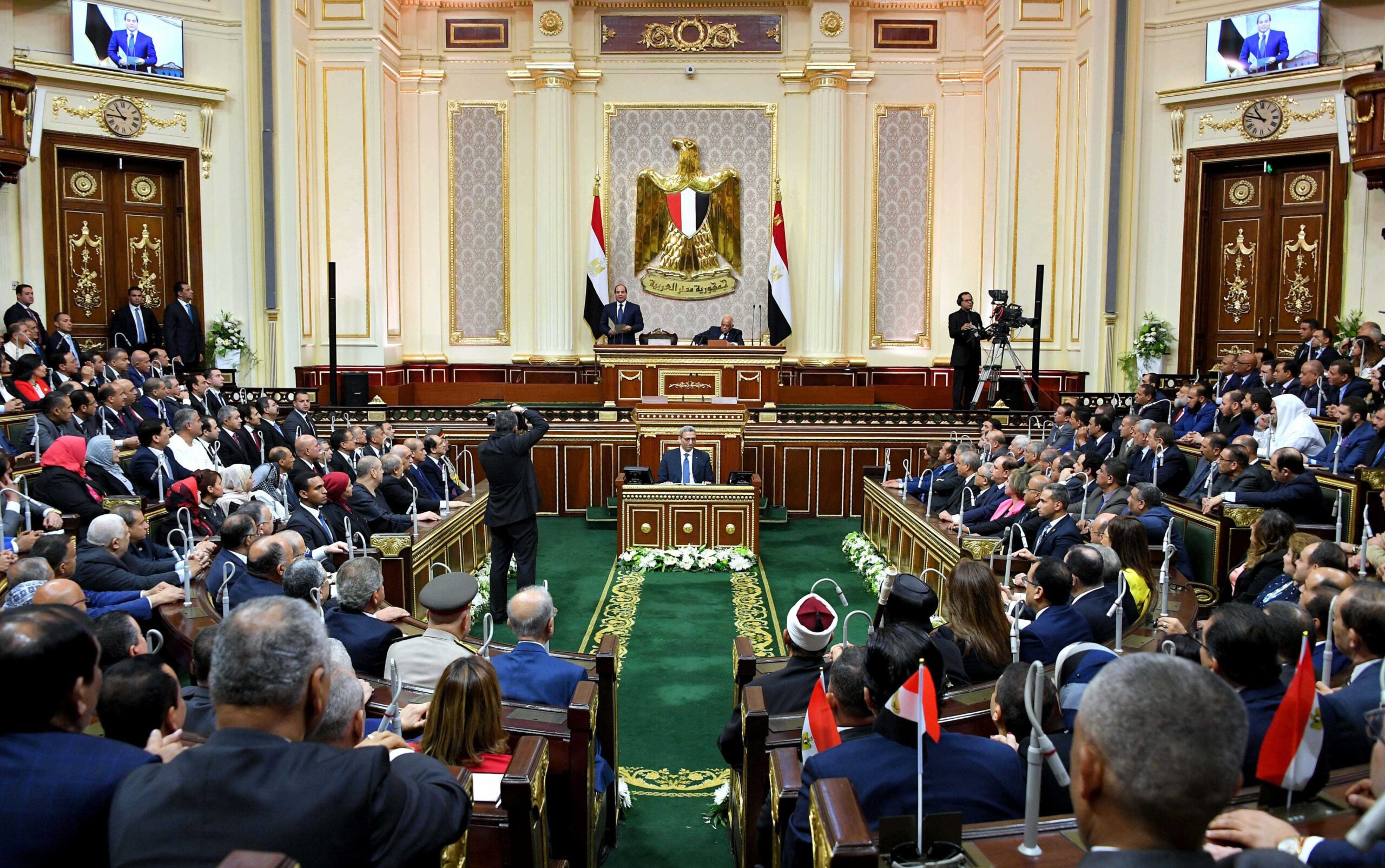
Egypt’s House of Representatives is holding an emergency session in Cairo on Wednesday, September 30, following a presidential decree calling lawmakers back for urgent proceedings. The session is scheduled for 11 a.m. and follows a decision by President Abdel Fattah El-Sisi to convene parliament. Egyptian authorities announced the session on September 29, making September 30 the confirmed date for the meeting.
The emergency session is connected to a government proposal concerning the implementation of Egypt’s new Criminal Procedure Law. According to Egypt’s official Nile News report, parliament’s constitutional and legislative affairs committee was also instructed to hold an emergency meeting before the full session. The committee meeting was scheduled for 10 a.m., one hour before the House of Representatives was due to convene.
The timing of the session is significant because the proposed change is linked to the start of the new legal framework. Parliament has been asked to consider a government proposal to postpone implementation of the Criminal Procedure Law before it takes effect. This places the issue directly before lawmakers on September 30.
Emergency parliamentary sessions are different from normal legislative meetings because they are called to address matters requiring action outside the ordinary schedule. The presidential decree provides the formal basis for the House to meet, while parliamentary committees examine the relevant issue before lawmakers debate it.
The Criminal Procedure Law concerns the legal process used in criminal cases. Changes to such legislation can affect procedures involving investigations, prosecutions, trials and the rights and responsibilities of different parties within the justice system. Because of that, the timing of implementation can have broad legal consequences.
The decision to call parliament comes as Egypt is dealing with several domestic and regional issues. President El-Sisi has recently held meetings with senior government officials, military and police leaders and other representatives to discuss national challenges. The government has also been dealing with economic pressures and regional security concerns.
The emergency session provides lawmakers with a formal setting to consider the government’s proposal. The constitutional and legislative affairs committee is expected to examine the matter before or alongside the wider parliamentary discussion. The outcome will determine how the government proceeds with the implementation timetable.
The session is also being watched because the law was scheduled to become operational at a specific point. Any decision to postpone its implementation would therefore have a direct effect on the legal timetable. The government has not simply left the matter to administrative action; instead, it has asked parliament to consider the change.
For Egyptian citizens, changes to criminal procedure can be important because the law establishes rules governing how criminal cases are handled. Legal professionals, courts and government agencies may also need to adjust procedures when a new framework enters force.
The emergency nature of the meeting means the issue is receiving attention beyond the normal parliamentary calendar. Members of the constitutional and legislative affairs committee were instructed to attend their meeting because of the importance of the matter.
The House’s decision will become clearer after the September 30 session. Until lawmakers complete their proceedings, the final outcome should not be assumed. The important confirmed fact is that parliament has been formally called to meet on Wednesday morning to consider the government’s proposal.
The development also shows how legal changes can require coordination between the presidency, government and parliament. The presidential decree convenes the House, the government submits the proposal, parliamentary committees examine it and lawmakers consider the matter during the emergency sitting.
Egypt’s September 30 parliamentary session is therefore focused on a specific legal issue rather than a routine legislative programme. The decision reached by lawmakers could determine whether the Criminal Procedure Law takes effect as originally planned or whether its implementation is postponed.
