


Egypt has issued a fresh warning to Ethiopia over plans for new dams on the Nile, saying Cairo will not accept steps that could put its water supply at risk.
Egyptian Foreign Minister Badr Abdelatty said on Wednesday that his country would reject any new unilateral action on the Nile. He also said Egypt has the right to protect its water interests and national security.
The warning adds new pressure to a long dispute between Egypt and Ethiopia. The two countries have been at odds for years over the use of Nile water and Ethiopia’s Grand Ethiopian Renaissance Dam, known as GERD.
Egypt depends heavily on the Nile for its water needs. This makes any major change in the river’s flow a key issue for Cairo.
Abdelatty said Egypt would not accept new dams built on the river without an agreement. He also said any deal on the Nile must be legally binding for all sides.
The latest warning comes as concern grows in Egypt over reports of more dam plans in Ethiopia. Cairo says such projects could give Ethiopia greater control over water that flows toward Sudan and Egypt.
Ethiopia has long said that it has the right to use its water resources for development. Addis Ababa sees hydropower as a key part of its plans to expand electricity access and support economic growth.
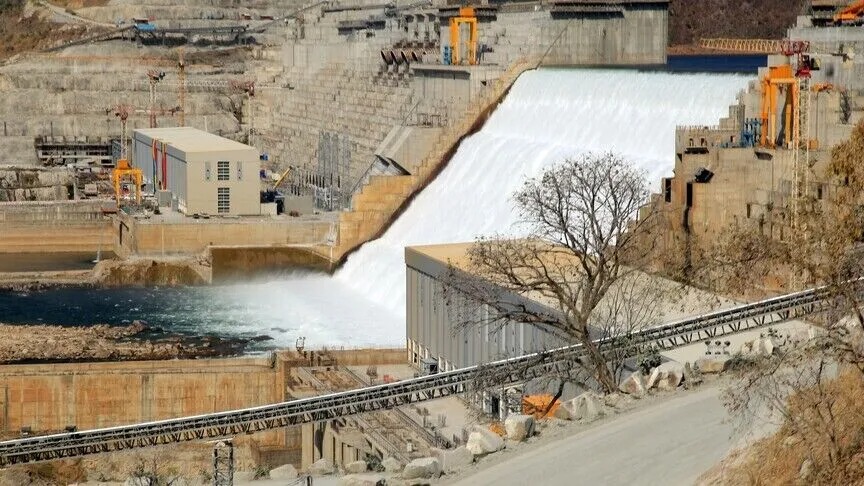
The dispute has become most intense over the GERD. Ethiopia began work on the huge dam more than a decade ago. The project was built on the Blue Nile, one of the main sources of the Nile’s water.
Egypt has raised concerns about how the dam is filled and operated, especially during periods of low rainfall. Cairo wants clear rules that would protect water flows during dry years.
No final agreement has been reached between Egypt, Ethiopia and Sudan on the long term operation of the dam. This has kept the issue at the center of relations between the three Nile states.
Egypt has also said that it does not want Ethiopia to take more steps on the river without talks.
The issue is sensitive because the Nile supports millions of people across the region. Water from the river is used for homes, farms, industry and other parts of daily life.
For Egypt, the river has an even greater role. Much of the country’s population lives along the Nile and the land around it. Any serious drop in available water could place more pressure on farming and food supplies.
Egyptian officials have therefore used strong language when discussing new upstream projects.
The latest comments also show that Cairo is keeping close watch on Ethiopia’s plans. Egypt’s water ministry has said in recent months that it is monitoring the Nile and the operation of the Ethiopian dam.
Egyptian officials have also stressed that the country’s water system is prepared for different flood and drought conditions. The Aswan High Dam remains a key part of Egypt’s water management system.
Still, Cairo wants a wider agreement with Ethiopia. Egyptian officials say clear rules are needed so that all sides know how the dam will be operated during different water conditions.
The dispute is not only about the GERD anymore. Reports of possible new dams have raised fresh concerns in Cairo about future projects along the Nile.
For now, Egypt is calling for talks and a binding deal. At the same time, its latest warning shows that the government views water security as a major national issue.
The next stage will depend on how Ethiopia responds and whether both sides can return to serious talks.
A lasting deal could reduce tension and give Egypt, Ethiopia and Sudan clearer rules for managing the river. Without such a deal, the Nile will remain a major source of political tension in the region.
