


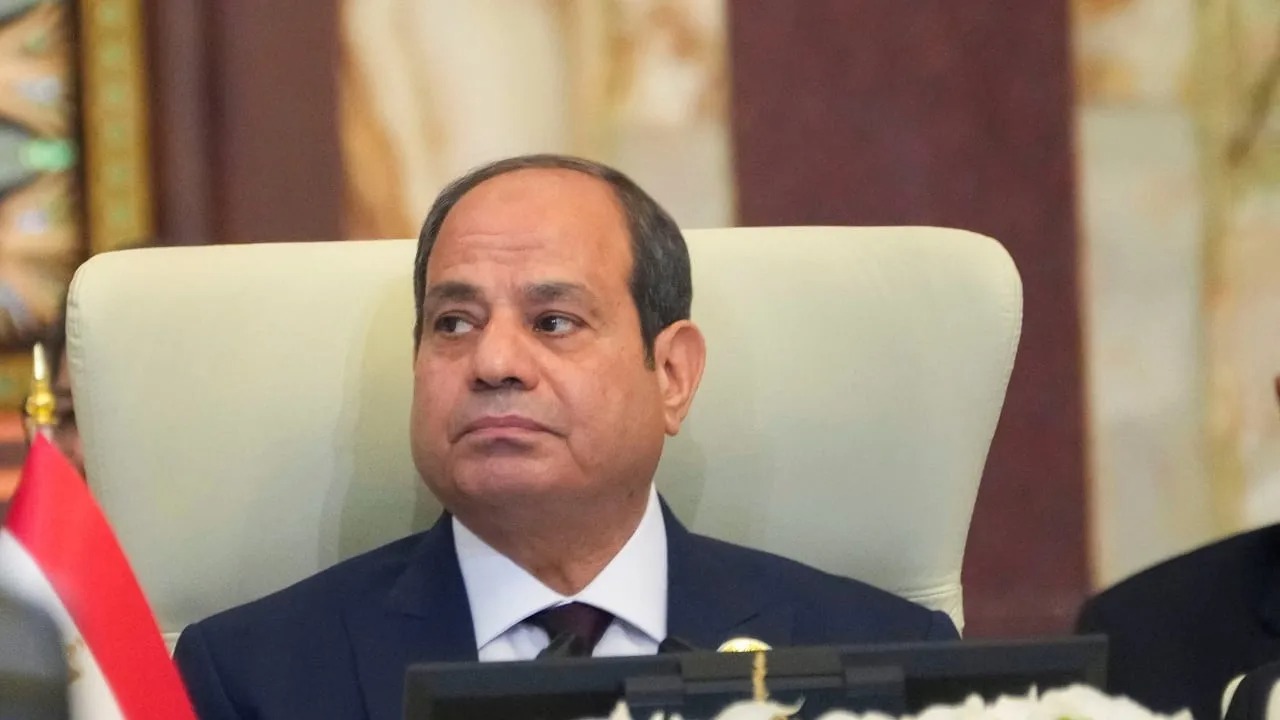
Political tension spiked in Jerusalem today following sharp remarks from a senior official. Yonatan Urich, a top adviser to Prime Minister Benjamin Netanyahu, spoke out to clear neighboring Egypt of recent spy allegations. The issue involves reports of a secret plan by an unnamed Arab state to trick regional defenses.
The issue began after national broadcaster Kan 11 released a startling intelligence report. The report claimed a country in the region urged another state to build friendly diplomatic ties with the government. The goal was to lower military alertness while secretly planning for a future conflict.
The report caused quick concern across security agencies. Many experts feared that a regional neighbor was using fake peace talks to prepare a sudden attack.
Urich addressed the rising fears directly through a short message. He noted that Egypt is not the country named in the secret reports. His message was brief, but it aimed to protect ties with Cairo. Egypt remains a vital mediator in regional security talks.
However, his short note sparked fresh debate among government and security leaders. Many officials questioned why a senior adviser would comment publicly on sensitive intelligence matters. Some leaders worried that the statement might reveal too much about active investigations.
The debate comes at a very tense moment for national security. The concept of tactical trickery is a deep fear for military leaders. They remember how former leaders used diplomatic talks to hide real military actions in past wars.
Leaders point directly to recent events in late 2023. At that time, key figures claimed they wanted to avoid major fights. They used quiet words to create a false sense of peace. That quiet allowed them to plan a massive surprise attack. Security teams now treat all peaceful offers with strong care and deep doubt.
The main fear now involves a much larger danger. A small group using tricks is hard to stop. But a large nation with a powerful army using those same tricks is far more dangerous. A full army has heavy weapons, jets, and many troops ready to move fast.
If a major nation uses peace talks as a cover, the danger to the region is extreme. Military teams cannot afford to drop their guard even for a short time. They must watch troop movements, supply lines, and borders every day.
Because of these big risks, security leaders maintain high readiness across all borders. Intelligence teams check every peace plan very carefully. They look for hidden actions behind polite political words. They want clear proof of peace, not just empty promises.
The public comment by Urich shows how hard it is to balance clear news and top secrets. Leaders must show the public they are aware of real threats. At the same time, they must keep key allies close and keep state secrets safe.
Relationships with nearby states stay complex. Official peace agreements exist, but deep doubt remains just below the surface. Every speech, memo, and military drill is watched closely by neighboring nations.
As regional tension stays high, leaders face a tough challenge. They must search for real peace while guarding against fake offers. Security teams agree that vigilance is the best defense against any sudden surprise. The recent comments prove that trust remains rare and fragile across the region today.
