


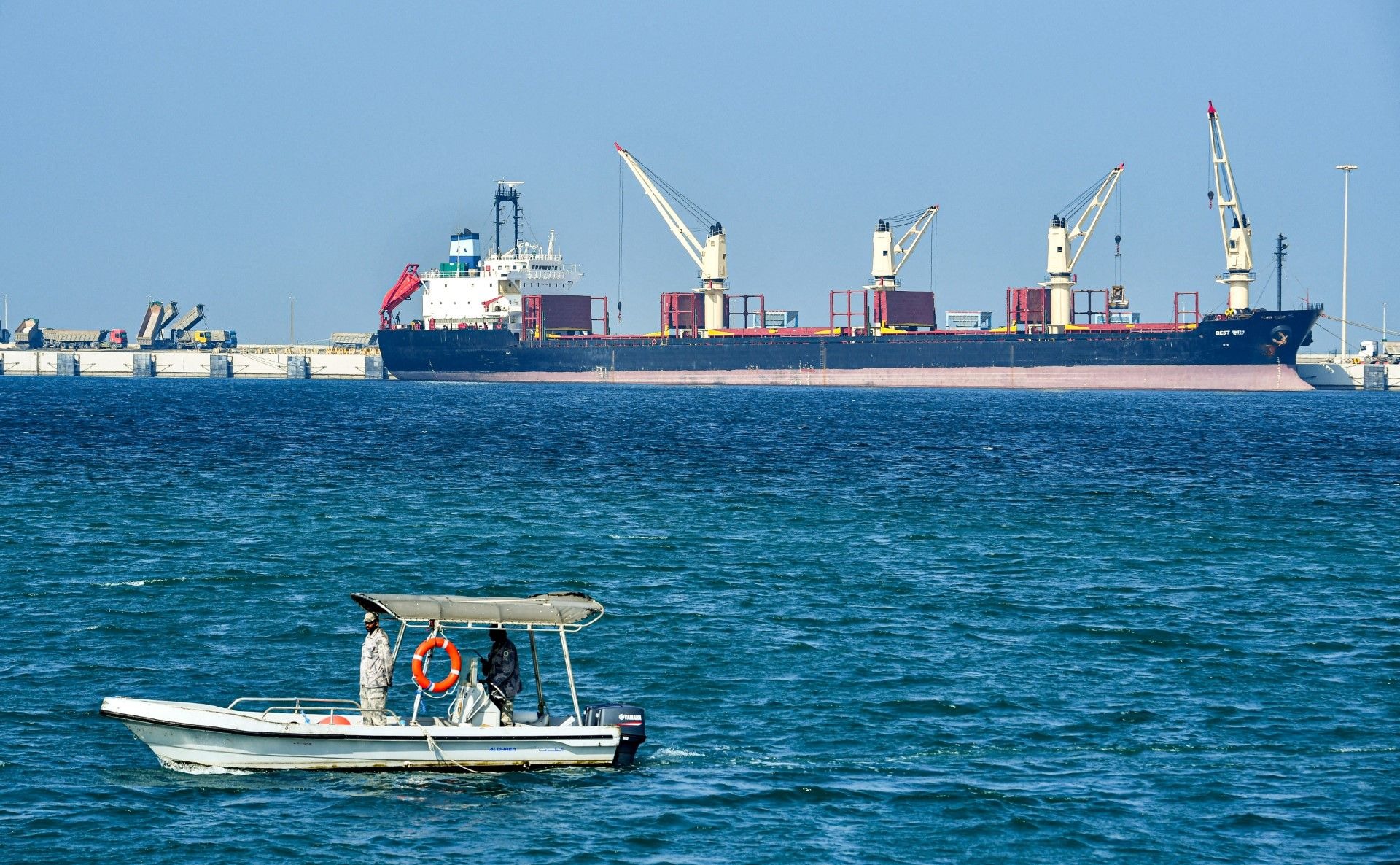
Saudi oil tankers are changing their location signals to hide their real trips.Many ships now name Egypt and the Suez Canal as their goals.They do this to avoid direct strikes from Houthi groups in the Red Sea.This tactic helps guard oil goods moving through unsafe water channels.
Risks near Yemen have grown over recent months. Houthi groups have set up targeted blockades in the region. They continue to launch drone and missile attacks on linked ships. These group threats have forced trade crews to use new route safety plans. Ships now try to shield their real stops to protect their crews and cargo.
Several crude carriers now turn off their automated tracking tools. They move dark through key strategic points to pick up oil in Saudi ports.They turn their location tools back on only after loading their cargo.By doing this, they keep their actual ports hidden from local view.
Tracking data points to specific ships using this approach.The Sea Majesty went dark while moving through local sea paths.It loaded crude at Yanbu without broadcasting its true destination.It listed Ain Sukhna in Egypt on its public log instead.Oil tracking experts used satellite images to trace the ship and its route.
Another carrier named Maran Thetis used the exact same tactic.The ship idled near key waters while hiding its actual plans.It reconnected to tracking tools only after picking up its heavy oil cargo.The ship listed the Suez Canal as its goal on tracker maps.Data checks showed its crude cargo also came from local Saudi terminals.
Other crude carriers have joined this trend in recent weeks.Vessels like Front Empire and DHT Gazelle moved while dark inside the Red Sea.They reconnected to tracking tools near safe exit paths.They listed northern ports to hide where they picked up oil.This path protects valuable crude assets during transit.
Egyptian locations have become safe haven hubs for crude shipments.Ports such as Ain Sukhna and Sidi Kerir sit far from Yemen. Placing crude at these spots cuts ship exposure to southern sea threats. These ports feature large storage tanks and pipeline access to help oil movement.
Ain Sukhna sits at a key point along major global transit paths.It connects oil trade routes running between Asia and Europe.Storing crude in Egypt allows buyers to gather oil without risk.Some Asian buyers pick up oil from Mediterranean ports instead.This avoids long trips through high risk sea passages.
Sailing dark is part of a broader push to keep trade open. Energy sellers must keep oil moving despite rising regional conflict. Disguising ship goals helps keep fuel supplies steady across global markets. It lowers the chance of direct ship strikes in dangerous waters.
Some shipping lines pick even longer paths to move crude safely.A few vessels now sail all the way around Africa.This route avoids the Red Sea entirely, but it adds travel time. Changing destination tags remains a faster way to reduce trip risks.
Energy analysts expect these stealth steps to continue for a while. Security risks across critical straits remain elevated.Houthi groups keep expanding their target range across regional waters. Ship crews will use hidden destination tags until trade routes grow safe.
Hiding destination tags shows how global trade adapts under pressure. Ship crews use smart route signals to protect human lives and cargo. Strategic Egyptian ports remain key to keeping global fuel moving smoothly. These steps ensure global markets receive energy without major delays.
