


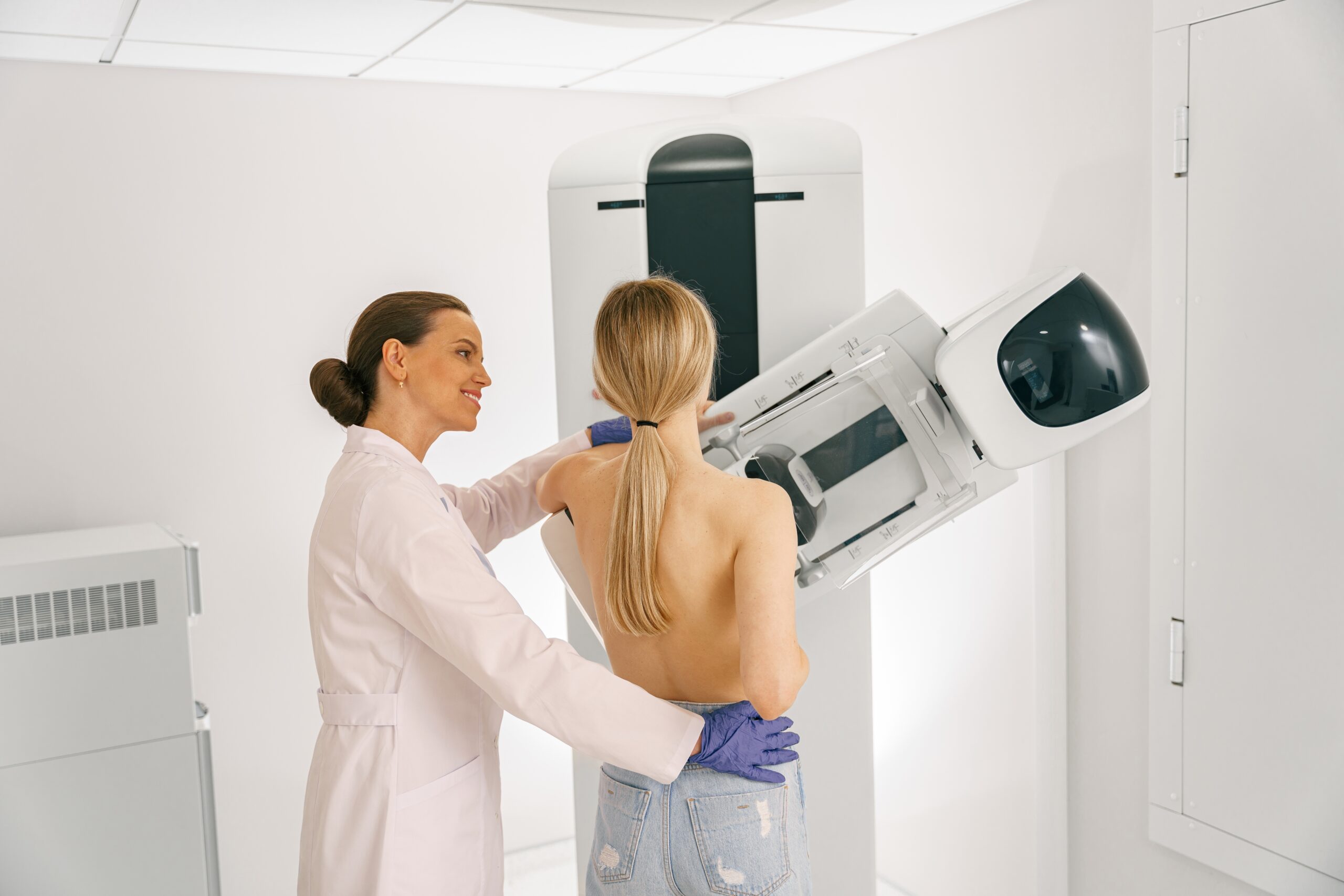
Women who skip their first breast cancer screening are at a 40% greater risk of dying from the disease, according to a major study of half a million women in Sweden.
Researchers at the Karolinska Institute tracked women invited to their first mammogram between 1991 and 2020, monitoring them for up to 25 years. The study, published in the British Medical Journal, found that 32% did not attend their initial appointment.
Non-attendees were more likely to be diagnosed with advanced-stage cancer and less likely to attend future screenings. Over 25 years, they experienced 9.9 deaths per 1,000 women compared with seven among those who attended.
The researchers said the higher mortality was due to later detection rather than an increased incidence of cancer. “First screening non-participants had a 40% higher breast cancer mortality risk than participants, persisting over 25 years,” they wrote.
US experts responding in a linked editorial said attending the first screening was “far more than a short-term health check” and should be seen as a long-term investment in breast health.
In England, women are invited for breast screening from ages 50 to 71, with all receiving their first invitation by 53. Latest NHS data shows 70% of eligible women are up to date with screening, leaving almost one in three behind.
Claire Rowney, chief executive of Breast Cancer Now, said the findings showed a “worryingly high number of women” were missing their first appointment and urged action to make screening more accessible.
The study comes as global cancer deaths are projected to rise nearly 75% to 18.6m annually by 2050, with new cases expected to reach 30.5m.
In other research, scientists announced progress in pancreatic cancer treatment. A team at the Institute of Cancer Research in London found that blocking a protein known as SPP1 could halt the spread of the most aggressive form of the disease and extend survival. They now hope to develop targeted drugs to stop its progression.
