


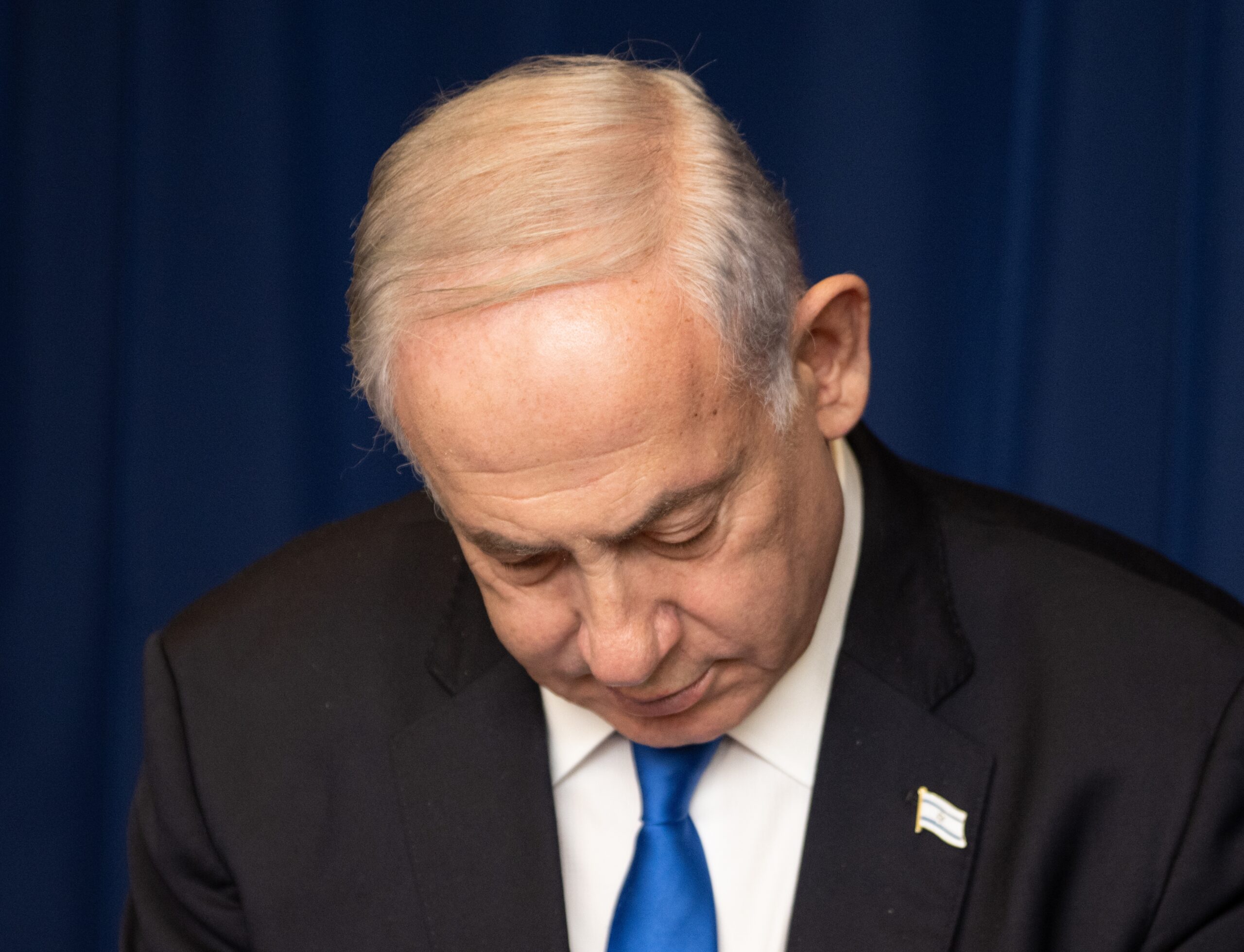
US President Donald Trump and Israeli Prime Minister Benjamin Netanyahu announced a 20-point Gaza peace plan on September 29.
Trump developed the proposal in coordination with Egypt, Qatar, and Turkey after Israel’s failed strike in Doha that targeted Hamas negotiators.
The attack, which breached Qatari territory, reportedly prompted Trump to pressure Israel to end the Gaza conflict.
By his second term, Israel had achieved its main military objectives in Iran, Lebanon, and Gaza, allowing Trump to act decisively.
On October 8, Trump confirmed that Israel and Hamas had signed the first phase of the agreement, marking a crucial step forward.
Phase One: Ceasefire and Humanitarian Action
The first stage orders an immediate ceasefire, halting all hostilities and freezing frontlines within Gaza.
Hamas must release all Israeli hostages, both alive and deceased, within 72 hours of the plan’s activation.
In return, Israel will free 250 prisoners serving life sentences and 1,700 Palestinians detained since the conflict began.
This stage focuses on restoring humanitarian access and easing the suffering of civilians trapped by two years of war.
Phase Two and Three: Disarmament, Reconstruction, and Governance
Phase two begins once the hostages are released, prioritising Hamas disarmament and the dismantling of its tunnels and military structures.
The agreement envisions Gaza as a “de-radicalised, terror-free zone” posing no threat to neighbouring states.
Hamas members who renounce violence will receive amnesty or safe passage into exile.
An international stabilisation force of US, Arab, and European troops will supervise demilitarisation and train a new Palestinian police force.
Phase three introduces a technocratic Palestinian administration supported by global experts to manage reconstruction and governance.
The United Nations and Red Crescent will distribute humanitarian aid to ensure fairness and transparency.
Trump’s plan establishes an international “Board of Peace,” chaired by him and including former UK Prime Minister Tony Blair.
The plan leaves open the recognition of a Palestinian state, contingent on reforms and peaceful coexistence with Israel.
However, on September 30, Netanyahu rejected the idea of Palestinian statehood under the framework, ending speculation on US endorsement.
