


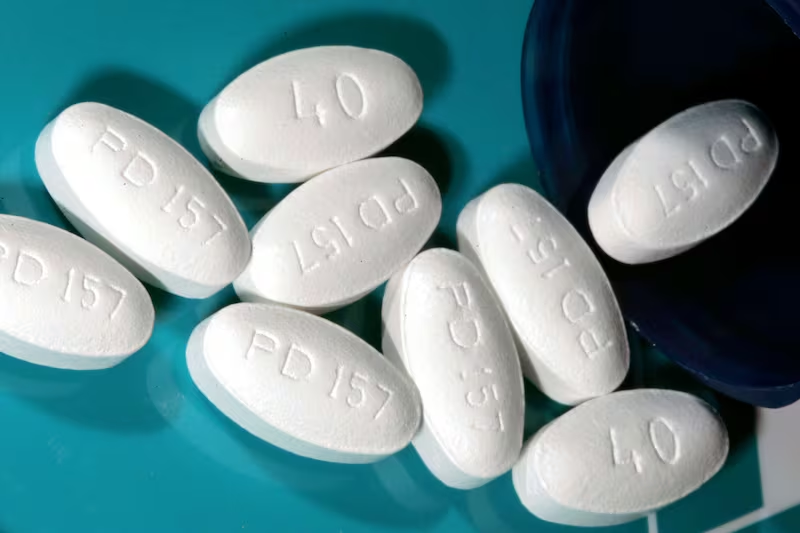
A major new review suggests that many reported side effects of statin medications may not actually be caused by the drugs themselves. Researchers say this finding could reassure patients and encourage wider use of these heart-protective medications.
Statin side effect findings show that perceived issues, such as muscle pain or fatigue, often occur at similar rates in people taking a placebo. This means that concerns about side effects may sometimes stem from other factors rather than the medication.
The review analyzed data from hundreds of clinical trials involving thousands of patients. Researchers compared reported side effects in statin users versus those taking a placebo. Results consistently showed that most complaints were not directly linked to statin use.
Experts believe this information could improve preventive care. Statins are widely prescribed to lower cholesterol and reduce the risk of heart attacks and strokes. Misperceptions about side effects may discourage patients from continuing treatment.
Dr. Laura Chen, a cardiologist involved in the review, said, “Our study shows that most side effects are likely unrelated to statins. Patients should feel reassured about taking these medications to protect their hearts.”
Statin side effect findings emphasize the importance of separating true drug reactions from coincidental symptoms. Muscle aches, headaches, or fatigue may occur naturally or due to other health conditions, not necessarily because of the statin.
The review highlights how misperceptions can influence patient behavior. Some people stop taking statins prematurely, which can increase their risk of cardiovascular events. Understanding the real risks may help patients adhere to treatment and achieve better heart health outcomes.
Researchers also stress that serious side effects are rare. Liver damage, severe muscle injury, or other severe complications occur in only a small fraction of patients. Most people tolerate statins well when prescribed and monitored appropriately.
Statin side effect findings could change how doctors communicate with patients. Clear information about likely versus unlikely side effects may reduce fear and improve adherence to preventive care recommendations.
The review reinforces that statins remain a cornerstone of heart disease prevention. By lowering LDL cholesterol, these medications reduce plaque buildup in arteries and decrease the risk of heart attacks and strokes.
Experts encourage patients to report any unusual symptoms, but also to discuss concerns with their healthcare providers. Proper monitoring and guidance can help distinguish normal health fluctuations from genuine drug reactions.
Public health officials see the findings as an opportunity to boost preventive care. Widespread, confident use of statins could lower the overall burden of cardiovascular disease and improve long-term health outcomes.
Statin side effect findings may also guide future research. Understanding patient perceptions and real-world experiences helps refine treatment protocols, improve communication, and reduce unnecessary discontinuation of therapy.
Ultimately, the review provides reassurance for millions of people taking statins. By highlighting that most side effects are not caused by the drugs, researchers hope to increase trust and encourage consistent use of these life-saving medications.
With these findings, patients may feel more confident in taking statins and maintaining heart-healthy routines. Combined with lifestyle changes like diet, exercise, and regular check-ups, statins continue to offer a powerful tool in preventing cardiovascular disease.
