


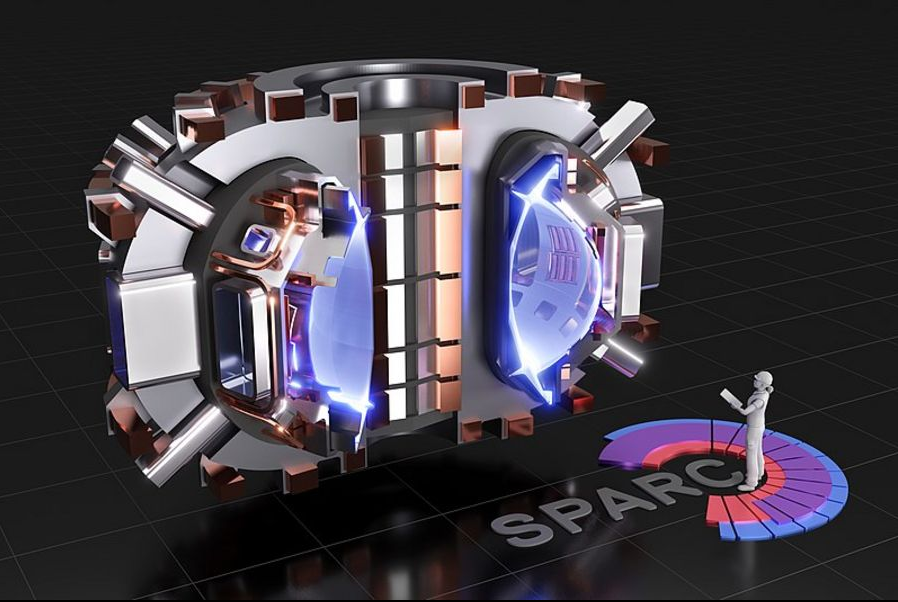
SPARC fusion energy is moving closer to its operational goals in Massachusetts. The U.S. fusion venture, developed by MIT and private partners, is preparing for its first experimental plasma operations. Analysts said this milestone marks a significant step toward clean, next-generation energy innovation.
The project aims to demonstrate net energy gain from fusion, a breakthrough that could provide safe, sustainable, and abundant power. SPARC uses advanced magnetic confinement technology to create high-temperature plasma, simulating the processes that power the sun. Experts said success here could transform the global energy landscape.
SPARC’s progress reflects years of collaboration between academic institutions, private companies, and government partners. MIT’s research team and industry experts have focused on high-field magnets, plasma control, and scalable fusion technology. Analysts noted that these combined efforts increase the likelihood of reaching operational goals on schedule.
Experimental plasma operations will test the reactor’s ability to sustain controlled fusion reactions. If successful, SPARC could demonstrate the feasibility of producing more energy than it consumes — a critical milestone for commercial fusion. Observers said this achievement could accelerate private and public investment in fusion energy worldwide.
The project also highlights the U.S. commitment to clean energy innovation. Fusion energy promises virtually limitless, carbon-free electricity. Analysts said SPARC’s success would support energy security and help the U.S. meet long-term climate goals.
SPARC’s technology relies on state-of-the-art superconducting magnets to contain the plasma safely. This approach allows for more compact and efficient reactor designs compared to traditional fusion experiments. Experts said compact fusion systems could reduce construction costs and accelerate deployment.
Private sector involvement is key to SPARC’s rapid development. Companies working alongside MIT provide funding, materials, and engineering expertise. Analysts said these partnerships illustrate a growing trend of public-private collaboration in advanced energy projects.
The Massachusetts-based facility is expected to begin experimental plasma operations in the near term. Scientists and engineers are finalizing safety protocols, testing reactor components, and calibrating control systems. Observers noted that reaching plasma operation is a critical indicator of technical readiness for the next phase of development.
Industry watchers said SPARC fusion energy is part of a larger wave of innovation in clean energy technologies. Fusion, along with renewable energy integration and energy storage solutions, is expected to play a central role in the future energy mix. Analysts said progress here could inspire further breakthroughs globally.
In summary, SPARC fusion energy is approaching its first experimental plasma operations, marking a major milestone in clean energy innovation. With MIT and private partners driving technological breakthroughs, the project could pave the way for sustainable, next-generation energy solutions in the U.S. and beyond.
