


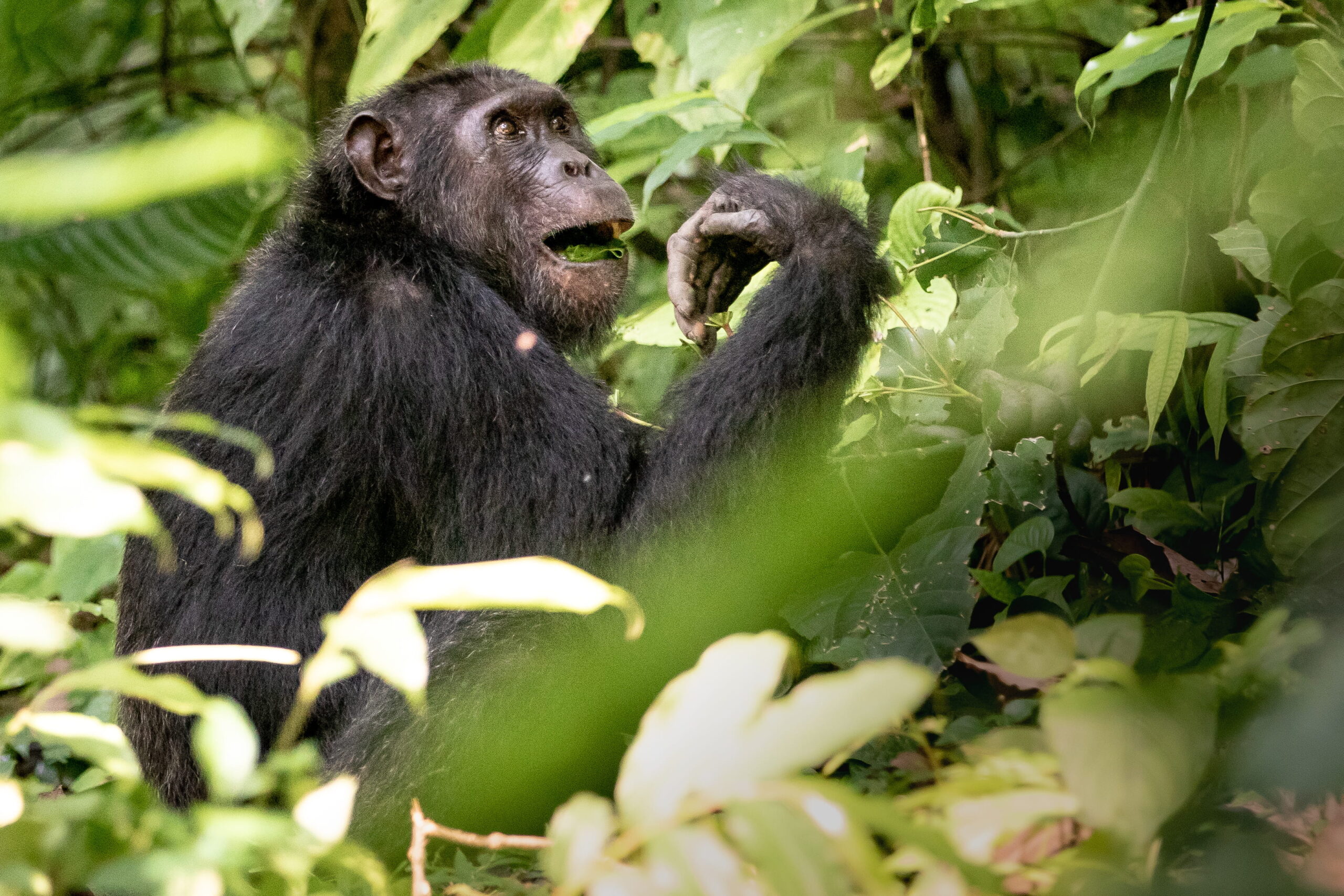
Same-sex sexual behaviour is widespread among non-human primates and may help groups stay cohesive under environmental and social pressure, researchers say. Writing in Nature Ecology & Evolution, scientists analysed reports across 59 primate species, including chimpanzees, Barbary macaques and mountain gorillas. The study, led by researchers from Imperial College London, suggests the behaviour is more common in harsh environments where food is scarce and predation risks are higher.
The findings indicate such behaviour may reduce tension, reinforce bonds and stabilise complex social hierarchies, particularly in long-lived species and those with large, competitive groups. Co-author Prof Vincent Savolainen said the pattern may reflect deep evolutionary roots and noted early human species likely faced similar pressures. Lead author Chloe Coxshall added that while there may be a heritable component, environmental influences have been underestimated.
Experts cautioned against directly mapping the results onto humans but said the research challenges the idea that same-sex behaviour is rare or anomalous in nature. Prof Zanna Clay of Durham University called it an important contribution to understanding primate sociality, while Josh Davis of the Natural History Museum stressed that animal behaviour should not be simplistically compared to human sexuality.
