


Romania has confirmed that a drone entered its territory during Russian strikes on Ukraine, an incident that led to NATO aircraft being deployed. Poland, facing similar risks, also scrambled jets and placed its defenses on alert.
Incursion Over the Danube Region
The Romanian Defence Ministry reported that the drone crossed around 10 kilometers into national airspace before radar contact was lost near the Danube Delta village of Chilia Veche. The aircraft traveled at very low altitude and avoided inhabited areas.
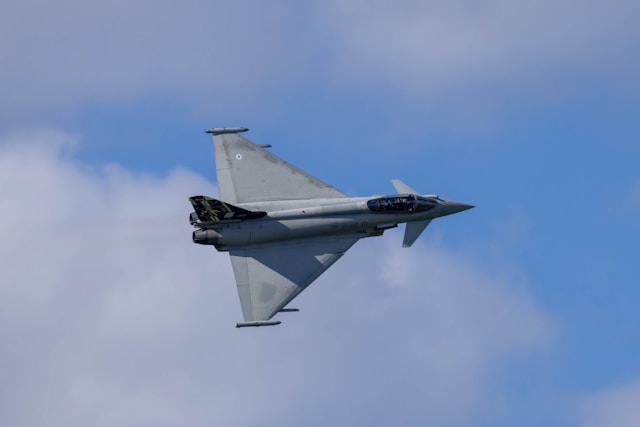
Romania responded by sending two F-16 fighters, while Eurofighters from NATO’s air policing mission also participated in the operation. Residents in Tulcea County received warnings to take cover until the situation was deemed safe.
Officials later confirmed that the drone returned to Ukrainian territory, causing no casualties or destruction on Romanian soil.
Conflicting Versions of Events
Ukrainian President Volodymyr Zelensky claimed the drone stayed inside NATO-controlled skies for nearly an hour, calling it proof that Russia is trying to expand the war beyond Ukraine.
Romania’s Defence Minister said pilots were ready to engage but held fire when it became clear the drone was exiting the country’s airspace.
Poland Responds to Possible Threats
Meanwhile, Poland implemented emergency measures late Friday following indications of drone activity close to its border. Military jets were launched, Lublin airport was temporarily shut down, and air defense units were placed on standby.
Although no drones were confirmed to have crossed into Poland, defense officials defended the move as a necessary precaution given the intensity of Russian attacks in the region.
NATO’s Eastern Border Under Pressure
Both Romania and Poland have previously found debris from Russian drones on their territory, incidents that have fueled demands for stronger defensive measures along NATO’s frontier.
The alliance confirmed it was informed of Romania’s latest airspace breach and emphasized that there was no immediate risk to civilians. Still, the event highlights the growing security challenges for NATO states bordering Ukraine.
