


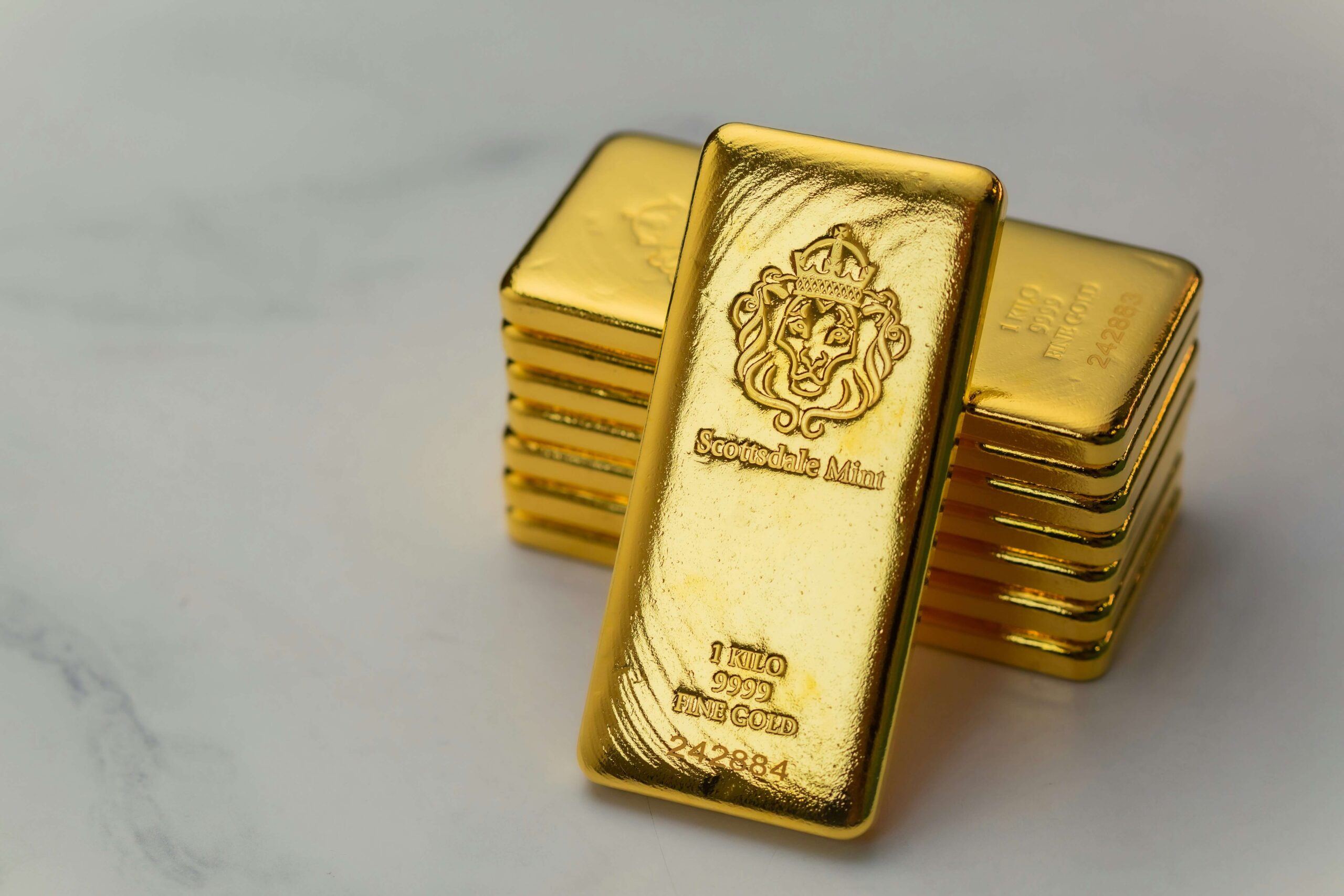
Poland has significantly boosted its gold reserves, with the National Bank of Poland now holding around 550 tonnes of bullion worth more than €63 billion. The move underscores a long-term strategy to strengthen financial security and reduce exposure to global economic shocks.
A Strategic Bet on Stability
NBP President Adam Glapiński has long argued that gold plays a unique role in national reserves. Unlike currencies or bonds, gold carries no credit risk, is not tied to the monetary policy of other countries, and has historically proven resilient during periods of financial turmoil. High bullion reserves, the central bank believes, help anchor confidence in the wider economy.
Poland’s ambitions go further. The NBP has set a target of 700 tonnes of gold, with total bullion reserves valued at around PLN 400 billion (€94 billion). As recently as 2024, gold made up less than 17% of Poland’s foreign exchange reserves. By the end of 2025, that figure had surged to over 28%, one of the fastest shifts seen among central banks globally. Much of the buying took place during late 2025, amid heightened market volatility and geopolitical uncertainty.
Central Banks Turn Back to Bullion
Poland’s strategy mirrors a broader global trend. According to the World Gold Council, central banks continued to accumulate gold throughout 2025, viewing it as a hedge against currency risk and financial instability. Nearly all central banks surveyed expect global gold holdings to rise further over the coming year.
Marta Bassani-Prusik from the Mint of Poland explains that diversification is a key driver. Gold’s independence from monetary policy and its role in reducing reliance on the US dollar make it especially attractive. Some analysts note that countries such as China and Russia may not fully disclose their purchases, fuelling speculation that gold could play a larger role in future monetary systems.
More Gold Than the ECB — and the Debate That Follows
Poland’s growing stockpile now exceeds that of the European Central Bank, which holds about 506.5 tonnes. While largely symbolic, the comparison highlights Poland’s rising profile within Europe’s financial landscape. The ECB sets eurozone monetary policy, but most gold ownership still sits with national central banks.
Critics argue that gold produces no income and that the funds used for purchases could generate returns if invested in bonds. Supporters counter that record-high gold prices — and optimistic forecasts for 2026 from institutions such as ING, Deutsche Bank, and Goldman Sachs — validate the strategy.
For the NBP, gold remains a cornerstone of long-term financial security. As uncertainty grows and global power dynamics shift, Poland is making a clear statement: in an unpredictable world, bullion is once again a prized line of defence.
