


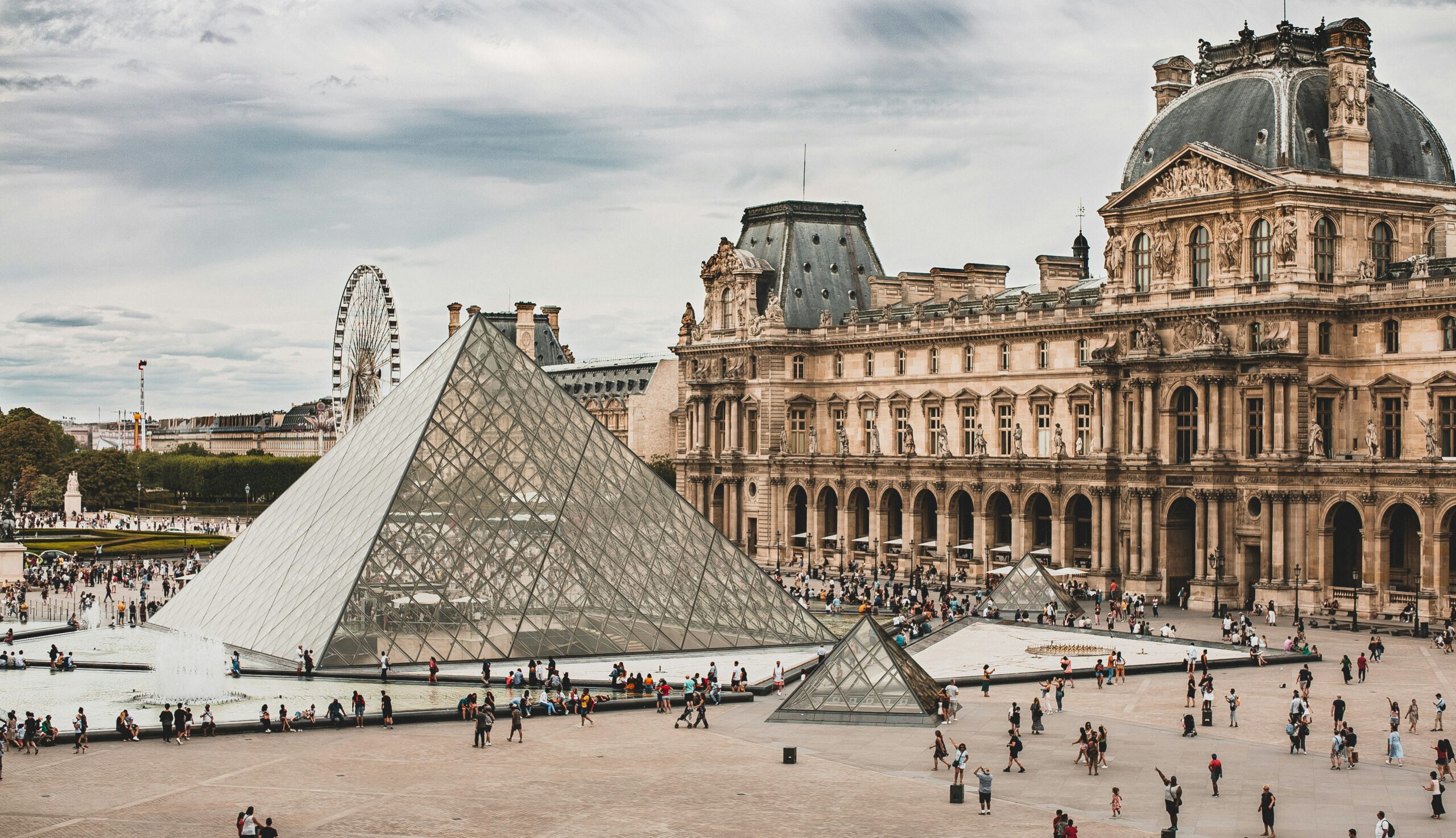
Thieves stole eight crown jewels from the Louvre last week, igniting public anger and renewed scrutiny of museum security. The daring robbery, carried out in broad daylight, targeted the Apollo Gallery, one of the museum’s most visited rooms.
French radio network RTL reported that the Louvre moved part of its jewelry collection to the Bank of France’s vaults on Friday. Police escorted the transfer discreetly to prevent further risks. The secured items included the “Crown Jewels” and other precious artifacts from multiple galleries.
The Bank of France’s underground vault, located 27 meters beneath its headquarters, holds about 90% of France’s gold reserves.
Thieves Execute Daring Daylight Raid
According to investigators, the thieves used a basket lift to reach a balcony connected to the Apollo Gallery. They forced open a window, smashed several display cases, and fled the scene on two-wheelers. The entire operation lasted no more than seven minutes.
A Paris prosecutor valued the stolen jewels at 88 million euros, though experts noted their historical importance makes them priceless. The brazen act left citizens outraged and lawmakers describing it as a “national humiliation.”
Officials had already warned of inadequate security investment at the Louvre, and the theft has intensified calls for urgent reforms.
Europe Faces Surge in Museum Heists
The Louvre robbery reflects a broader trend of cultural theft across Europe. French authorities reported at least four museum break-ins in the past several months. Art crime experts say such operations are becoming more organized and increasingly bold.
Lawmakers have demanded tougher security protocols, increased funding for cultural protection, and closer coordination between museums and law enforcement.
The Louvre has vowed to enhance its surveillance and security measures, while investigators continue searching for the stolen jewels. The case has reminded France—and the world—of the vulnerability of its most treasured cultural institutions.
