


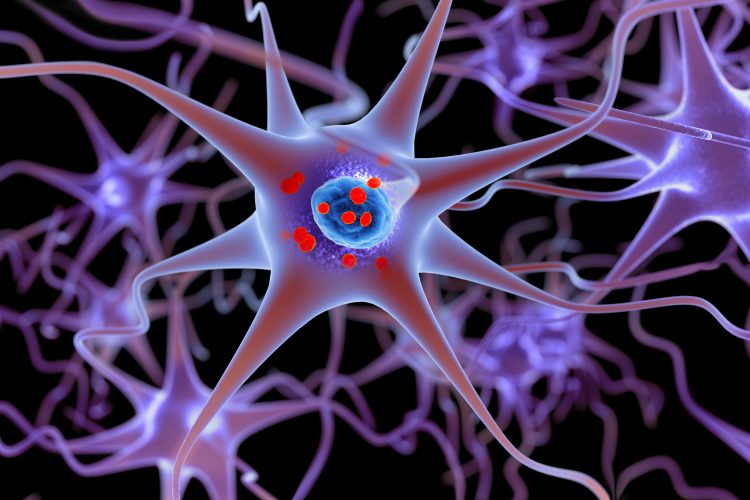
Scientists have developed a promising new molecule that could change the way Parkinson’s disease is treated. The team created a peptide that prevents alpha-synuclein, a key protein in Parkinson’s, from misfolding. Misfolded alpha-synuclein is known to damage brain cells and drive disease progression.
In laboratory and animal tests, the peptide successfully stabilized the protein and stopped the disease from advancing. Researchers observed improved brain cell health and reduced symptoms in animal models. This breakthrough offers hope for new therapies targeting the root cause of Parkinson’s disease.
Parkinson’s disease affects millions worldwide. Current treatments mostly focus on relieving symptoms rather than halting the disease. The new peptide offers a potential way to slow or even stop disease progression, which could transform patient care in the coming years.
The research team emphasized the molecule’s design is highly specific. By targeting alpha-synuclein misfolding directly, the peptide avoids interfering with other cellular proteins. This precision may reduce side effects often seen with other experimental treatments.
Early results are encouraging, showing that the peptide can penetrate brain tissue effectively. It stabilizes the protein before it aggregates into harmful clumps, which are a hallmark of Parkinson’s disease. The success in animal studies sets the stage for future human trials.
Experts say this development represents a significant step forward. Many previous attempts to prevent alpha-synuclein aggregation failed to achieve consistent results in preclinical models. The new peptide’s ability to halt progression could overcome these challenges.
The team plans to begin clinical trials within the next few years. These trials will test the safety and effectiveness of the peptide in humans. If successful, the treatment could provide long-term protection for patients and reduce the burden of Parkinson’s disease worldwide.
In addition to stabilizing alpha-synuclein, the peptide may also support natural brain repair mechanisms. Researchers hope that combining this approach with other therapies could enhance overall outcomes and improve quality of life for patients.
Parkinson’s disease is a progressive disorder that leads to tremors, stiffness, and difficulty with movement and coordination. The discovery of a molecule that can intervene at the protein level represents a new frontier in neurodegenerative disease research.
While human trials are still in the planning stages, the scientific community is optimistic. The peptide’s design could also inspire similar strategies for other neurodegenerative conditions, including Alzheimer’s and Huntington’s diseases, which involve protein misfolding.
This breakthrough highlights the potential of targeted molecular therapies. By addressing the root causes of neurodegeneration rather than only managing symptoms, scientists are moving closer to long-term solutions for devastating diseases.
The Parkinson’s disease molecule breakthrough signals a hopeful future for patients and families affected by the condition. With continued research, it may soon be possible to halt disease progression and improve lives on a global scale.
