


A Renewed Debate on Deterrence
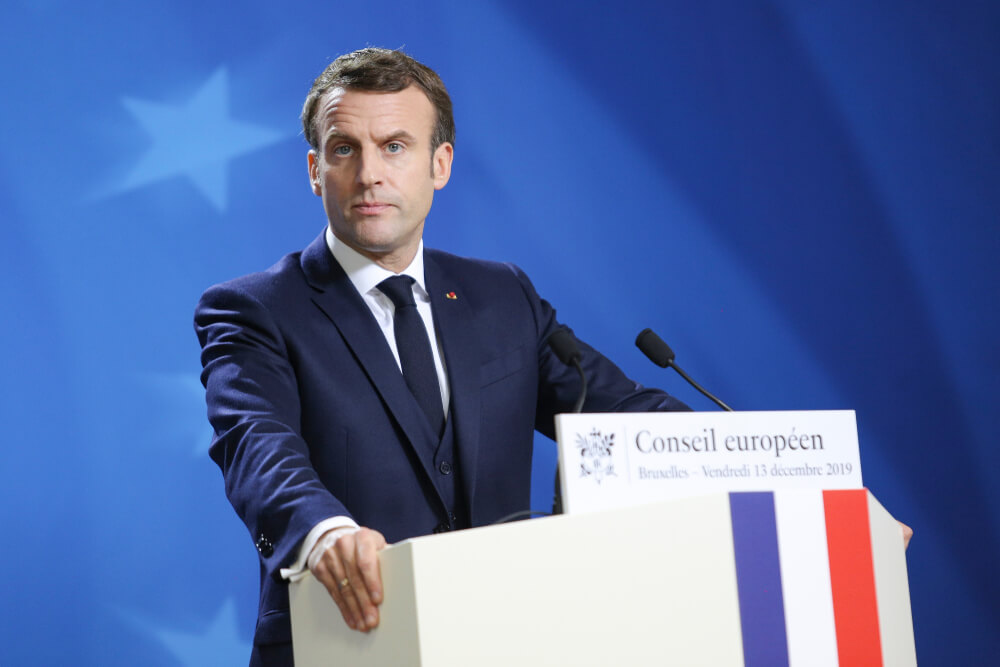
President Emmanuel Macron is expected to outline how France could contribute more directly to Europe’s nuclear deterrence in a major speech on Monday. Delivering his address from the Île Longue peninsula — home to France’s four nuclear-powered ballistic missile submarines — Macron will revisit an idea he first floated in 2020: opening up elements of France’s nuclear doctrine to closer cooperation with European partners.
At the time, his proposal to involve interested European nations in nuclear exercises drew limited response. Today, however, shifting global tensions have given the concept fresh relevance.
Shifting Geopolitics, Growing Interest
Europe’s security landscape has changed dramatically since Russia’s full-scale invasion of Ukraine and the return of Donald Trump to the White House. Concerns about long-term US commitment to European defence have intensified, particularly after Trump’s threat to use force against fellow NATO member Denmark over Greenland.
Although European leaders continue to stress confidence in NATO, uncertainty around Washington’s plans — including a possible partial withdrawal of US troops from Europe as it pivots toward the Indo-Pacific — has prompted renewed strategic thinking in EU capitals.
Earlier this month at the Munich Security Conference, Macron confirmed he had begun a “strategic dialogue” with German Chancellor Friedrich Merz and other EU leaders on how France’s nuclear doctrine could be articulated in a broader European context. French officials say there is now “growing interest among partners,” while insisting any initiative would complement, not compete with, NATO.
No Arms Race, But Strategic Clarity
France maintains a policy of “strict sufficiency,” meaning it keeps only the number of nuclear warheads it deems necessary to deter adversaries — around 300, far fewer than the estimated 3,500-plus held by the US and Russia. French officials stress that Paris is not entering an arms race but ensuring it can inflict “unacceptable damage” if required.
Both Mark Rutte and EU Defence Commissioner Andrius Kubilius have cautioned that replacing the US nuclear umbrella entirely would be prohibitively expensive and complex. Instead, France appears to be positioning its deterrent as a reinforcing pillar within NATO’s framework.
France and the UK — Europe’s only two nuclear-armed powers — have already deepened cooperation under the Northwood Declaration signed last summer, creating a joint Nuclear Steering Group and participating in each other’s exercises. Macron’s speech is expected to clarify how far France is prepared to go in shaping a stronger European role within that structure.
