


TIRANA — Mounting evidence suggests that Albania has quietly become a gateway for sanctioned Russian and Iranian interests to bypass Western trade restrictions, exposing vulnerabilities in the country’s governance and critical infrastructure.
Investigations indicate that through negligence, smuggling, or outright corruption within the government of Prime Minister Edi Rama, entities tied to Russia and Iran have gained access to sectors considered vital to national security.
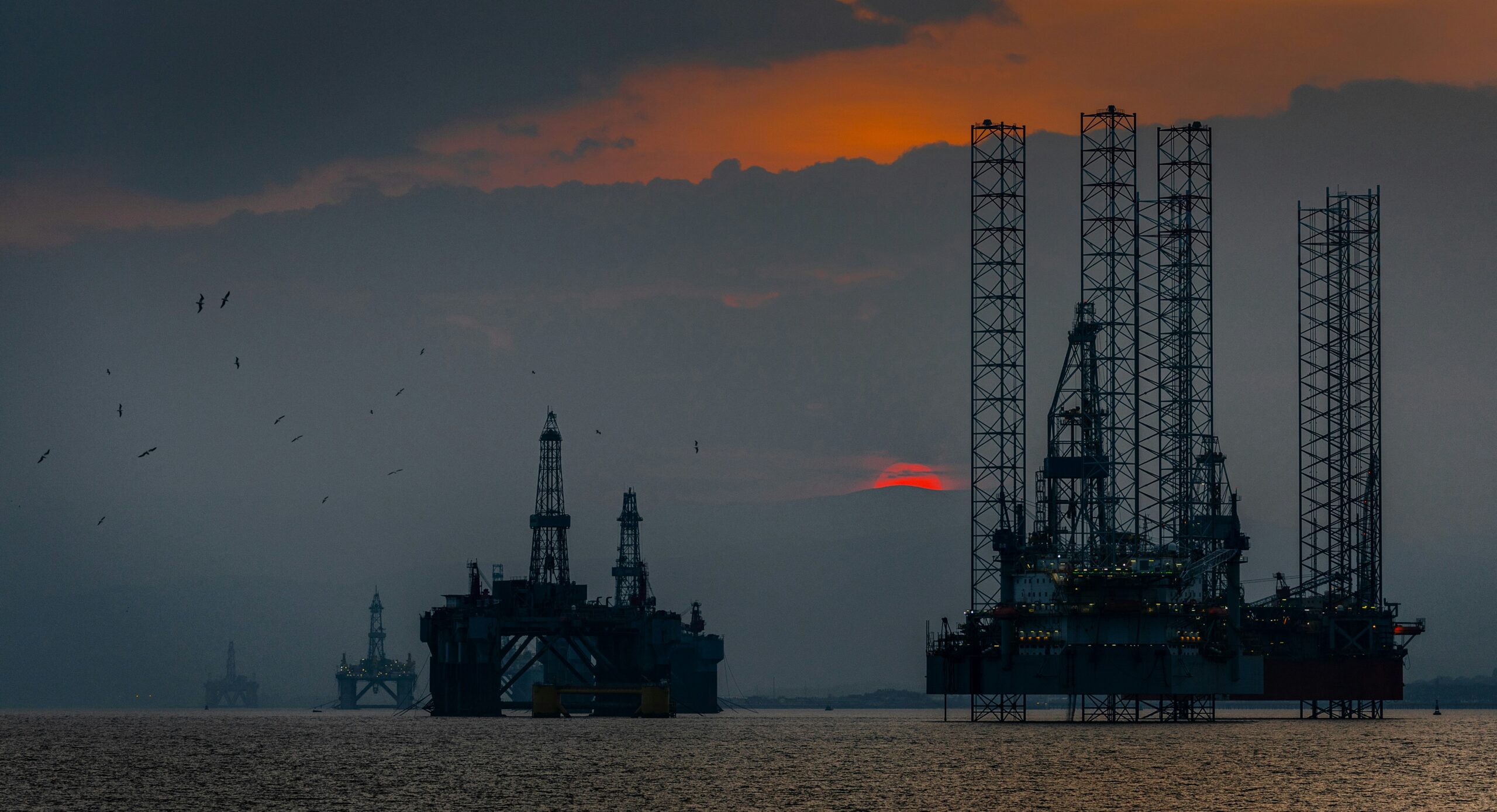
A report by RBC Ukraine uncovered how banned Russian oil was being funneled into Europe through Albanian ports. The investigation described ships docking at Porto Romano near Durrës under false cargo declarations — vessels listed as carrying cement were, in reality, transporting hundreds of thousands of liters of undeclared diesel. According to Balkan Insight, the smuggling network may involve intermediaries in Libya and serve as a funding channel for Moscow’s ongoing war in Ukraine.
Meanwhile, a separate investigation exposed another concerning development. A Swiss-based company with ultimate shareholders of Turkish-Iranian origin — individuals previously sanctioned by U.S. authorities and linked to Iran’s Revolutionary Guard Corps — has reportedly entered the Albanian market through Algeria. Details of the company’s operations and opaque ownership structure were revealed in a Hashtag.al investigation, prompting fears of Iranian influence in strategic infrastructure projects.
The controversy surrounding Vlora International Airport has further deepened concerns. The airport’s operating company appears to be tied to an offshore entity called Compartment Bernina, a Luxembourg-based structure registered under securitization laws. As reported by Vox News Albania, Bernina has links to individuals associated with Russian state networks, raising alarms that the airport could ultimately fall under foreign control beyond Albania’s legal reach.
The lack of transparency surrounding these deals — combined with the flow of Russian capital into key infrastructure — has sparked calls for greater oversight. Analysts at The GPC warn that despite Albania’s firm alignment with NATO, weak institutional safeguards have made the country a potential pressure point in the enforcement of Western sanctions.
Whether the breaches stem from complicity, incompetence, or systemic corruption, the result is the same: Albania now stands as one of the most significant vulnerabilities in Europe’s sanctions regime. Without swift corrective action, this small Balkan nation could remain a major backdoor for sanctioned regimes — and a growing risk to regional security.
