


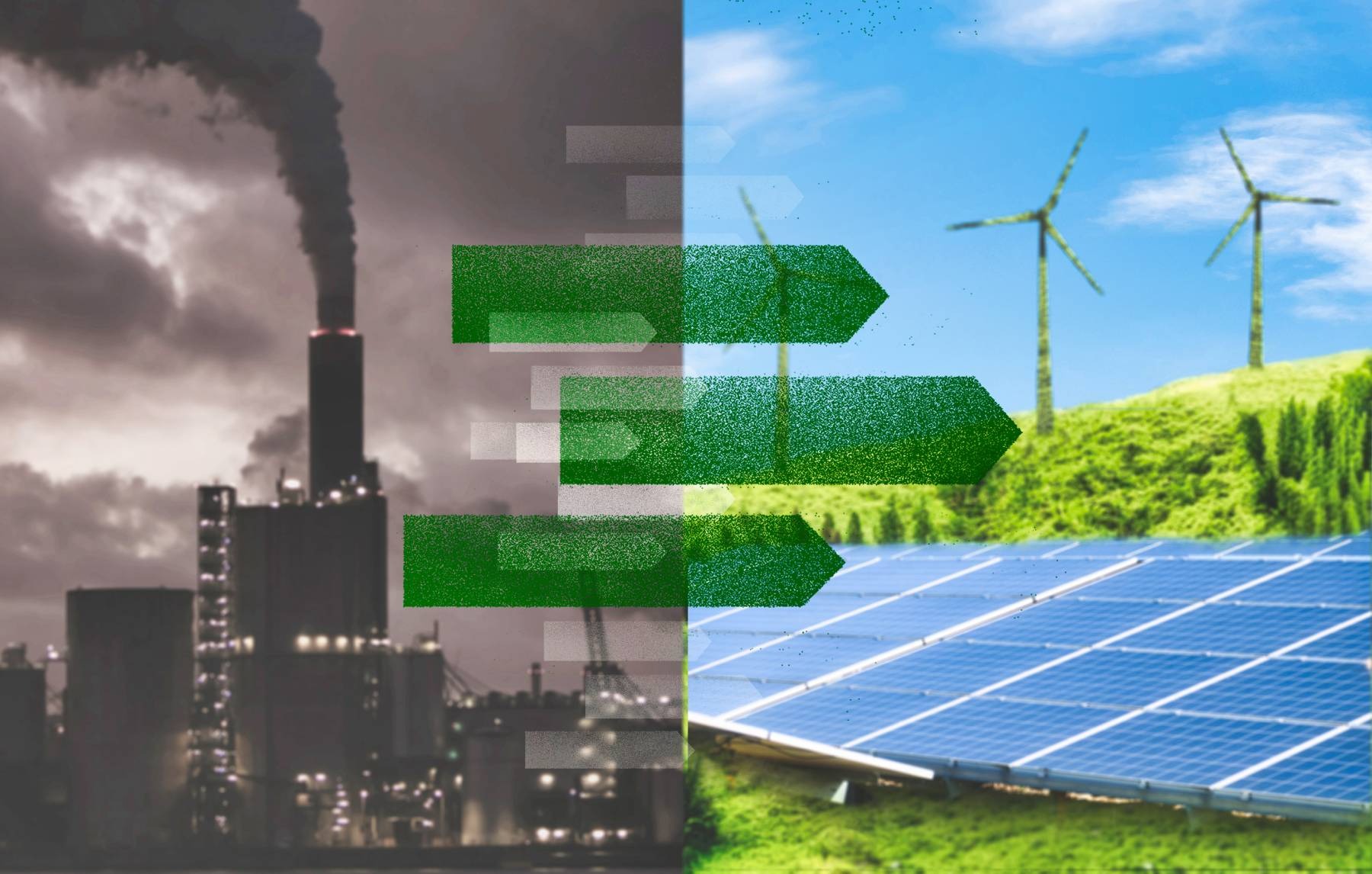
The United States is experiencing a rapid shift toward green energy, marking a significant step in building a sustainable future. Renewable energy sources such as solar, wind, and hydroelectric power are expanding faster than ever, offering economic, environmental, and social benefits. Experts note that the country’s commitment to clean energy is reshaping the way power is produced and consumed.
Solar energy projects have surged across multiple states, with large-scale farms and residential installations contributing to record-breaking clean energy production. Wind energy is also growing, with new offshore and onshore farms generating electricity for millions of homes. These projects not only reduce greenhouse gas emissions but also create thousands of jobs in construction, maintenance, and research.
Government initiatives have played a key role in this transition. Federal tax incentives, state-level subsidies, and public-private partnerships have encouraged companies and homeowners to invest in renewable energy. These policies are helping to make clean energy more affordable and accessible, accelerating the adoption of sustainable practices nationwide.
Electric vehicles and energy storage solutions are complementing the growth of renewable energy. The U.S. has seen a significant increase in electric vehicle sales, supported by an expanding network of charging stations. Battery storage technology ensures that energy generated from the sun and wind can be stored efficiently and used when demand is high, increasing the reliability of renewable power.
Environmental advocates highlight the benefits of reducing reliance on fossil fuels. The shift toward clean energy lowers carbon emissions, improves air quality, and reduces dependence on imported fuels. These changes contribute to climate resilience and long-term environmental sustainability, offering healthier communities across the country.
Corporate investment is also driving the green energy transition. Many companies are committing to 100% renewable energy goals, installing solar panels on facilities, and purchasing clean power from utility providers. These actions not only reduce operational costs but also improve corporate social responsibility and public image.
The future of U.S. green energy looks promising. Experts predict continued growth in solar, wind, and other renewable sectors, along with advancements in energy efficiency and smart grid technology. Education and training programs are preparing the next generation of engineers, technicians, and policymakers to support this transition.
Challenges remain, including infrastructure upgrades, grid modernization, and the need for consistent policy support. However, strong collaboration between government, industry, and communities is helping to overcome these hurdles. The momentum gained so far indicates that the United States is on a clear path toward a cleaner, more sustainable energy system.
The green energy transition is not just an environmental necessity but also an economic opportunity. By investing in renewable power, energy storage, and sustainable practices, the U.S. is creating jobs, reducing costs, and improving quality of life. As these efforts continue, the nation is moving closer to achieving a sustainable, low-carbon future that benefits both people and the planet.
