


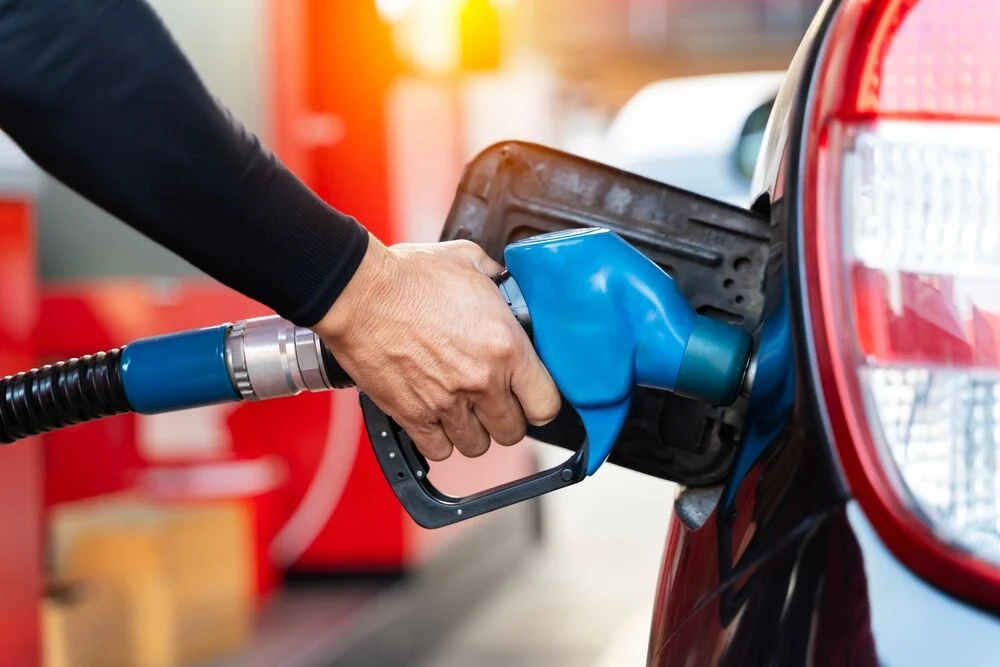
Gas prices in the United States have dropped to their lowest level in four years, offering relief to drivers and families nationwide. The decline comes amid strong domestic energy production and easing global oil costs.
President Donald Trump welcomed the drop, saying it helps American families and strengthens the economy. “Lower gas prices put more money back into people’s pockets,” he said. “This is good news for every American.”
The national average price for regular gasoline recently fell below $3 per gallon, a level not seen since 2021. The trend is helping consumers save on travel and daily transportation expenses.
Energy analysts attribute the decrease to multiple factors. Higher U.S. oil production, particularly from shale formations, has expanded supply. At the same time, global oil prices have softened due to slowing economic growth in major markets and strategic releases from reserves.
“Consumers benefit from a combination of strong domestic output and lower international prices,” said an energy market expert. “This alignment is rare and has a direct impact on savings at the pump.”
The drop in gas prices also affects other parts of the economy. Lower transportation costs can reduce shipping expenses for businesses, potentially stabilizing prices for everyday goods. Analysts say this may help ease inflation pressures.
Gas stations in major cities report higher traffic as drivers take advantage of lower prices. Families are planning more road trips and travel, which could boost tourism and local businesses.
Commercial fleets and delivery companies also benefit. Reduced fuel costs can improve profitability for businesses that rely on trucks, vans, and other vehicles for daily operations.
While renewable energy initiatives continue, fossil fuel production remains crucial for keeping gas prices low. Experts note that the combination of domestic production and efficient supply chains helps maintain affordability.
Despite the positive trend, analysts caution that gas prices can change quickly due to geopolitical events, weather disruptions, or shifts in demand. Consumers are advised to stay informed and plan accordingly.
States with higher gasoline taxes have seen smaller decreases, but nationwide, families are experiencing meaningful savings. Lower fuel costs free up household budgets for essentials like groceries, healthcare, and education.
Economic experts say the decline may encourage additional consumer spending, which could strengthen overall economic growth. Lower energy costs often translate into more disposable income for families and small businesses.
President Trump emphasized the broader benefits of affordable energy. “This is not just about saving on gas,” he said. “It helps our industries, jobs, and communities thrive.”
The United States’ ability to maintain energy production efficiently also strengthens its position in global oil markets. Reliable supply supports trade negotiations and reduces vulnerability to international price shocks.
For drivers and businesses alike, the four-year low in gas prices provides immediate financial relief. Analysts predict that if current production and supply trends continue, prices may remain favorable for several months.
The decline in gas prices marks a significant milestone for U.S. energy policy, reflecting domestic production strength and responsive global markets. It benefits consumers, businesses, and the broader economy while highlighting the importance of energy independence.
