


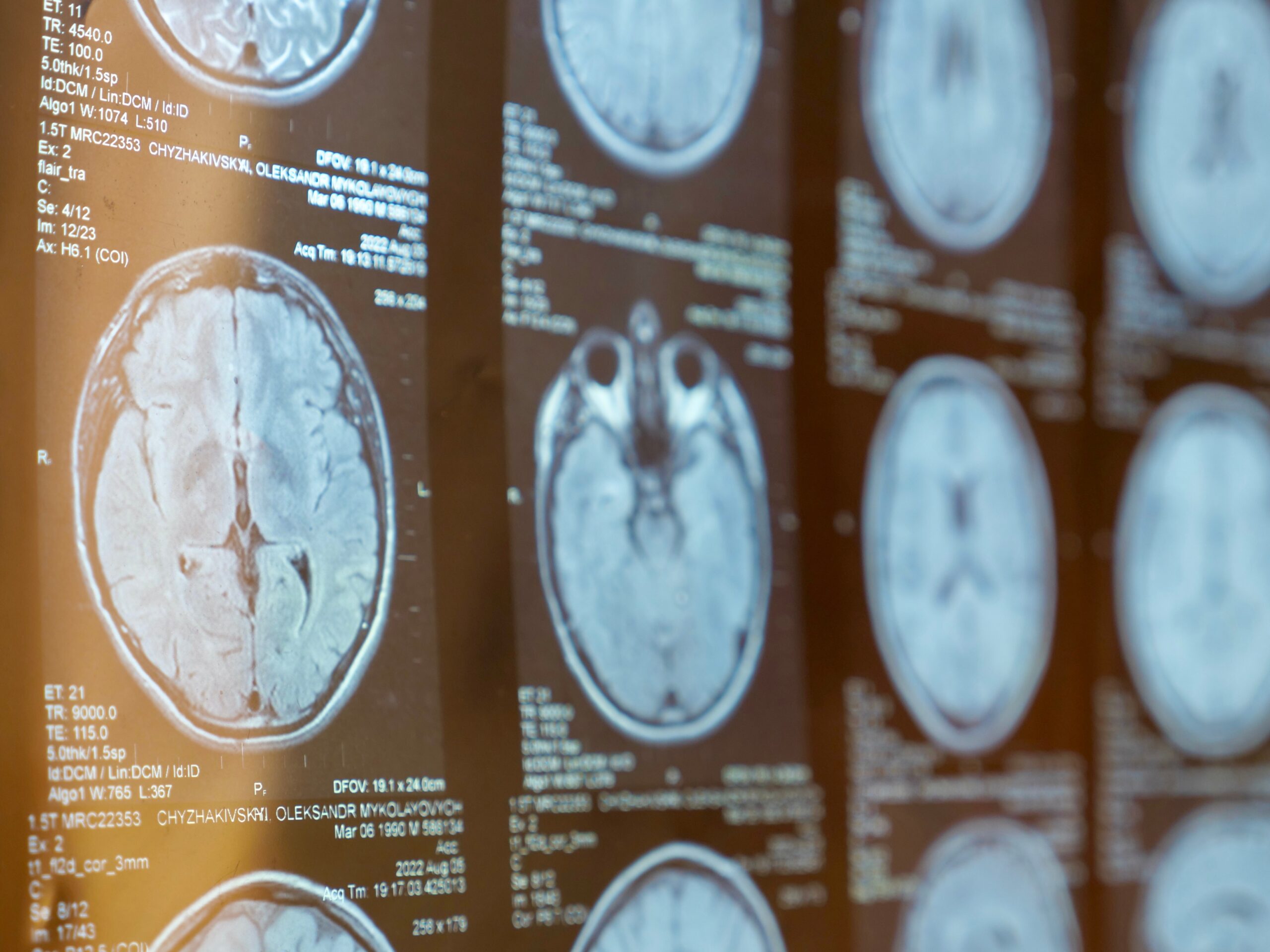
A Cambridge-led trial has raised hopes of a new class of multiple sclerosis (MS) treatments after finding that a diabetes drug combined with an antihistamine can partially repair nerve damage.
The CCMR Two trial tested metformin, a common diabetes medication, alongside clemastine, an antihistamine shown to stimulate myelin repair. In MS, the immune system attacks the myelin sheaths that insulate nerves, disrupting signals in the brain and spinal cord and leading to progressive disability.
Seventy patients with relapsing MS took part in the study. After six months, researchers observed faster nerve signal transmission in those given the drug combination compared with a placebo, suggesting improved remyelination. However, the difference — 1.3 milliseconds — was too small for patients to notice improvements in vision or symptoms.
“It’s smaller than we were hoping for,” said Dr Nick Cunniffe, the trial’s lead neurologist at the University of Cambridge. “The drugs have a biological effect, but people do not feel better on these drugs over six months.”
Fatigue from clemastine and diarrhoea from metformin were common side effects. Researchers stressed the treatment remains experimental and should not be used outside trials.
Despite modest results, experts described the findings as an important proof of concept. Emma Gray of the MS Society called them “really positive,” noting clinical benefits may take longer to emerge.
Globally, nearly 3 million people live with MS, including more than 150,000 in the UK. With no existing therapies that can reverse myelin damage, scientists believe remyelination drugs could be critical to halting long-term disability.
Professor Jonah Chan of the University of California, San Francisco, said: “Remyelination is the critical path to preventing permanent disability in MS. It is also the only immediate hope for restoring function.”
Further trials are now expected to test whether the approach can deliver meaningful improvements in patients’ daily lives over longer treatment periods.
