


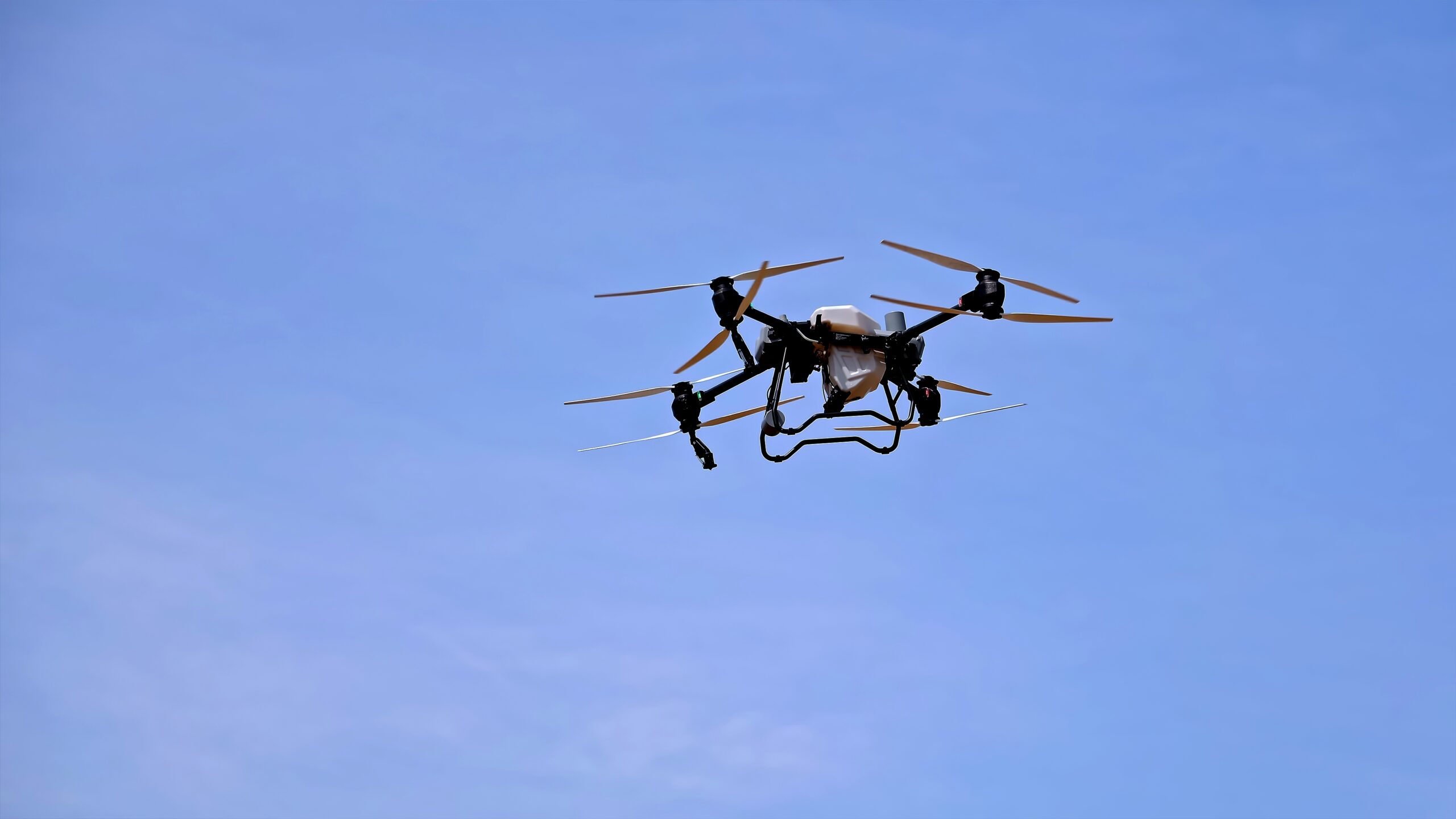
European leaders are exploring a “drone wall” along the EU’s eastern border to protect against Russian drone incursions, a proposal championed by the Baltic states and backed by the European Commission. The initiative, involving Poland, Finland, Estonia, Latvia, and Lithuania, centers on a multilayered defence system called Eirshield, developed by Estonian company DefSecIntel and Latvian firm Origin Robotics.
Eirshield combines radars, cameras, radio frequency detectors, and AI automation to detect and neutralise hostile drones. The system can jam or block signals, intercept with drones, or deploy third-party gun systems, and is capable of engaging fast-moving targets carrying warheads at speeds up to 200 km/h. Some components are portable, allowing flexibility for different threats. Cost per use is in the tens of thousands of euros, significantly cheaper than traditional air defence systems designed for missiles or manned aircraft.
While tested in Ukraine, adapting the system to NATO standards and peacetime conditions will require modifications. This could include non-destructive interception methods, such as nets or small drones, to avoid collateral damage. Military authorities will decide the preferred combination of detection and interception tactics. The drone wall is intended to complement, not replace, conventional air defence systems.
Funding remains a challenge. The European Commission recently rejected a €12 million joint proposal from Estonia and Lithuania, though all three Baltic states have committed national budgets: Estonia allocated €12 million over three years, Latvia awarded €10 million in research contracts, and Lithuania dedicated €3 million from previous EU funds to counter-drone equipment.
As EU defence ministers prepare to discuss integration of the technology, the drone wall remains a developing project, awaiting wider adoption and coordination across member states to bolster the eastern flank against evolving aerial threats.
